
Healthy recipes for seniors
The core of healthy recipes for the elderly has never been the cookie-cutter “vegetarian food with less oil, less salt” found online, but Give priority to adapting to individual basic diseases, respect year-round eating habits, and ensure adequate intake of the three major nutrients of protein/carbohydrate/dietary fiber , the risk of malnutrition caused by blind taboos is much higher than eating two bites of "taboo foods".
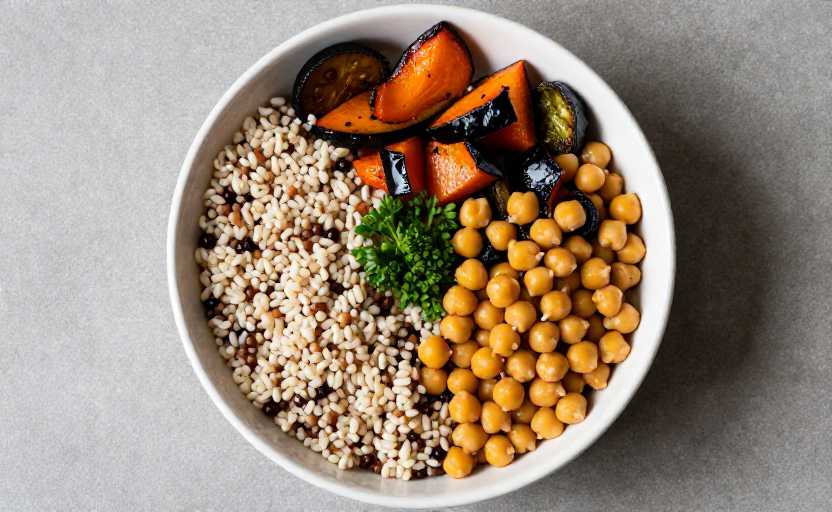
Two years ago, I met 68-year-old Aunt Zhang when I was doing nutrition science for the elderly in the community. She has type 2 diabetes for 12 years. In the past two years, I heard a health regimen saying that she should "control sugar with a complete vegetarian diet." Later, I adjusted the recipe for her, adding 2 taels of lean pork or braised beef every day, half a kiwi fruit between the two meals in the afternoon, and replacing half of the white rice with steamed pumpkin as the staple food. It has been almost a year now, and her fasting blood sugar is stable at around 6. She even won the third prize in the last community building climbing competition.
Nowadays, there is actually quite a quarrel about eating for the elderly. On one side are the "absolutely healthy" people who want to remove all oil, salt and sugar from the elderly's dining table. Cakes, pickles, and braised dishes are not allowed to be touched. On the other side are the "carpe diem people" who say that they have lived for most of their lives and eat whatever they want. Food taboos are simply a curse. In fact, both of these statements are a bit extreme. Don't think this is alarmist. Uncle Li, who I met before, is 72 years old and has high blood pressure. He heard people say that egg yolks raise cholesterol. He hasn't eaten egg yolks for three years. Last winter, his feet were so swollen that he couldn't wear shoes. He went to the hospital to find out that his serum albumin was too low and he couldn't keep up with his nutrition. The doctor said that eating a whole egg a day would have no problem for him. There is also Uncle Wang from the community. He is 75 years old and has gout. After hearing the saying "carpe diem", he eats seafood and drinks cold beer. He was hospitalized for a week due to an acute attack of gout last month. He was sweating from the pain and said he would never dare to eat indiscriminately again.
In fact, there is really no need to make the elderly's recipes as precise as hospital meals. Flexibility is the most important. For example, you don’t need to eat all refined rice and white flour as the staple food, just mix in about 1/3 of miscellaneous grains. If you have good teeth, you can add some oats and quinoa to stew rice. If you have bad teeth, steam sweet potatoes until soft, stew pumpkin into the rice, or cook some millet porridge, which is easy to digest and can supplement dietary fiber. Don’t force the elderly to eat multi-grain rice that they can’t chew for the sake of health, which will hurt the stomach.
Oh, by the way, protein is really the hardest hit area for many elderly people. They always think that eating meat will increase blood lipids. In fact, the elderly lose muscle quickly. If they cannot keep up with protein, they are prone to falls and have low immunity. A cup of warm milk, an egg, and 1-2 taels of lean meat or fish and shrimp every day is completely fine. If you have bad teeth, chop the meat into meatballs, or stew beef brisket for several hours. It will be soft and melt in one sip. There are also soy products such as tofu and tofu brain, which are high in high-quality protein and easy to digest. There is no harm in eating more on a daily basis.
There is no need to pursue "top health-preserving dishes" for vegetables and fruits. As long as they are fresh, eat a pound of vegetables every day and try to cook them. The elderly have weak spleen and stomach, so don't always give them raw salad dishes. When stewing in winter, add some cabbage, radish, and beans to make them warm and comfortable. If you have diabetes, choose fruits with a low glycemic index, such as strawberries, apples, and grapefruits. Eat half of them each time, and eat them between meals. Don’t stuff fruits right after a meal, as blood sugar can easily spike. Elderly people without diabetes should also avoid eating too much at one time. For example, if you eat watermelon in the summer, just eat one or two pieces at a time. Eating too much can easily cause diarrhea.
There is really no need to completely deprive the elderly of their enjoyment of eating. For example, some elderly people have eaten pickles and fermented bean curd all their lives, and eat a chopstick with porridge for breakfast every day. The amount of salt will not cause any problems at all. It is better than if you don't let them eat at all, and the elderly secretly hide it and eat half a bottle at a time. There are also some elderly people who have strong tastes. It is much better to add a little less salt when cooking than to add no salt at all and the elderly people cannot eat. After all, eating enough food is the first priority.
There are also many children who always buy various nutritional supplements for the elderly, such as protein powder, deep-sea fish oil, and calcium tablets. In fact, if the elderly can eat enough in their daily meals, there is no need to supplement them randomly. If you really want to take supplements, you must ask a doctor first. Otherwise, taking too much supplements will increase the burden on the kidneys, which is not worth the gain.
My own grandma is 86 this year. She has high blood pressure and some arthritis. Now she drinks a bowl of soy milk and eats a steamed bun every morning. She eats one or two rice, half a fish and a plate of fried vegetables at noon. In the evening, she occasionally eats half a piece of the cream cake I bought. Now she is very healthy and can grow vegetables on the balcony. There is no 100% perfect healthy diet for the elderly. If you eat happily and comfortably, and your physical examination indicators are stable every time, then it is the most suitable for you.
Disclaimer:
1. This article is sourced from the Internet. All content represents the author's personal views only and does not reflect the stance of this website. The author shall be solely responsible for the content.
2. Part of the content on this website is compiled from the Internet. This website shall not be liable for any civil disputes, administrative penalties, or other losses arising from improper reprinting or citation.
3. If there is any infringing content or inappropriate material, please contact us to remove it immediately. Contact us at:
