
High blood pressure and high blood sugar dietary taboos
The core dietary taboos for people with high blood pressure and high blood sugar can be explained in one sentence - strictly limit foods with high sodium, high glycemic index, and high saturated trans fat, and try to avoid processed foods with added alcohol, free sugars, and artificial sweeteners. As long as the total intake of other ingredients is controlled, there are basically no "contrabands" that must not be touched.
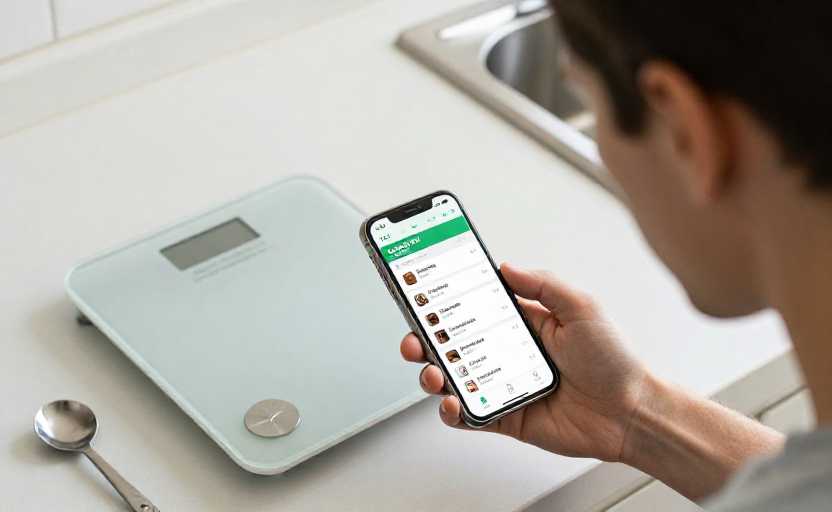
This was said by the deputy chief physician when I accompanied my aunt who has been suffering from high school for 5 years to the clinical nutrition department for a follow-up visit. At that time, the aunt took out her mobile phone and looked up the "fasting list" saved online. She couldn't eat sweet potatoes, couldn't touch a bite of pickles, and couldn't eat more than half a bowl of rice. The doctor laughed and said that many popular sciences took the taboos to the extreme. If you eat according to that, you will become malnourished before your blood sugar and blood pressure stabilize.
Don't tell me, I actually met an old patient before. He used a salt-limited spoon to add 2 grams of salt when cooking vegetables every day. As a result, his blood pressure was stuck at 150/90 for a week and could not come down. After asking around carefully, I found out that he was eating salt every morning. The small dish of pickles that I ate with the porridge, and the two handfuls of plums that I ate in the afternoon, are both invisible sodium hogs - the sodium content of every 100 grams of plums is almost 2,000 mg, which is almost equal to 5 grams of salt. Unknowingly, it exceeds the upper limit of daily intake. There are actually different opinions on sodium intake standards. Mainstream guidelines recommend that patients with hypertension control their daily sodium intake within 2 grams (approximately 5 grams of table salt). However, there are also niche nutritional studies that suggest that if you are a patient who often does physical work and sweats a lot every day, you can relax it to 3 grams. There is no need to limit the sodium intake. Instead, it will easily lead to hyponatremia, which will make dizziness and fatigue more troublesome. By the way, a reminder, many people now use low-sodium salt to control sodium at home, but don’t use it blindly if you have renal insufficiency. High-potassium and low-sodium salt can easily cause blood potassium to rise, and the risk is greater than ordinary salt.
After talking about the pitfalls of sodium, let’s talk about the sugar issue where people are most likely to go to extremes. I once met an uncle who was newly diagnosed with diabetes. He hadn't touched anything sweet for three months. He even dared to eat only half a bowl of white rice. As a result, his blood sugar didn't drop much when he was rechecked. He also had oral ulcers that left half of his mouth rotten due to vitamin deficiency. Many people say that people with diabetes must not drink porridge or eat fruits. This is not true. An aunt I know who has been suffering from diabetes for 10 years drinks half a bowl of mixed bean oatmeal porridge with an egg and a small dish of cold spinach every morning. The blood sugar rise after the meal is lower than that of eating a bowl of white rice. In fact, what you really need to be wary of is foods made from refined carbohydrates: white porridge, white steamed buns, cream cakes, sugary drinks and other foods with a glycemic index of over 70. When you eat them, your blood sugar will rise instantly, which puts a heavy burden on your blood vessels and pancreatic islets. There are also different views on the taboos of glycemic foods. Traditional dietary recommendations require that foods with a GI higher than 70 be completely banned. However, in recent years, more and more clinical studies have found that as long as sufficient protein and dietary fiber are combined, even if you eat a small piece of watermelon with a high GI, or eat one or two bites of a child's leftover cream cake, as long as the total carbohydrate intake of the day is controlled, the blood sugar will not rise too much. There are even artificial sweeteners that have been controversial for many years. They were previously said to be the savior of diabetics. In the past two years, studies have shown that long-term consumption will disrupt the intestinal flora and increase the risk of diabetes. The current mainstream advice is to use them as little as possible. Don't think that sugar-free cola and sugar-free cookies can be made casually.
As for the taboo on fat, it is not as exaggerated as everyone thinks. Not all meat cannot be eaten. What you really need to avoid are the fatty pork belly, the red oil hot pot of butter hot pot, as well as the shortening bread and margarine-decorated cakes sold in supermarkets. Eating too much saturated fat and trans fat in these will not only increase blood lipids, but also reduce insulin sensitivity, making blood sugar more difficult to control, and aggravating vascular sclerosis, which is especially unfriendly to patients with hypertension. Of course, there are different opinions. For example, supporters of the ketogenic diet believe that people with diabetes can eat more saturated fat to reduce carbohydrate intake and have better sugar control effects. However, mainstream guidelines still recommend that for patients with hypertension, the energy supply ratio of saturated fat should not exceed 10%. After all, the cardiovascular risk is higher than that of ordinary people, so it is safer to be cautious.
After all, dietary taboos are never a cold list of forbidden foods, and there is no need to check what can be eaten one by one based on online tables. Most of the well-controlled patients I have met are not too tight. If they want to eat a sweet mooncake during the holidays, they will eat less than half a bowl of the staple food of the day and walk 20 minutes more after meals, and there will be no major blood sugar problems. If you are really not sure whether you can eat something, testing your blood sugar before eating and again two hours after eating is much more reliable than reading 10 sensational taboo posts.
Disclaimer:
1. This article is sourced from the Internet. All content represents the author's personal views only and does not reflect the stance of this website. The author shall be solely responsible for the content.
2. Part of the content on this website is compiled from the Internet. This website shall not be liable for any civil disputes, administrative penalties, or other losses arising from improper reprinting or citation.
3. If there is any infringing content or inappropriate material, please contact us to remove it immediately. Contact us at:
