
Diet taboos during lactation
Any food/drink containing alcohol, raw meat, eggs, and dairy products that have not been sterilized, caffeine intake exceeding 200mg in a single day, and all other "can't eats" reported online can be flexibly adjusted based on your own and your baby's reactions, and there is no need to impose hard standards.
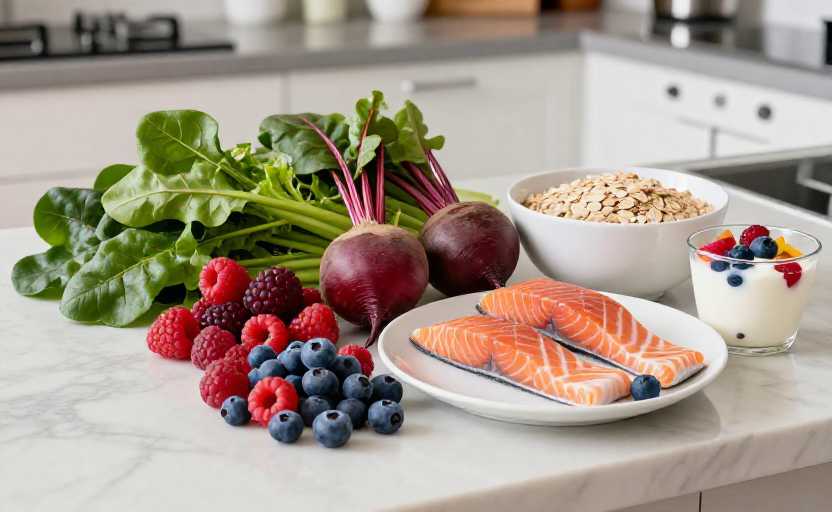
Let’s first talk about why we should avoid these three categories that should never be touched. Don’t think it’s alarmist. Alcohol, whether it is fermented glutinous rice, rice wine, braised vegetables with a lot of cooking wine, or a sip of fruit wine, as long as it contains alcohol, it will enter the breast milk without any obstacles. The medical community has not yet confirmed the safe intake of alcohol during lactation. Even just a little bit may affect the baby's neurological development. There is really no need to take this risk. Don't believe the old saying that "fermented fermented glutinous rice can lead to milk".
As for unsterilized raw food, the main fear is Listeria and Salmonella infection, such as unsterilized fresh cow and goat milk squeezed on the street, half-cooked soft-boiled eggs, sashimi, drunken shrimp and drunken crab, and refrigerated cut fruits that have been left out for a long time. If you really get diarrhea Even if you are not feeling well if you have a child or a fever, germs may also affect your baby through breast milk in severe cases. If you are really hungry for sashimi, choose the ultra-low-temperature frozen and insecticide-free version from a regular Japanese food store. Trying one or two slices occasionally is not a big problem, but mothers with weak stomachs should not join in the fun.
The limit of caffeine is actually not that strict. 200mg in a single day is about the amount of a medium American cup. If you drink it and your baby doesn’t become extremely excited and stay up until midnight, it’s absolutely fine to drink a cup of milk tea or coffee every day. There are many working mothers around me who rely on a sip of coffee in the afternoon, but the baby still grows fat and white. If your baby really panics after drinking it, you can switch to low caffeine or simply hold back, no need to force it.
After talking about the three categories that must be put on the brakes, someone must ask, are the leeks, malt, iced milk tea, and spicy hot pot that are so popular on the Internet safe?
In fact, this area has always been controversial. According to traditional Chinese medicine and parenting experience, it is believed that cold, spicy, and "milk-returning" foods should be avoided as much as possible, otherwise it will cause diarrhea, red buttocks, and decreased milk production in the baby. Many older generations even include common vegetables such as eggplant and beans in their taboo list. However, the view of modern evidence-based medicine is that after gastrointestinal digestion and metabolism, very few ingredients enter the milk. As long as you are not allergic to the food and do not have stomach pain or diarrhea after eating it, you can eat it.
When I accompanied a friend to have a lactation treatment, the prolactinist also said a very practical point of view: the effects of these so-called "lactation-replenishing foods" vary from person to person. She has seen mothers with a lot of milk drink malt water for three days in a row, and the amount of milk is not reduced at all. She has also seen mothers with just enough milk who eat a meal of leek dumplings and have blocked milk the next day. There is no unified standard.
I was craving crayfish when I was breastfeeding, so I asked an obstetrician I knew well, who said that as long as I wasn’t allergic to shrimp before and it was cooked thoroughly, it would be fine. I ate three pounds of thirteen-flavored crayfish that night, and the baby had no reaction at all. However, another mother in the same delivery room took a bite of iced watermelon, and her baby had green stools for three days. She stopped for more than two months and tried again, and the baby was fine.
To put it bluntly, the standard for judging whether something can be eaten is very simple: you first eat two bites, and then observe it for 24-48 hours. If the baby does not have aggravation of eczema, abnormal crying, diarrhea, or constipation, feel free to eat it. If there is a reaction, stop for two or three months and try again. The child's gastrointestinal tolerance is also slowly increasing, and maybe he will adapt to it after a while.
Don’t be bound by the various taboo lists on the Internet. The core factors that affect milk production are your baby’s sucking frequency, your protein and water intake, and your mood. If you worry about what you can’t eat and what you can’t eat every day, and your emotions are tight, your milk supply will really drop.
In fact, mothers have to be locked in a prison of eating during lactation. It is essentially a process of exploration for you and your baby together. You don’t have to worry about a few bites for a long time. You can eat happily and the quality of your milk will be better, really.
Disclaimer:
1. This article is sourced from the Internet. All content represents the author's personal views only and does not reflect the stance of this website. The author shall be solely responsible for the content.
2. Part of the content on this website is compiled from the Internet. This website shall not be liable for any civil disputes, administrative penalties, or other losses arising from improper reprinting or citation.
3. If there is any infringing content or inappropriate material, please contact us to remove it immediately. Contact us at: