
Diet taboos for children
Children under 1 year old must not touch honey, any food containing alcohol, whole nuts/jelly and other high-risk foods that are easy to choke.; The rest of the so-called "can't eat" mostly depends on age, physical fitness and consumption. There is no one-size-fits-all standard answer.
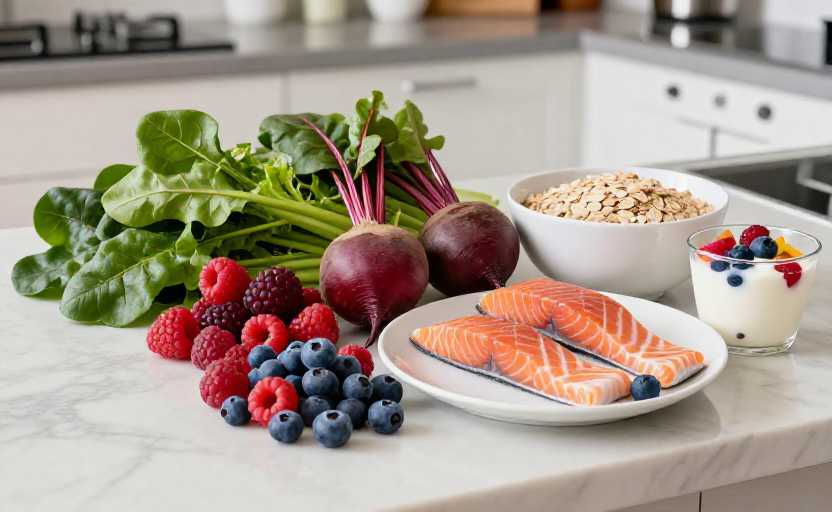
I have been working in the pediatric clinic for almost 6 years and have seen all kinds of outrageous feeding accidents. Let me first talk about these three red lines that should not be touched. Last year, I had a 10-month-old baby. My grandma listened to a folk prescription saying that honey mixed with pear water could cure cough, so she secretly fed her a few mouthfuls. As a result, the baby had botulism and was hospitalized in the ICU for a week. The intestinal flora of a baby under 1 year old has not yet been fully established. The botulinum spores contained in honey will multiply and produce toxins in the intestines. In severe cases, it can lead to death. This is really not an alarmist statement.
Just like honey, everything that contains alcohol must be blackened. Don’t think that “it’s okay to take a sip” or “it’s not alcohol if it’s low in alcohol.” During last year’s Chinese New Year, our department admitted a 2-year-old baby. Relatives teased him and fed him less than half a cup of low-alcohol fruit wine. He suffered acute liver damage. He was hospitalized for half a month before he was discharged. The baby suffered from old age. Children's liver metabolism is only a fraction of that of adults. Even a small amount of alcohol may cause liver damage, nerve damage, and in severe cases, affect intelligence. Do not touch any rice wine, fruit wine, or non-alcoholic wine, as long as it contains alcohol.
As for food that is easy to choke, it is a cliché but accidents happen every year. Last month, a 3-year-old boy was admitted to the emergency department. He ate a whole peanut and ran around playing with it. For example, whole nuts, jelly, whole grapes, cherries with pits, and the kind of pop-up beads and pearls that are popular on the Internet. It is best not to give them directly to children under 3 years old. Crush them if you want to eat them. Don't let your children run or cry when eating. Keep an eye on them. If something goes wrong, you won't even have a chance to regret it.
After talking about the red lines that must be adhered to, the remaining so-called "taboos" are actually not that absolute. I have seen too many parents go too far. The child is 4 years old and has never eaten a mouthful of salted rice. The last time he came for a physical examination, the child staggered when walking, and the blood sodium test was much lower than the normal value. When I asked, I found out that the parents believed the rumor that "children cannot eat salt until they are 12 years old." It was really dumbfounding. In fact, regarding salt consumption, the guidelines from the Nutrition Society of Western Medicine are that no additional salt is required within 1 year of age, and no more than 2g of salt should be added per day between 1 and 3 years old, which is about 1/5 of a beer cap. There is no need to talk about salt discoloration. But if you ask a TCM pediatrician, they might add that if the baby usually suffers from sweating and cold hands and feet, then you can add a little more salt to replenish the heart. This is the difference between different schools. No one is right or wrong. It just needs to be combined with the baby's situation.
For another example, many people say that "children cannot eat seafood." In fact, as long as the baby is not allergic to fish and shrimp, he can eat crushed shrimp paste and fish paste when adding complementary food at 8 months, and can also supplement DHA, which is much more reliable than taking those supplements. However, if the child is prone to eczema, has a weak spleen and stomach, and has diarrhea when eating cold food, then Chinese medicine generally recommends eating less cold seafood such as crabs and oysters before the age of 3 to avoid damaging the spleen and stomach. There is also the most bizarre rumor that "children should not eat ice". My baby has a stomach problem since he was a child. Last summer, he ate half a piece of watermelon just taken out of the refrigerator and had diarrhea for three days. My sister's baby has been drinking ice milk since he was a child. Now he is 5 years old and is as strong as a calf. There is nothing wrong with him. The point of view of Western medicine is that as long as the baby's gastrointestinal tolerance is tolerated, ice is completely fine and will not hurt the stomach. Ice will have already risen to 37 degrees in the stomach. ; However, Chinese medicine does believe that raw and cold food will deplete the yang energy of the spleen and stomach. It is best to avoid eating it with babies who are prone to diarrhea and have a sallow complexion. Both opinions are reasonable. Just follow the constitution of your baby. There is no need to argue about right or wrong.
There are also those who say that children cannot eat condiments, sweets, and snacks. In fact, these are too extreme. After 1 year old, using a small amount of light soy sauce and oyster sauce to enhance the flavor is better than giving the baby boiled vegetables every day, and in the end the baby will hide when he sees the rice. It’s not a big deal to eat a small biscuit or drink yogurt with sugar occasionally. Just control the amount. You can’t let your child grow up and be unable to walk when he sees others eating sweets. Instead, he will be prone to overeating.
I have worked in pediatrics for so many years, and my deepest feeling is that there is really no standard answer to raising a baby. Don’t be bound by the various “taboo lists” on the Internet. Don’t touch the three core red lines. For the rest, observe the baby’s reaction. If you don’t have allergies, diarrhea, or discomfort after eating anything, then you can eat it. After all, every baby's physique is unique. If you raise it too carefully, it may cause problems. Being more relaxed will be better for the baby.
Disclaimer:
1. This article is sourced from the Internet. All content represents the author's personal views only and does not reflect the stance of this website. The author shall be solely responsible for the content.
2. Part of the content on this website is compiled from the Internet. This website shall not be liable for any civil disputes, administrative penalties, or other losses arising from improper reprinting or citation.
3. If there is any infringing content or inappropriate material, please contact us to remove it immediately. Contact us at:
