
Rheumatoid dietary taboos for women
Processed foods containing a lot of added sugar/sodium, alcohol, a lot of grapefruit/grapefruit, and high-purine foods when combined with high uric acid. Whether other foods need to be avoided depends entirely on personal tolerance. There is no one-size-fits-all avoidance list across the Internet.
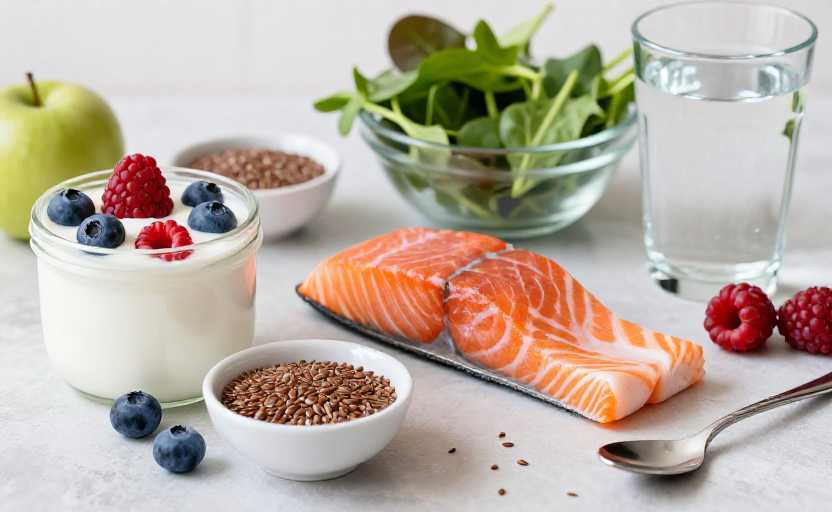
Not long ago, I met a 28-year-old girl in the clinic who was diagnosed with rheumatoid arthritis for 3 months. She watched a short video and saw that rheumatoid arthritis requires avoiding all seafood, beef, mutton, and even eggs and milk. She only dared to eat vegetables and lean pork for three months. When she came for a review, her hemoglobin was only 90g.
In fact, she is not the only one. The first reaction of many patients when they were first diagnosed was to ask me, "doctor, can I eat nothing?" There are too many different opinions on the taboos of rheumatoid arthritis, and the controversy is not small. For example, the debate about red meat and seafood has been going on for many years in the Department of Rheumatology and Immunology. In the early years, it was believed that the saturated fat in red meat and the arachidonic acid in seafood would promote the release of inflammatory factors, and patients were advised to avoid them altogether. However, in the past two years, more and more clinical data have overturned this conclusion: a cohort study of 1,200 rheumatoid patients was published in Arthritis and Rheumatism in 2023. Research shows that as long as you do not eat more than 100g of processed red meat (such as bacon, sausages, cured meats) every day, fresh lean beef and lamb have minimal impact on inflammatory indicators such as erythrocyte sedimentation rate and C-reactive protein. On the contrary, because the incidence of iron deficiency anemia in female rheumatoid patients is 3.2 times that of healthy women, completely quitting red meat will aggravate anemia and lower immunity, which is not conducive to disease control. The same goes for seafood. As long as your uric acid is normal and you don’t experience uncomfortable reactions such as joint pain or rash after eating it, eating steamed fish and shrimp two or three times a week and supplementing with high-quality protein is much better than eating vegetables every day. I used to have an aunt who has been suffering from rheumatoid arthritis for 10 years. She ate steamed seabass once a week and her condition was better controlled than many people who avoid eating it every day.
Of course, you can’t just eat everything. There are a few things that you really want to touch as little as possible, which is not controversial. In particular, many little girls love to stock up on pearl milk tea, candied fruits, pickled peppers, chicken feet, and prepared dishes. I have an old patient whose condition is very stable and his C-reactive protein is within the normal range all year round. Last month, he went to Chongqing during his annual vacation. He drank one cup of iced milk tea a day for three days and ate a lot of braised food. After I came back, my fingers were so swollen that I couldn't hold a toothbrush, and my C-reactive protein increased fourfold. This is because the added sugar and high salt in these processed foods will directly promote the release of inflammatory factors such as TNF-α and interleukin-6, which is equivalent to directly "igniting" your joints. You really need to eat less.
Also, patients who are taking commonly used drugs such as methotrexate and leflunomide should try not to eat large amounts of grapefruit and grapefruit. This will definitely affect liver metabolic enzymes, increase the blood concentration of the drug, and increase the risk of side effects. Not to mention alcohol, whether it is red wine, white wine or fruit wine, you must avoid drinking at all. Anti-rheumatic drugs have a certain burden on the liver. Drinking alcohol is a double blow to the liver, and can even induce liver damage in severe cases. It is really not worth destroying the body just for a sip of wine dregs.
As for the "fat foods" that the older generation often talks about, such as leeks, bamboo shoots, roosters, carp, etc., about 20% of the patients I followed up said that they would experience worsening joint pain after eating them, but the remaining 80% had no reaction at all. There is really no need to follow this. If you have food taboos, just prepare a small notebook to keep a food diary. If your joints feel uncomfortable within 24 hours after eating something, avoid it next time. If there is no reaction, eat what you should. If you are sick, you have to take medicine all year round. It is already restrictive. If you can't eat this or that, your quality of life will be too low.
By the way, there is another pitfall that many people have stepped on. It is said that people with rheumatoid arthritis should drink more bone broth to supplement calcium. Don’t believe it. I have seen people drinking bone broth every day. After three months of drinking, uric acid increased by more than 100. The calcium was not supplemented, but the weight increased by ten pounds. Gaining weight puts more pressure on the knee and ankle joints, which will increase joint wear. To supplement calcium, drink pure milk, eat dark green vegetables, and take some calcium and vitamin D when necessary. It is more effective than any bone soup.
In fact, after looking at it for so many years, I feel that the rheumatoid diet has never been a long blacklist for you to cross one by one. The core is to find your own body's "sensitive switch", ensure a balanced intake of meat, eggs, milk, vegetables and fruits, and avoid a few things that are definitely harmful. You really don't need to be too harsh on yourself for the rest. After all, a good mood is much more helpful for the disease than strict dietary restrictions.
Disclaimer:
1. This article is sourced from the Internet. All content represents the author's personal views only and does not reflect the stance of this website. The author shall be solely responsible for the content.
2. Part of the content on this website is compiled from the Internet. This website shall not be liable for any civil disputes, administrative penalties, or other losses arising from improper reprinting or citation.
3. If there is any infringing content or inappropriate material, please contact us to remove it immediately. Contact us at: