
Precautions and dietary taboos during pregnancy
There are not so many rules and precepts that must be adhered to during pregnancy. The core principles are just two sentences - avoid strong stimulation in life, follow the doctor's instructions and do not act blindly, and make flexible adjustments according to your own physical condition.; Only foods that are clearly toxic and harmful are absolute taboos. The rest of the so-called "taboos" all depend on the individual's physical constitution. There is no unified list that suits everyone.
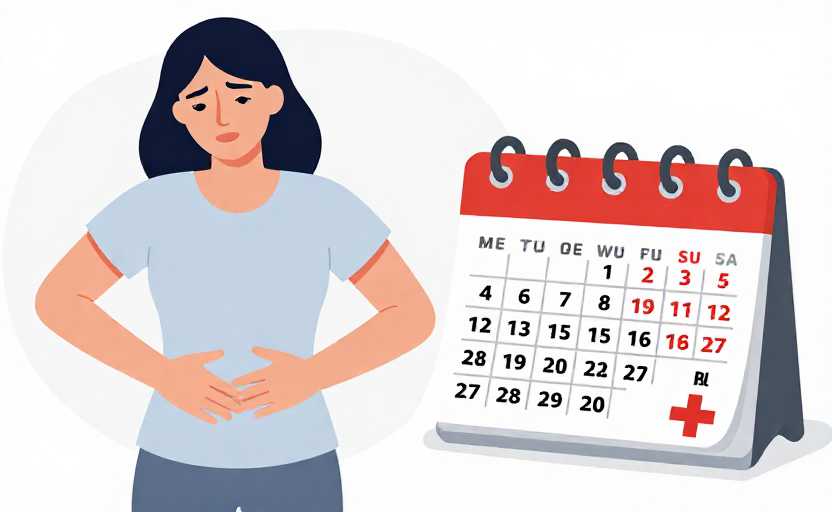
Damn, I heard my cousin complain a while ago. When she was just two months pregnant, her mother-in-law wouldn't even let her open the refrigerator, saying it contained radiation, and the ice was so cold that she wouldn't be allowed to touch it. In the end, she had severe morning sickness and couldn't eat anything, so she relied on orange smoothies to stay alive. She ate them secretly for almost half a month. When she went for a prenatal check-up, all indicators were very good, and the old lady finally relaxed. In fact, many of the so-called "taboos" are the experiences passed down by the older generation. Now there are more scientific explanations, so there is no need to accept them all.
To be honest, the easiest pitfall in life is "excessive rest". Many people just lie down and go to work as soon as they get two marks on the test. In fact, unless you have problems such as threatened miscarriage or cervical insufficiency, and the doctor clearly requires you to stay in bed to protect your pregnancy, it is perfectly fine for ordinary pregnant women to take three to four thousand steps a day, do pregnancy yoga, and swim. Of course, there are different opinions here. Elderly people at home always think that "exerting too much will cause fetal gas". In fact, it has long been clinically proven that moderate exercise can control weight, relieve constipation, and is also helpful for normal childbirth. There is really no need to stay at home every day.
Speaking of the pregnancy taboos of the older generation, the most common one is the requirement for radiation protection. Many people wear radiation protection clothing on their bodies when they are pregnant, and do not dare to use Wi-Fi on their mobile phones. To be honest, the mobile phones, computers, wifi, and microwave ovens that we come into contact with daily are all non-ionizing radiation with extremely low energy and cannot reach the teratogenic dose. Wearing radiation-proof clothing is more of a psychological comfort. If wearing it can make the elderly at home feel at ease, then it doesn’t matter. There is really no need to quarrel with your family over this.
What needs more attention than these details of life is actually the issue of medication. This really cannot be done blindly. I had a friend who was 6 months pregnant and had a fever of 39 degrees Celsius. She endured it for three days without taking any medicine. Eventually she developed pneumonia and was hospitalized. Instead, she took more medicine. It is now clear that medications cannot be taken during pregnancy. For example, acetaminophen is recognized as a safe antipyretic drug during pregnancy. Pregnant women with high blood pressure and high blood sugar should also take sugar-control and antihypertensive drugs as directed by their doctor. The risk of overcoming the disease is much greater than the drug itself. Of course, don’t buy cold medicines by yourself. Many compound cold medicines contain ingredients such as ephedrine and pseudoephedrine, which are not suitable for pregnant women. No matter what the problem is, you should consult your obstetrician before taking medicine. Don’t be lazy when it comes to prenatal check-ups. Don’t go because you don’t feel uncomfortable. The key check-ups such as NT, Tang screening, major ovarian abnormalities, and glucose tolerance must be done on time. If you encounter a critical risk situation like Tang screening, don’t panic. Some doctors will recommend doing non-invasive DNA, which is highly accurate and risk-free. Some doctors will recommend doing amniocentesis as the gold standard for diagnosis but with a very low probability of miscarriage. Both options are reasonable. You can choose according to your own needs. You don’t need to listen to what others say.
Compared with these things to pay attention to in life, the issue that people ask the most is about food. First of all, let’s draw the hard red line. These are the things you really shouldn’t touch regardless of your body type: First, any food containing alcohol, including fermented wine and wine-filled chocolate. Alcohol is a clear teratogen. There is no so-called “safe intake”. It’s best not to touch even one bite. ; The second is raw or undercooked meat, eggs, seafood, sashimi, soft-boiled eggs, medium-rare steaks, drunken shrimps and drunken crabs, etc., which are susceptible to Listeria monocytogenes and Toxoplasma gondii, and in severe cases can lead to miscarriage and fetal malformations. ; The third is unpasteurized raw milk and moldy food. These are also clear high risks. Don’t risk yourself and your children.
As for the most commonly circulated questions, "Can't eat crabs, watermelons, hawthorns, and peppers," there really is no unified answer. The view of Western medicine is that as long as you are not allergic to these foods, do not have diarrhea or stomachache after eating them, it is absolutely fine to eat them in moderation. Crab has a high protein content, and eating iced watermelon in summer can relieve morning sickness. However, the view of traditional Chinese medicine is that these cold, blood-activating foods may indeed increase the risk of bleeding and miscarriage if eaten by pregnant women with weak spleen and stomach and a history of threatened abortion. There are two extreme examples around me. One friend ate popsicles and crabs every day when she was pregnant. The child was born healthy and weighed 8 pounds. The other friend had a cold constitution. She bleeds after eating two hawthorn slices to prevent miscarriage. So there is really no need to insist on it. If you normally eat it, just eat less to satisfy your craving. If you feel uncomfortable, don't touch it. No one will say you are wrong.
There is also the much-discussed question of whether you can drink coffee. The American College of Obstetricians and Gynecologists has long made it clear that caffeine intake during pregnancy should not exceed 200mg per day, which is about the amount of a medium-sized American cup. It is completely safe. If you don’t have the habit of drinking coffee, of course it’s best. If you used to drink coffee every day, but suddenly quit and you feel depressed and anxious, then it’s absolutely fine to drink a small cup every day. Of course, if you drink it and you feel flustered and insomnia, then definitely stop drinking it, and you’ll feel better as long as you feel comfortable.
To be honest, I have met so many pregnant women. In fact, what affects the fetus most is excessive anxiety. Today I am worried that something will happen if I eat a bite of crab, and tomorrow I worry that something will happen if I play with my mobile phone for an hour. Being nervous every day is not good for the child. As long as you stick to those clear hard red lines, do whatever is comfortable for you. Only when you are happy will the baby in your belly be happy.
Disclaimer:
1. This article is sourced from the Internet. All content represents the author's personal views only and does not reflect the stance of this website. The author shall be solely responsible for the content.
2. Part of the content on this website is compiled from the Internet. This website shall not be liable for any civil disputes, administrative penalties, or other losses arising from improper reprinting or citation.
3. If there is any infringing content or inappropriate material, please contact us to remove it immediately. Contact us at: