
The relationship between parenting and children’s health
Parenting style is the core acquired variable that determines the physical and mental health of children aged 0-12. Its influence far exceeds external factors such as genetic susceptibility and the supply of basic medical resources, and this influence will extend to multiple dimensions such as the risk of chronic diseases and the level of psychological resilience in adulthood. **
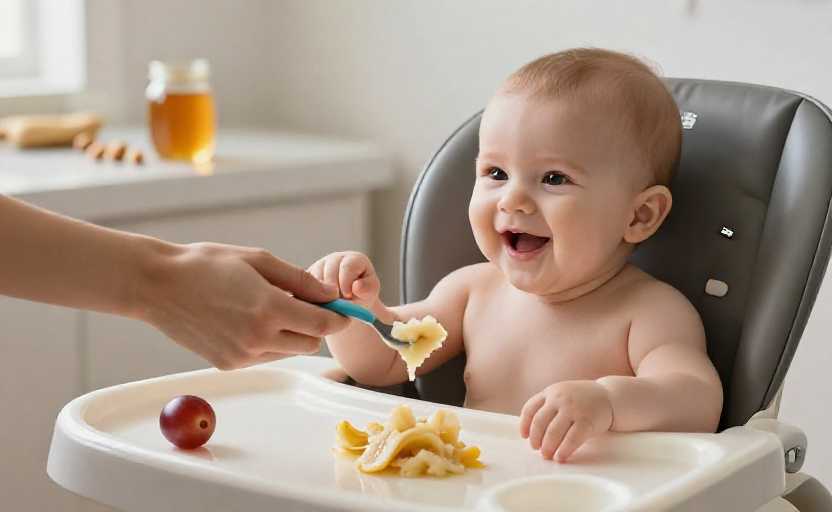
I have been working in the child health department for 8 years, and I have seen too many children with almost identical congenital conditions, but their health status can be completely different just because of a few differences in the way they were raised. Let’s take the two 3-year-old boys we received last week. Both of their parents have the genetic constitution of allergic rhinitis. The difference in birth weight and length is only 20 grams and 0.3 centimeters. One is a grandma who is the main caregiver, chasing behind the buttocks to feed food, and always wears two more clothes than adults for fear of catching cold. When I go out and touch a public handrail, I immediately wipe it with disinfectant wipes three times. Now my child is not only 2 centimeters shorter than the median for his age, but also catchs a cold at least once a month. He hides behind adults when meeting strangers. It is estimated that his motor and social skills are lagging behind. ; The other mother is a full-time caregiver. She usually crawls all over the living room with her baby. During the supplementary feeding stage, she lets her grab and eat by herself and doesn't care about the food she's spilling all over the floor. She dares to try all kinds of food except for mangoes and peanuts, which she is clearly allergic to. She often takes her to country parks to walk in the mud on weekends. Now she catches two colds at most a year. When she meets the nurse in our department, she even takes the initiative to share the cookies in her pocket.
Interestingly, academic circles and parenting circles have been arguing about how parenting affects children's health for almost ten years without reaching a unified conclusion. The two mainstream schools even have completely opposite views.
One group believes in "standardized parenting" and advocates that all parenting actions should be based on authoritative guidelines. The amount of milk should be accurate to within 10 milliliters. Complementary food should be added according to a strict weekly schedule. All items that children come into contact with should be regularly disinfected. Try to avoid going to places with dense crowds and dirty environments. The data supporting this school are indeed solid. WHO's early cohort studies have confirmed that strict avoidance of known allergens and good diet and hygiene control within one year of age can reduce the incidence of eczema and severe food allergies in infants and young children by more than 40%. Many parents of children with allergies have indeed avoided many detours by relying on this method.
The other school is the "natural parenting" school that has become increasingly popular in recent years. It believes that excessive refinement will destroy the normal establishment of children's immunity. It advocates allowing children to have more exposure to normal flora in the natural environment, without deliberately disinfecting daily necessities, and to try to adapt to the child's own rhythm of eating and resting, without being too stuck. A study published last year in The Lancet Child and Adolescent Health that tracked 12,000 children can also give them a leg up: children who were often exposed to natural soil and kept pets at home before the age of 1 were 32% less likely to suffer from asthma and allergic rhinitis between the ages of 6 and 12 than children who were exposed to sterile clean environments for a long time.
Two years ago, I encountered a mother who repeatedly jumped between the two schools. Before the child was six months old, she strictly followed the detailed guidelines and even cooked the toys every day. As a result, the child still suffered from eczema repeatedly. Later, after learning about the popular science of natural parenting, she took the child to the park to step in a mud puddle for half an hour on the weekend. That night, she had diarrhea and a fever. She came to the clinic crying and asked me which one was right. In fact, is there any absolutely correct answer? As a child with severe allergies, it is right to conduct detailed control in the early stage. If the child has a good foundation and no history of allergies at home, it is not necessary to disinfect everything every day.
What many people tend to overlook is that the impact of parenting on health is never limited to the physical level, and the linkage effect of psychological state is underestimated by most people. Last month, a second-grade primary school child came to see a doctor. He complained that he often had headaches and stomachaches. He went to several departments for examinations and no organic problems were found. After talking for a long time, he found out that his parents had forced him to study three Olympiad math questions in the past six months. He was not allowed to go out to play if he failed to score 95 points. The child was so stressed that he had insomnia every day. The pain was all somatic symptoms caused by emotions. Later, I made a request to the parents to take their children out to play ball at least twice a week, and not to scold their children for their grades. Less than two months later, Bao’s mother sent me a special message saying that all the problems with her children were gone and her food was delicious.
After so many years of child care, my biggest feeling is that the relationship between parenting and health is never a formula. The more you treat your baby as a product card standard on the assembly line, the more likely it is that problems will arise. The academic world has not yet come up with a perfect parenting template. After all, each child’s natural temperament is different, and the family environment is also very different. There is only one thing in common: parents’ anxiety will be transmitted to their children. When you raise them, relax and don’t worry about the height and weight scores every day. Your child’s physical and mental state will surprise you. After all, health is never a cold number. It is a living state in which a child can run, jump, cry and laugh.
Disclaimer:
1. This article is sourced from the Internet. All content represents the author's personal views only and does not reflect the stance of this website. The author shall be solely responsible for the content.
2. Part of the content on this website is compiled from the Internet. This website shall not be liable for any civil disputes, administrative penalties, or other losses arising from improper reprinting or citation.
3. If there is any infringing content or inappropriate material, please contact us to remove it immediately. Contact us at:
