
Christian dietary taboos
There are no uniformly applicable dietary taboos for Christians. The specific requirements are completely dependent on the teachings of the sect to which they belong and the standards of individual faith practice, which vary greatly.
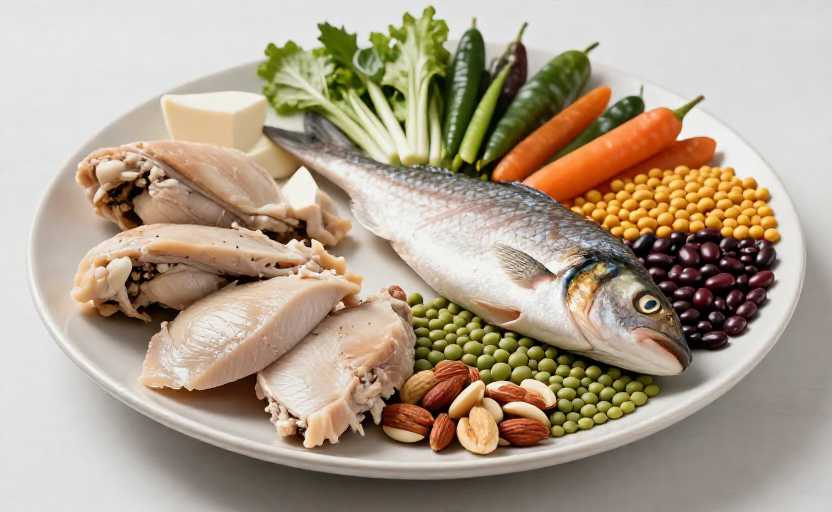
Many people’s first impression of the Christian diet is “don’t eat pork.” In fact, this only applies to a small group of people. Tracing back to the source, the Book of Leviticus in the Old Testament of the Bible does contain detailed cleansing regulations: no animals such as pigs, rabbits, camels, etc. that do not have divided hooves or cud chewing, aquatic products without scales and fins (such as squid, eels, shellfish), as well as various reptiles and blood. Those who still strictly abide by these regulations are mostly Jewish Christians (also called Messianic Jews) and Seventh-day Adventists. I attended a Seventh-day Adventist church fellowship dinner in Beijing a few years ago, and received a notice half a month in advance not to bring pork or scale-free aquatic products. On that day, a sister who was here for the first time brought two boxes of soy squid. After knowing the rules, she quietly stuffed them back into her bag and said she would make them a supper when she went home later. No one felt offended by her. Instead, they laughed and said that next time, just bring soy beef. It has cud chewing and split hooves, which is absolutely in compliance with the rules.
But for the vast majority of mainline Protestants, these Old Testament dietary rules have long ceased to be binding. According to Peter’s vision from the Acts of the Apostles in the New Testament: God dropped a piece of cloth with various unclean animals inside, and said to Peter, “What God has cleansed, you must not call it common.” The apostle Paul also clearly mentioned in his letter, “You can eat anything sold in the market,” as long as you receive it with a grateful heart. Many house churches in my hometown in Wenzhou have year-end dinners. Sauced elbows, braised duck heads, and grilled oysters are all on the table. Before the meal, everyone stands and prays together to say thank you for the meal. They sit down to eat how they want. No one will worry about whether the ingredients comply with the rules of the Old Testament. Of course, there is also a consensus boundary here: if you clearly know that a certain food has been sacrificed to other religious idols, try not to eat it, so as not to burden other brothers and sisters with weak faith. Previously, a young sister who had just become a Christian brought temple offerings from relatives to the fellowship and distributed them to everyone. No one present said anything. They just quietly told her afterwards that she didn’t need to bring such things next time, so that no one would be upset.
If the scope is expanded to include different denominations, the differences become even more interesting. Catholic tradition requires believers to observe "small fast" and "big fast": they must fast from the meat of warm-blooded animals every Friday to commemorate the crucifixion of Jesus on Friday. They can eat fish, shrimp and vegetarian dishes. ; Fasting is observed on Ash Wednesday and Good Friday every year. You can only eat one main meal a day, two small snacks, and no snacks. An old Catholic aunt I met in Shanghai had observed the fast for decades. Even if the whole family went out to eat hot pot on Fridays, she would only order vegetables and fish fillets in a clear soup pot. But her son did not observe the fast at all. He continued to nibble on the beef patties in the hamburger on Fridays, saying, "I just remember the Lord's suffering in my heart, and there is no need to get stuck on what to eat." The two generations have not had any conflicts because of this. The Lent rules of the Orthodox Church are more complicated. You must fast for almost half of the year, abstaining from meat, eggs, and dairy products. During some Lent periods, you cannot even eat olive oil or drink alcohol. However, these rules are stricter for monks and nuns. If ordinary believers are in poor health or need to work, they can relax just by saying hello to the priest. No one will find fault with your diet.
I attended an interdenominational retreat last year, and the co-workers in charge of cooking were all older: the brothers and sisters from the Seventh-day Church did not eat pork and fish without scales, a few elderly Catholics happened to observe fast on Friday, and the two Orthodox believers happened to be unable to eat milk and eggs during Lent. In the end, the cafeteria simply opened three meal windows, and everyone got what they needed. After dinner, they sat together and chatted, and no one thought other people's rules were strange. Of course, there are arguments. I have met liberal believers who do not observe any dietary rules at all, complaining that the observant people "use the Old Testament laws as shackles." There are also believers who strictly abide by the cleanliness regulations and feel that the former "disrespect the Bible too much." This dispute has been quarreling for thousands of years and there is no standard answer.
In fact, to put it bluntly, for the vast majority of Christians, dietary rules have never been the core of their faith. Rather than worrying about whether what you eat is legal, eating with a grateful heart and not tripping others up because of dietary issues are more valued. If you have Christian friends around you and you don’t know what to order for a dinner party, just ask them directly. It will be much more effective than reading religious scriptures for a long time.
Disclaimer:
1. This article is sourced from the Internet. All content represents the author's personal views only and does not reflect the stance of this website. The author shall be solely responsible for the content.
2. Part of the content on this website is compiled from the Internet. This website shall not be liable for any civil disputes, administrative penalties, or other losses arising from improper reprinting or citation.
3. If there is any infringing content or inappropriate material, please contact us to remove it immediately. Contact us at: