
Diet taboos for chronic cough
First, avoid foods that you are allergic to; Secondly, avoid eating high-sugar, high-salt, and highly irritating foods. ; Third, adjust your diet according to the specific type of cough. There is no "absolute fasting list" that applies to everyone. All dietary adjustments must be based on your actual tolerance. Excessive dietary restrictions may slow down recovery.
Don’t believe it. I just met an aunt in the outpatient clinic a while ago who had been coughing for more than two months. Her lung function and chest X-ray showed no serious problems. She just coughed violently in the morning and evening, and the phlegm was blocked in her throat and couldn’t be coughed out. After asking for a long time, I found out that she had heard from relatives that rock sugar and snow pear moisturized the lungs, and she had stewed a bowl of it every morning and evening for almost two months. After stopping the sweet soup and adjusting the phlegm-reducing medicine, within a week she said that more than half of her phlegm was reduced, and the frequency of coughing also dropped. Regarding the issue of whether sweet foods can be eaten, different fields of judgment actually have different emphasis: Western medicine believes that high sugar will increase the viscosity of airway secretions. If people who have difficulty excreting phlegm eat it, the phlegm will be more difficult to cough up if it sticks to the wall of the trachea, which will naturally aggravate the cough. ; Traditional Chinese medicine will first classify the cough syndrome. If it is a cold cough caused by catching a cold, you are afraid of cold and have thin white phlegm. Drinking cool rock sugar snow pear is equivalent to pouring cold water on the already cold lungs, which will only make the cough worse. If people with wind-heat cough and yellow and thick phlegm drink a small amount, it will not be a big problem.
Ice drinks and spicy food are also easy pitfalls for many people. In summer, many people still keep their hands on iced Americano and iced milk tea when coughing. Low temperature directly stimulates the already highly reactive throat mucosa, which is equivalent to passing a "trigger switch" to the sensitive airway. A cough that could have been suppressed will have to be coughed for three to five minutes after a sip of ice. But this is not absolute. I have a patient in Chongqing who said that he still eats hot pot when he has a cough and does not feel it getting worse after eating. This is actually the difference in tolerance caused by long-term eating habits. People who are used to eating spicy food do not need to give up completely. As long as there is no obvious aggravation of cough or tingling in the throat after eating, it will be fine. People who rarely eat spicy food should not try it easily when they are coughing.
Another type of taboo that is easily overlooked is the food corresponding to one's own allergens. I once met a 6-year-old child who had a cough for almost three months. His parents always gave him stewed pears to moisten his lungs. Later, when he checked for food intolerance, it was discovered that the child was mildly allergic to pears. After the cough stopped, the cough quickly disappeared. If your cough gets worse for no apparent reason every time you eat a certain kind of food, don’t touch it no matter how “nourishing the lungs” others say it is. As for whether to specifically check for a full set of food allergens, there is currently no unified conclusion in the academic community: some scholars believe that as long as there is no clear history of food allergens, routine testing is not needed to avoid excessive dietary taboos that lead to unbalanced nutritional intake. ; Another part suggests that patients who have coughed for more than 2 months and have failed to respond to conventional treatments can check for food intolerance to eliminate hidden triggers. You can choose according to your actual situation.
To be honest, many people think that "throat-moistening" foods can actually aggravate coughs. For example, many people like to hold plums and throat lozenges when they cough. These snacks often add a lot of salt, citric acid and flavors. If you hold them for a long time, they will corrode the throat mucosa. The longer you hold them, the drier you will be and the worse your cough will be.; Some people think that supplementing vitamin C will help them get better quickly, so they soak in particularly strong lemon or passion fruit water. Too high acidity will irritate the throat and worsen the discomfort.
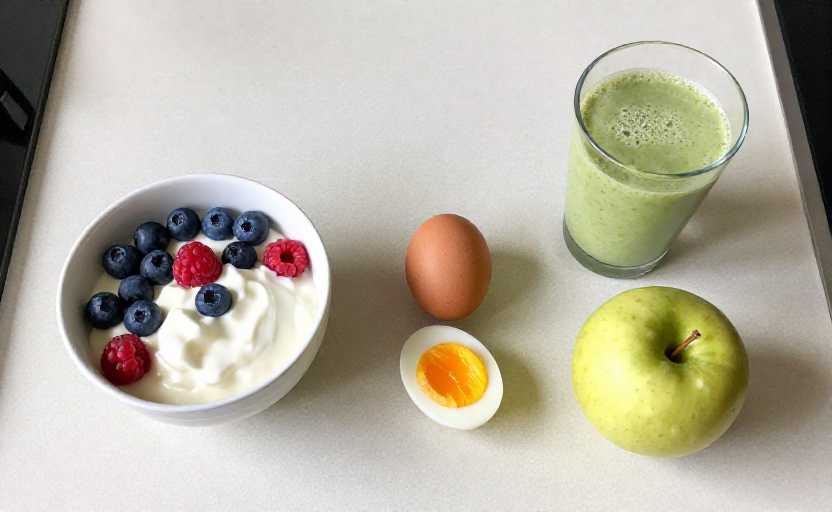
In fact, there are really not that many dietary taboos for chronic cough. You don’t have to refer to the online list and don’t dare to eat this or touch that. Even avoiding eggs and milk will slow down the recovery speed because the nutrition cannot keep up. If you are really not sure, just keep a food diary for two days. If you eat something and your cough becomes significantly worse, stop. If there is no reaction after eating, just eat normally. What suits you is the most effective.
Disclaimer:
1. This article is sourced from the Internet. All content represents the author's personal views only and does not reflect the stance of this website. The author shall be solely responsible for the content.
2. Part of the content on this website is compiled from the Internet. This website shall not be liable for any civil disputes, administrative penalties, or other losses arising from improper reprinting or citation.
3. If there is any infringing content or inappropriate material, please contact us to remove it immediately. Contact us at: