
Diet taboos for women who have had cesarean section
High gas-producing foods before flatulence, highly irritating foods during the wound recovery period, large doses of blood-activating foods within 10 days after delivery, and high-oil and high-fat soups before the mammary glands are blocked. Most of the other taboos are confinement customs in different regions. They can be flexibly adjusted according to one's own recovery situation, and there is no need to follow them all.
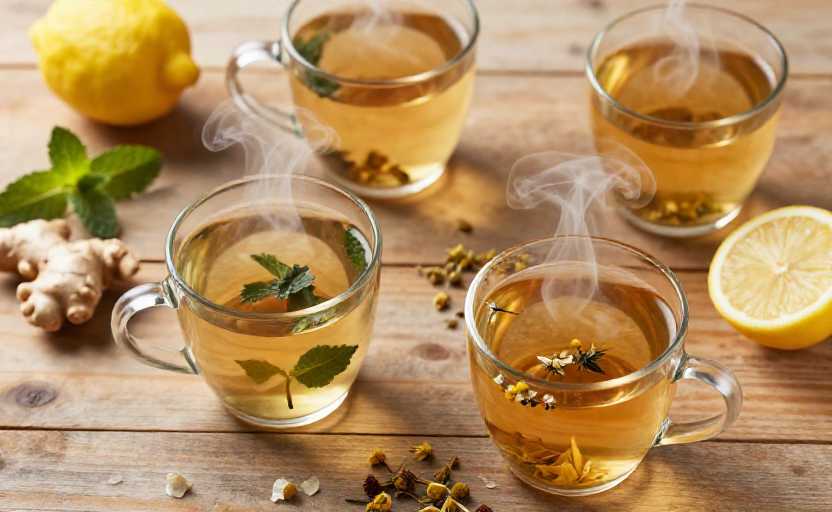
In the first 6 hours after being discharged from the operating room, the anesthesia has not been completely metabolized, and the intestines are basically in a "strike" state. At this time, don't listen to the old people at home saying "drink some carrot water to smoothen the flow", just drink warm water. There is actually quite a controversy as to whether radish water can help with flatulence. According to the traditional confinement concept, boiled radish water and soybean water can promote intestinal peristalsis. However, the modern evidence-based obstetrics view is that the intestines cannot digest these high gas-producing foods before flatulence. Drinking them will only pile up in the intestines and make you break out in cold sweats. When I accompanied my sister during a cesarean section, I met the aunt in the next bed. I felt sorry for her daughter who had just finished the operation and had no strength. I held two bowls of warm radish water and persuaded her to drink half of it. As a result, the girl was so bloated in the middle of the night that she could neither sit nor lie down. When the nurse came to press her belly, she cried in pain. In the end, she was able to recover by removing the vaginal discharge. It was really better to turn over twice more to pass the gas.
After they have passed the gas and can eat normally, many people's first thought is to finally eat something tasty. At this time, they should be careful not to eat anything that is too exciting. There is also a point that everyone has been arguing about for many years: can we eat spicy food? The traditional saying is that eating spicy food will cause eczema in babies through breast milk, and it will also leave scars on wounds. However, there is currently no clear evidence-based evidence that capsaicin in food can induce eczema in babies through breast milk, nor will it directly cause scar hyperplasia. However, it is still recommended to eat as little as possible in the first two weeks, mainly because the wound after cesarean section is still in the recovery period of inflammation. Eating too much spicy food will aggravate the body's inflammatory response. Many people will feel the wound is itchy after eating. In addition, postpartum is prone to constipation. If you eat too much spicy food, you will not be able to exert force when going to the toilet, and it will hurt when you hold it in. Anyone who has experienced it knows the sour feeling. If you are really hungry, there is nothing wrong with taking a bite of slightly spicy food to satisfy your craving. You don’t have to feel guilty.
There is another type of food that has a particularly high trapping rate, which is various tonic and blood-activating ingredients. Many families are used to making red ginseng chicken soup, velvet antler soup, or drinking brown sugar ginger tea every day to eliminate lochia. Here we have to separate it: if you drink a small amount of warm brown sugar water to warm the body in the first three days after delivery, it is perfectly fine. But if you drink it for ten days and a half in a row, and add ginseng and safflower to the soup with strong blood-activating ingredients, it is really easy to cause problems. I heard from a friend who is an obstetrics nurse that a mother drank two bowls of brown sugar and ginger tea every day for a week after giving birth, and also ate red ginseng stewed chicken stewed by her mother-in-law. The lochia that was almost cleansing suddenly increased, and her pants were mostly wet before she panicked. She went back to the hospital in the middle of the night to stop the bleeding. She suffered a lot for nothing. After all, cesarean section itself bleeds more than vaginal delivery. A mother with weak coagulation function who eats too many blood-activating foods can easily cause endless lochia, and in severe cases, it can cause massive bleeding. This is not alarmist.
As for the various breast-feeding soups that everyone is familiar with, I really advise you not to touch them the week before. In the first few days after giving birth, the milk ducts are not completely open, so the pig's trotter soup and old hen soup with a thick layer of oil that you drink will not only prevent you from producing milk, but will easily get blocked in the milk ducts and cause mastitis. The pain is worse than having your belly pressed. Moreover, the newly recovered stomach cannot handle such heavy fat, and drinking it will most likely cause diarrhea. If you really want to drink meat soup, you can wait about 10 days after delivery and the milk ducts are unblocked. Then skim off the floating oil on it and cook it lightly before drinking. If you have enough milk, drinking more warm water is better than anything else.
There are also some taboos that have been passed down for many years that you really don’t need to believe, such as “you can’t eat salt during confinement”. You sweat a lot after giving birth and have to breastfeed. If you don’t eat any salt, you will easily suffer from electrolyte imbalance. Your whole body will become weak and you won’t even have the strength to hold a baby. As long as the taste is lighter than usual, there is no need to completely avoid salt. There is also a saying that "you can't eat fruits for fear of being cold." As long as your gastrointestinal problem is normal, soaking in warm water for a minute or two and eating apples and bananas at room temperature is completely fine. It can also supplement dietary fiber and relieve constipation. It is much more comfortable than squatting on the toilet when you are constipated and not trying hard. If you have a weak gastrointestinal condition, you can steam them until soft and eat them, and you don't have to eat them.
To put it bluntly, these taboos are never meant to restrict what you eat, but to help you avoid unnecessary sins. It’s tiring enough to have a baby after just getting stabbed. If you really want something, as long as it’s not a large dose of the ones mentioned above, it’s not a big deal to take one bite. Don’t make yourself depressed just because of a few bites, which will affect your recovery. After all, you are the one who is in confinement, and comfort comes first.
Disclaimer:
1. This article is sourced from the Internet. All content represents the author's personal views only and does not reflect the stance of this website. The author shall be solely responsible for the content.
2. Part of the content on this website is compiled from the Internet. This website shall not be liable for any civil disputes, administrative penalties, or other losses arising from improper reprinting or citation.
3. If there is any infringing content or inappropriate material, please contact us to remove it immediately. Contact us at: