
Symptoms and dietary taboos of urinary stones
The three most typical symptoms of urinary stones are sudden cramping in the waist and abdomen, hematuria, and abnormal urination. The core dietary taboos can be distinguished according to the type of stones. The general guidelines are to control the intake of oxalic acid, limit high-purine foods, and reduce high-sodium and high-sugar diets. The "no calcium supplements at all, and no soy products" spread online are misunderstandings and do not need to be copied blindly.
To be honest, I have been in the Department of Urology for almost five years and have seen all kinds of patients with urinary stones. The most typical one is the young man who went to the emergency room in the middle of the night. He was so painful that he was hunched over and sweating coldly. Even his family members could not help him. When asked, he had either been sitting for a day without drinking water, or he had just eaten seafood and drank beer the day before. After a CT scan, it turned out that there was a small stone stuck in the ureter. The pain is really "terrible", more unreasonable than the pain of appendicitis, and often accompanied by nausea and vomiting. Many people initially thought it was due to a bad stomach, and many people mistakenly went to the gastroenterology department.
Of course, there are also many people who don’t feel anything. The stones just stay in the kidneys without moving. At most, they occasionally have soreness and swelling in the waist. You may think it’s because you’re tired from sitting and working for a long time. It’s not until you do a physical examination and do an ultrasound that you discover that there are several small stones in the kidneys. Some stones fall into the bladder or urethra, causing frequent urination, urgency and pain in urination, or even a sudden cessation of urination in the middle of urination, making you tremble in pain. This is probably because the stone has blocked the urethral opening. A small number of people will have hematuria that can be seen with the naked eye, and the urine is reddish or even like meat washing water. This is because the stones have scratched the urinary tract mucosa. Don't delay, go to the hospital quickly.
After talking about the symptoms, let’s talk about the dietary taboos that everyone is most concerned about. There are really a lot of misunderstandings here. I have seen too many people blacklist milk and tofu when they find out they have stones. After half a year, the stones have not become smaller, but they have been diagnosed with osteoporosis first. It is completely unnecessary.
80% of urinary stones in our country are calcium oxalate stones. Patients of this type really need to pay attention to controlling their oxalic acid intake. Vegetables with high oxalic acid, such as spinach, amaranth, and water spinach, as well as nuts, strong tea, and star fruits, should not eat too much at one time. Here is another controversial point: In the past, the old view was that calcium supplementation would aggravate stones. Now the latest guidelines at home and abroad clearly state that drinking milk and eating calcium tablets (daily calcium intake 1000-1200mg) can combine with oxalic acid in the intestines, reduce the absorption of oxalic acid into the blood, and can actually reduce the risk of stones. As long as you don't eat excessive calcium supplements.
Then there are uric acid stones, which are becoming more and more common nowadays. Most of them are linked to hyperuricemia. Patients of this type should avoid eating high-purine foods, such as animal offal, shelled seafood, beer, and rich broth. Otherwise, uric acid will rise quickly and stones will easily grow. There is also a different research conclusion here. Many people say that soy products are high in purine and should not be eaten. In fact, clinical data in recent years have long confirmed that the metabolic absorption rate of plant purines is much lower than that of animal purines. As long as you don’t eat tofu and drink thick soy milk every day, it is perfectly fine to eat it once or twice a week, and you don’t have to kill it with a stick.
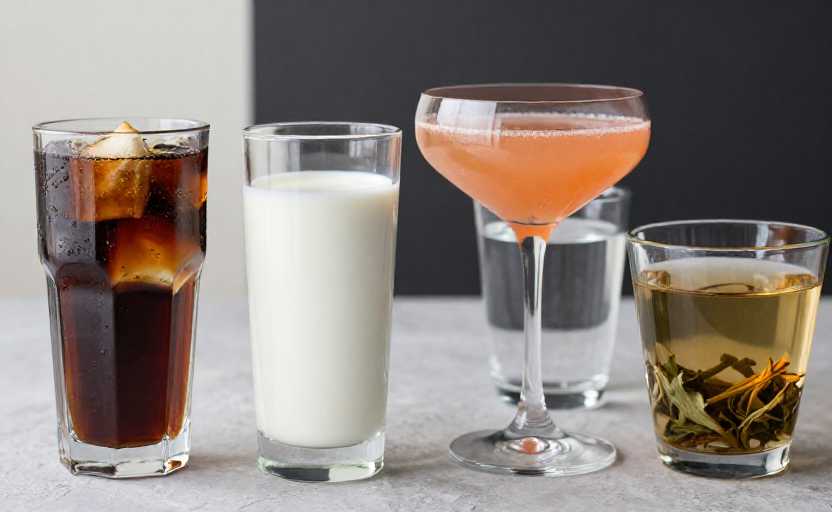
The remaining infectious stones do not account for a high proportion. This type of patients should focus on eating less high-sodium foods, such as pickles, processed meats, and pickles. Eating too much sodium will increase the excretion of calcium in the urine. No matter what type of stones, it is not good. Oh yes, there are also milk tea, carbonated drinks, and particularly sweet fruit juices. No matter what your physique is, as long as you have stones, it is recommended to drink less. High sugar will disrupt the electrolyte balance in the urine. I have seen many teenage children with stones who drink carbonated drinks as water every day.
To be honest, when I educate patients, I never advocate blind dietary restrictions. The best way is that if you pass stones or have them removed through surgery, do a component analysis and adjust your diet accurately than anything else. What’s more important than food taboos is drinking water. Drink at least 2 liters of water a day to make your urine as clear as rice water. It can wash away many small crystals and reduce the formation of stones from the source. This is a golden rule recognized by all doctors. It is more effective than more than a dozen foods you should avoid.
Of course, there is no need to be too anxious. Urinary stones are the most common ailments in urological surgery. Small stones can be eliminated by drinking more water and jumping, while larger stones can be treated with minimally invasive surgery. Pay more attention to the signals from the body and don’t wait until you are writhing in pain before going to the hospital. This is better than anything else.
Disclaimer:
1. This article is sourced from the Internet. All content represents the author's personal views only and does not reflect the stance of this website. The author shall be solely responsible for the content.
2. Part of the content on this website is compiled from the Internet. This website shall not be liable for any civil disputes, administrative penalties, or other losses arising from improper reprinting or citation.
3. If there is any infringing content or inappropriate material, please contact us to remove it immediately. Contact us at: