
Diet taboos for breast hyperplasia and cysts
There are only three types of diets that patients with breast hyperplasia and cysts really need to clearly avoid - foods/health products that are explicitly added with exogenous estrogen, high-sugar, high-oil, pro-inflammatory foods that are consumed frequently over a long period of time, and irritating foods that will clearly aggravate their own discomfort. Most of the taboo requirements for "fat foods" uploaded online are not evidence-based, and there is absolutely no need to apply them across the board.
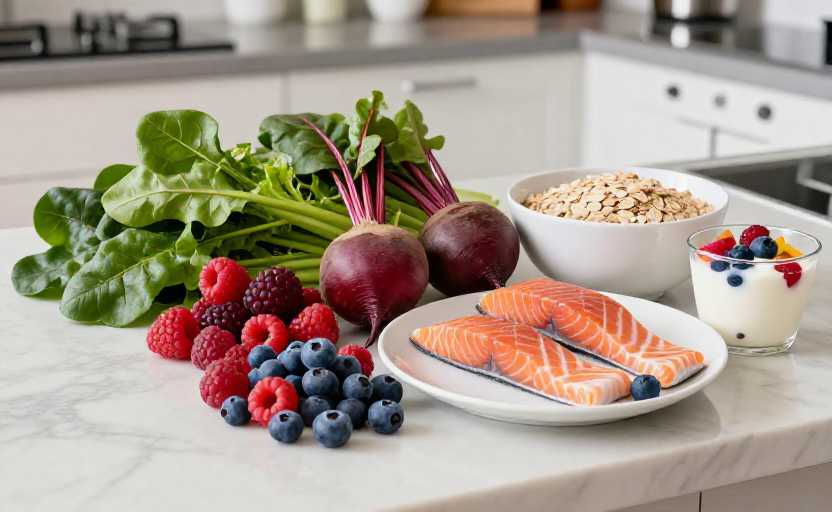
When I was following up at breast surgery, I saw too many people putting soy milk and soy products at the top of their taboo list, and even dare not touch home-cooked tofu. This is actually a typical misunderstanding. Current evidence-based research in Western medicine has confirmed that soy isoflavones in soybeans are phytoestrogens and are regulated in two directions - if the level of estrogen in your body is high, it will seize the receptors to help you reduce its effect. If it is low, it can fill in the gap. Long-term drinking of soy milk can actually reduce the risk of breast disease. Of course, some Chinese medicine practitioners believe that soy products are cold in nature, and hyperplasia patients with cold constitutions and often cold hands and feet should drink less.
On the contrary, some supplements that people rarely pay attention to are the pitfalls that should be avoided. For example, royal jelly, snow clam, placenta, and those Internet celebrity health products with unknown ingredients that promote "breast enlargement" and "anti-aging" have high levels of animal estrogen or artificially added estrogen, which can really stimulate hyperplasia and cyst growth. In the past two months, I had seen a 28-year-old girl. She took breast enhancement pills purchased for three months in order to increase her breast size. The original 1.2cm cyst swelled to 2.1cm, which was so painful that it was uncomfortable to wear a sports bra. She stopped and adjusted it for half a year, and then re-examined and it shrunk back to 0.8cm.
What many people don’t know is that the full-sugar milk tea you hold in your hands every day and the fried chicken cream cake for afternoon tea are actually much more stimulating to the breast glands than the two bites of seafood you occasionally eat. A long-term high-sugar and high-oil diet will cause large fluctuations in blood sugar and insulin, disrupt the stability of the entire endocrine axis, and aggravate the inflammatory response in the body, which will be reflected in the breast pain, increased pain, and more obvious glandular structural disorder. I used to have a nurse in the same department, Xiao Zhou, who drank full-sugar pearl milk tea for three days every time she worked the night shift. Within a week after drinking it, she would have so much chest pain that she dared not touch it. A B-ultrasound showed that the growth was more obvious than before. Later, she changed the milk tea to sugar-free oolong tea, and the swelling and pain disappeared in less than half a month. Of course, this does not mean that you should not touch these happy foods at all. Some studies now believe that high-fat diet and aggravation of hyperplasia are only correlations, not absolute causation. If you crave fried chicken cakes once or twice a month, it is perfectly fine. Just don't eat them every day.
There are also the most frequently asked questions about whether coffee, chili, and wine can be touched. This is really different for everyone. I myself have mild breast hyperplasia. I have been drinking a glass of iced Americano every day for almost 6 years. I check the B-ultrasound every year and there is no change at all. However, some patients are particularly sensitive to caffeine. Even half a cup of latte will cause pain for two or three days. In this case, you just need to pay attention to touching less. You don’t need to listen to others to say you can’t drink it and just quit coffee altogether. Alcohol is the only thing that is recommended to be avoided regardless of whether you have any discomfort, especially high-quality liquor. Alcohol will affect the liver's inactivation function of estrogen. This is based on clear research. Drinking too much will indeed slow down the metabolism of estrogen in the body and continue to stimulate gland hyperplasia.
As for the statements on the Internet that you cannot eat beef and mutton, seafood, and mangoes, they are really nonsense. These high-quality proteins and vitamins can help stabilize your metabolism and improve your immunity. I have seen too many people blindly avoid food, and end up with anemia, malnutrition, and hyperplasia, which is not worth the gain.
In fact, to be honest, more than 90% of breast hyperplasia and cysts are benign and have almost no impact on health. Diet is only a small influencing factor. If you are anxious about what you can't eat or what you can't eat every day, and you are emotionally stressed and depressed, it will do more harm to your breasts than eating two wrong bites of something. Usually, as long as you avoid those clear minefields, the rest will be as happy as you want. A breast B-ultrasound review once every six months to a year is enough. There is really no need to put such a heavy dietary burden on yourself.
Disclaimer:
1. This article is sourced from the Internet. All content represents the author's personal views only and does not reflect the stance of this website. The author shall be solely responsible for the content.
2. Part of the content on this website is compiled from the Internet. This website shall not be liable for any civil disputes, administrative penalties, or other losses arising from improper reprinting or citation.
3. If there is any infringing content or inappropriate material, please contact us to remove it immediately. Contact us at: