
6 major dietary taboos for Hashimoto’s disease
Ingesting a large amount of foods high in iodine in a short period of time, gluten intolerances that are clearly known, highly processed foods with large amounts of refined sugar added, food intolerance categories that have been proven to cause discomfort, hydrogenated vegetable oil products containing trans fats, and excessive consumption of raw cruciferous vegetables.
Let’s talk about the most bizarre problem of iodine intake first. As soon as Hashimoto’s was diagnosed, many people immediately replaced the iodized salt at home with non-iodized salt. They didn’t even dare to touch kelp and seaweed. In fact, there is really no need to cut it across the board. I once had a patient from Hangzhou who lived in a coastal area and often ate seafood. He also liked to make a bowl of seaweed and shrimp skin soup for breakfast every morning. A follow-up examination half a year after the diagnosis showed that the globulin antibodies had almost tripled. Later, he stopped eating high-iodine foods such as kelp, seaweed, moss strips, and concentrated seafood juice. He ate normally with iodized salt, and the antibody test dropped by more than 40% three months later. But there is also a patient from Gansu who lives in an iodine-deficient area. He blindly listened to people saying that he should ban iodine, and after eating iodized salt for half a year, he was diagnosed with iodine-deficient hypothyroidism, which aggravated his symptoms. The current consensus in the industry is not to completely ban iodine, but to avoid consuming large amounts of high-iodine foods in a short period of time. It is perfectly fine to eat iodized salt normally. If you are not sure whether you have enough iodine, you can check your urine for iodine and it will be clear at a glance. There is no need to guess.
Even more controversial than iodine is whether to give up gluten. I once had a patient from Shandong who could not live without steamed buns and noodles. He always felt tired and could not recover even after sleeping for 10 hours. After a food intolerance test, he was found to have a positive gluten IgG3 level and a slight leaky gut. He followed the doctor's advice and quit gluten for 3 months. Most of his fatigue was gone and his antibodies were also reduced a lot. However, there are also many patients who have tested negative for gluten intolerance. They do not feel uncomfortable eating pasta on a regular basis. There is no need to follow others to blindly quit. On the contrary, it will put a psychological burden on themselves to eat. Current research only confirms that gluten can induce leaky gut in some susceptible people, thereby aggravating the autoimmune response. If your symptoms have not improved after adjusting your diet for a long time, you might as well try abstaining from gluten for 3 months to see if there is any change. If there is no reaction, eat as you should.
In fact, many people have overlooked that the impact of high-sugar and highly processed foods on Hashimoto’s is more direct than the above two. I have met several young girls who have stopped eating iodine and gluten after being diagnosed, but they still have a cup of milk tea every day and a cream cake as afternoon tea. Every time they are rechecked, their antibodies are rising steadily. One girl made a determined effort to stop eating processed foods with a lot of refined sugar, such as milk tea, cakes, and preserves, and only ate fresh fruits as snacks. In just one and a half months, the bloated feeling in her neck that she always had before disappeared, and her antibodies dropped by more than 100 points. Of course, there is no need to completely cut out sugar. It is perfectly fine to eat fruits with natural sugars such as fresh grapes and watermelons, as long as you don’t eat fructose syrup and white sugar.
There are also very personal taboos, which are foods that you are clearly intolerant to. This really varies from person to person. Some people are fine after eating eggs, while others get gas and swollen faces after eating them. Some people are fine after drinking milk, while others get diarrhea and fatigue after drinking it. There was a patient who ate two boiled eggs every day to supplement her nutrition. After a food intolerance test, she found that the eggs were level 3 positive. After she stopped, the swollen face in the morning that had bothered her for more than half a year was cured in less than half a month. If you don’t know what you are intolerant to, you can either get a food IgG test or keep a food diary. If you feel uncomfortable, sleepy, or bloated after eating a certain food, just stop for a while and try it instead of forcing yourself to eat so-called "healthy foods."
There is another category that people usually don’t pay much attention to, which are hydrogenated vegetable oil products containing trans fats, such as cakes made with margarine, milk tea made with non-dairy cream, shortbread baked with shortening, cheap coffee mate, etc. These trans fats will aggravate the inflammatory response throughout the body. Hashimoto’s itself is an autoimmune inflammation. Eating these for a long time will undoubtedly "add fuel to the fire" to the body. Of course, there’s no need to be too anxious. It’s okay to eat bread with shortening outside occasionally, as long as you don’t eat it every once in a while.
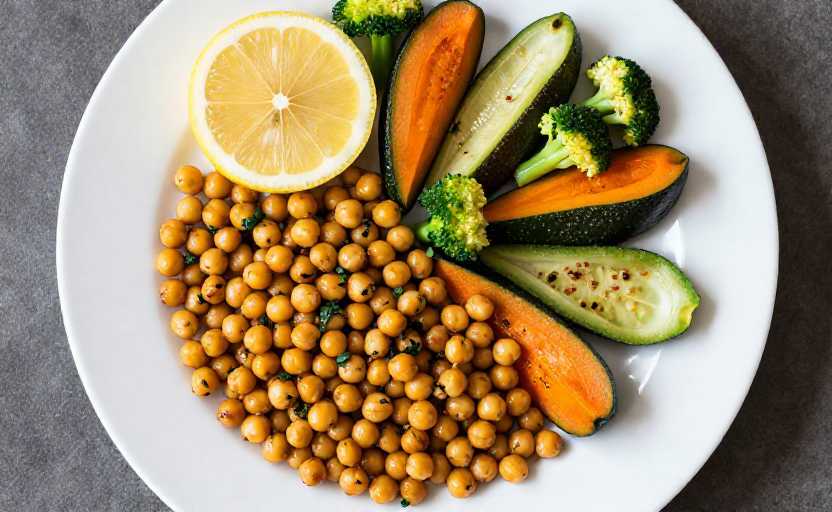
Finally, I want to clarify a very widespread misunderstanding: many people say that Hashimoto cannot eat cruciferous vegetables, and that broccoli, bok choy, and cabbage are all banned. This is really an injustice. Only when a large amount of raw cruciferous vegetables are eaten in a short period of time will the glucosinolates in them affect the synthesis of thyroxine. For example, if you drink vegetable juice with half a head of broccoli and half a head of cabbage every day for several months, there may be problems. However, if you eat it normally, stir-fry or cook it, one plate at a time, there will be no problem at all. I once had a patient who believed this rumor and didn't dare to touch cruciferous vegetables for half a year. The constipation made him feel irritable. Later, he resumed eating fried cabbage and boiled broccoli. After a follow-up check, there were no problems, and the constipation was cured.
In fact, after all is said and done, there is no standard answer to Hashimoto's dietary adjustment. There is no need to list a bunch of strict taboos for yourself and make eating feel like torture. After all, everyone’s physique, living environment, and severity of illness are different. Just try slowly and find a rhythm that suits you. After all, adjustments that can be sustained for a long time are useful adjustments.
Disclaimer:
1. This article is sourced from the Internet. All content represents the author's personal views only and does not reflect the stance of this website. The author shall be solely responsible for the content.
2. Part of the content on this website is compiled from the Internet. This website shall not be liable for any civil disputes, administrative penalties, or other losses arising from improper reprinting or citation.
3. If there is any infringing content or inappropriate material, please contact us to remove it immediately. Contact us at: