
Diet taboos after laparotomy for uterine fibroids
The core dietary taboos after laparotomy for uterine fibroids are "avoidance in stages." Absolutely avoid foods that are prone to flatulence before passing out. Stay away from blood-activating foods for one week after the operation. During the entire recovery period, try to avoid spicy, cold, or salty foods. There is no unified standard for the other so-called "fat food" taboos. It all depends on your personal physique and acceptance.
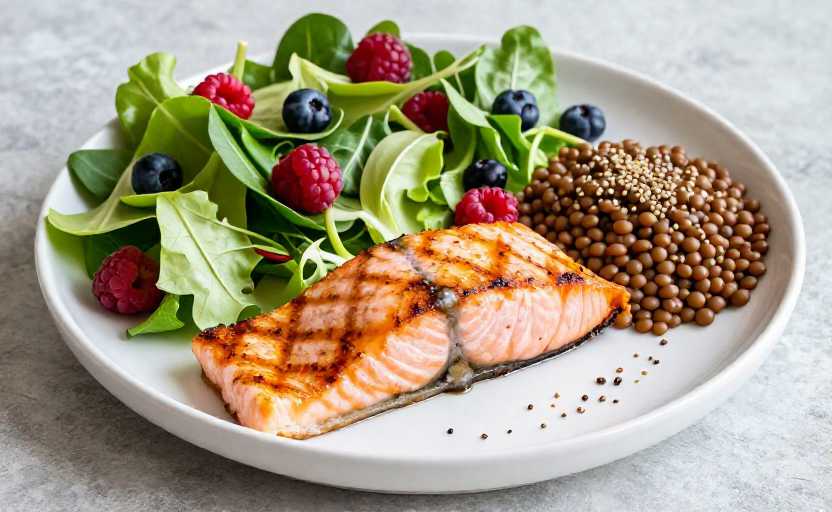
I stayed in the gynecological ward for a week with my relatives last month. I met a dozen patients who underwent abdominal fibroid surgery. 80% of their dietary mistakes occurred in the first three days after the surgery. There was a 28-year-old girl who had no flatulence on the first day after the operation. Her family brought hot milk and said it was a nutritional supplement. However, after drinking less than half a cup, her stomach became bloated and groaning in the afternoon. When the doctor came to press her belly to remove the flatulence, she cried so much that the whole ward could be heard. Finally, she was given Kaisellu to relieve her symptoms.
Anesthesia is required during laparotomy, and the tissues in the pelvic cavity will be stretched. If the intestines in the stomach are stimulated, they will temporarily "go on strike", and the peristalsis will be much slower than usual. At this time, eating milk, beans, sweet potatoes, and carbonated drinks will produce a lot of gas in the intestines. When it swells, it will involve a wound of more than ten centimeters on the stomach. The pain is really more sore than pressing the stomach. Oh, by the way, there is quite a controversy about whether radish soup can help with flatulence. Many people in traditional Chinese medicine believe that radish can help regulate qi. Most Western medicine practitioners believe that radish itself is a food that is prone to flatulence. Drinking it before you have flatulence will easily increase your burden. If you really want to try it, you can cook it very lightly and drink one or two small sips. If you don't feel uncomfortable, drink it again. If it doesn't work, just drink warm boiled water or a small amount of tangerine peel water, which is more stable than anything else. Oh, by the way, I forgot to mention that there are also those particularly sweet cream cakes. Try to eat as little as possible in the first week after surgery. Eating too much sugar will cause bloating and is not conducive to wound healing. I have seen a little girl eat half a small cake on the first day after surgery and she was so bloated that she cried. Don’t step into this trap.
After finally passing the gas, many people feel that "it's finally time to replenish the blood." At this time, many people step into the blood-activating trap. The aunt in the bed next to me felt sorry for her on the third day after the operation. She specially stewed red dates and longan soup with donkey-hide gelatin, but after drinking less than half a bowl, the bloody exudate in the drainage bag increased by almost 100ml that night. The doctor on duty came over and told the family members directly, saying that the bleeding period of the wound would be within a week after the operation. If you give her something to promote blood circulation at this time, it will not help her but harm her.
Different schools of thought have different opinions on the time to replenish qi and blood. Western medicine generally recommends that you try not to touch ingredients with strong blood-activating effects such as donkey-hide gelatin, saffron, longan, and rice wine within one month after surgery to avoid increasing the risk of bleeding.; However, the view of traditional Chinese medicine is that if there is no vaginal bleeding 2 weeks after surgery and the qi and blood deficiency is severe, you can add a small amount of mild qi- and blood-replenishing ingredients, such as a few red dates and a small amount of astragalus boiled in water.
As for spicy, iced drinks, and heavily pickled foods, it’s not that eating them will definitely cause big problems, but there’s absolutely no need to make yourself suffer. The day my relative was discharged from the hospital, he was greedy and insisted on eating ice cream. He couldn't stop him. As a result, he had diarrhea that night. He ran to the toilet three times and said that the wound on his stomach throbbed and hurt every time he exerted force. He rushed to see a doctor the next day. Fortunately, there was no crack. He drank light millet porridge for three days before he recovered. The gastrointestinal tract is already weak after surgery. Food that is too spicy will irritate the gastrointestinal mucosa, food that is too cold will cause gastrointestinal cramps, and food that is too salty will easily aggravate postoperative edema. Why burden it?
Many people ask if they can’t eat eggs, beef, and seafood? Damn, this is really spread too mysterious. Now both Western medicine and Chinese medicine have made it clear that as long as you are not allergic to these foods, you can eat them. On the contrary, these high-quality proteins are the "raw materials" for wound healing. My relative would eat two steamed eggs a day, a small piece of lean beef, and occasionally some boiled shrimp. The stitches were removed in ten days and the wound was very smooth. Of course, if you are allergic to seafood, or if the elderly in your family are particularly concerned about eating food, it doesn't matter if you don't eat it. You can also supplement enough protein with chicken breasts and eggs. There is no need to argue with others. The most important thing is that you feel comfortable eating.
In fact, there are really not so many black and white taboos. Pay more attention in the first two weeks after the operation. Wait for the wound to be healed after a month's review. Eat whatever you want, including hot pot, milk tea, crayfish, and don't make yourself feel bad by eating clear soup and water every day. After all, a good mood is the first good medicine for recovery.
Disclaimer:
1. This article is sourced from the Internet. All content represents the author's personal views only and does not reflect the stance of this website. The author shall be solely responsible for the content.
2. Part of the content on this website is compiled from the Internet. This website shall not be liable for any civil disputes, administrative penalties, or other losses arising from improper reprinting or citation.
3. If there is any infringing content or inappropriate material, please contact us to remove it immediately. Contact us at: