
Although traveling for the elderly is beneficial, it should be done within one’s ability
The elderly should travel according to their ability
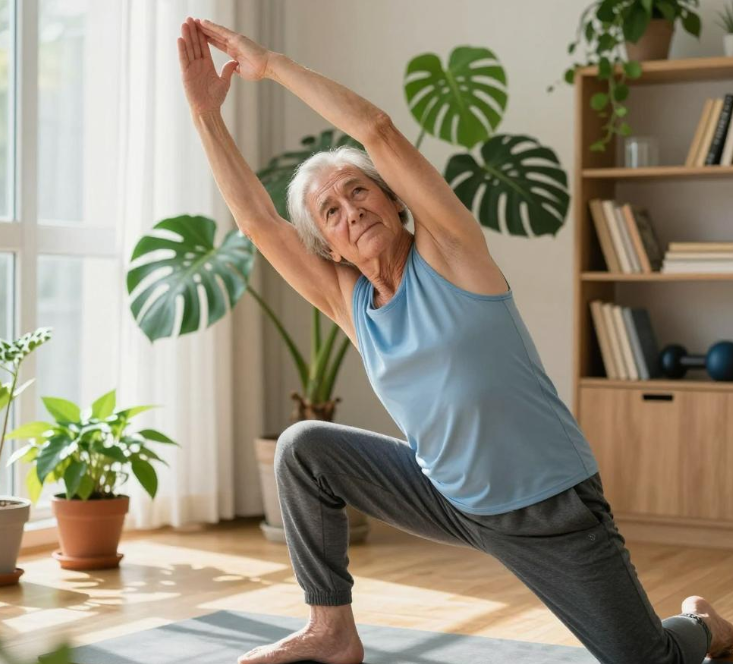
Compared with young people, the physical condition of the elderly is completely different. For the elderly who are keen on traveling, the way they travel is particularly important. Nowadays, many tourist routes have compact itineraries and include activities day and night, which may be too much for some elderly people. There are also some tourist routes that take a long time, lasting more than ten days at a time, which some elderly people can bear. However, if you are elderly or in poor health, you can travel for three to five days. Over time, your body will inevitably be exhausted. In addition, some tourist spots have high mountains and dangerous roads, which makes it difficult for young people to visit, and it is even more difficult for elderly people to participate in them.
For the elderly, when traveling, they must first have a correct estimate of their physical condition and choose a suitable travel itinerary so that they can have a good time and eat well. Second, before traveling, you should plan ahead, estimate possible situations that may occur during the journey, design a response plan, and be mentally and materially prepared. Third, during travel, you must act according to your ability. While ensuring your personal safety, you must also maintain your physical strength, avoid excessive fatigue, make the journey smooth, worry-free, and happy, and allow yourself to enjoy the fun of travel.
Traveling for the elderly is beneficial to the body and mind, but they must act within their capabilities. Nowadays, traveling is so popular among the elderly. They want to see the outside world after they retire at home. However, when traveling, you must make it happy and pay attention to safety.
Things to note when traveling for the elderly
1. Elderly people need to bring regular medications when traveling. Especially elderly patients with chronic STDs must prepare some special first aid medications in addition to their daily medications.
2. Elderly people should pay attention to cold when going out. The climate is constantly changing, with winds and rains coming and going. When going out, you should prepare enough clothes, carry rain gear, and have shoes and socks of appropriate size. It is not advisable to sit on cold, damp stone ground to prevent rain. Do not stand in the wind when climbing or going downhill to avoid catching cold and getting sick. If you catch a cold due to rain while traveling, you can add an appropriate amount of ginger and onion to brown sugar when you get home, decoct it with water and take it hot to drive away the wind and cold. Wash your feet with hot water before going to bed, and raise your feet appropriately when sleeping to promote blood circulation in the feet and eliminate fatigue as soon as possible.
3. Don’t forget to bring your walking stick. The cane is the "third leg" for the elderly. Therefore, the elderly should bring a cane when traveling.
4. Prevent accidents. You should be cautious when moving. Cars, boats, and mountain climbing must be carefully arranged. It is best to have someone to take care of you and accompany you. When traveling, the elderly should try to avoid walking on steep trails and not climb mountain and forest rock walls alone to avoid accidents.
5. Pay attention to allergies. Elderly people with a history of allergies should try to avoid places with flowers. They can also take anti-allergic drugs such as Permin beforehand to prevent pollen allergies.
6. Pay attention to keeping warm and cold. The climate in spring is changeable and capricious, from warm to cold, which can easily cause respiratory infections such as influenza. Therefore, you should prepare enough clothing, supplies, etc. to prevent unexpected events.
7. Prevent the recurrence of old illnesses. During spring outings in other places, allergic diseases and "acclimatization" syndrome are prone to occur, so attention should be paid to prevention. Those who usually need medication should not stop taking it without authorization. Otherwise, it may cause the old disease to relapse, aggravate or worsen the condition.
Disclaimer:
1. This article is sourced from the Internet. All content represents the author's personal views only and does not reflect the stance of this website. The author shall be solely responsible for the content.
2. Part of the content on this website is compiled from the Internet. This website shall not be liable for any civil disputes, administrative penalties, or other losses arising from improper reprinting or citation.
3. If there is any infringing content or inappropriate material, please contact us to remove it immediately. Contact us at:
