
Diet taboos for femoral head necrosis
Excessive intake of high-sugar, high-fat, high-purine, any form of alcohol, bone-strengthening supplements with unknown ingredients, and other requirements spread online such as "cannot eat hairy foods" and "disabled soy products" are mostly not supported by evidence-based medicine and do not require blind taboos.
Let’s first talk about the alcohol issue that no one can discuss. Last week, we met a 38-year-old patient with early-stage necrosis in the outpatient clinic. After conservative treatment for more than half a year, the original painful symptoms have basically disappeared. The edema was almost gone after the last MRI check. As a result, he drank white wine for three days during the New Year party. When he came in, he was on crutches, and his forehead was so painful that he was sweating. When he checked again, he found that the edema around the femoral head was worse than when he first saw the doctor. There is actually a little controversy in the academic community about alcohol intake: some studies believe that the polyphenols contained in less than 100ml of low-alcohol red wine per week may improve local microcirculation in the hip joint, and have weak benefits for recovery. ; However, more clinical data show that as long as there is alcohol intake, it will inhibit the activity of osteoblasts and increase blood viscosity. The small blood vessels that originally supply blood to the femoral head are thin and can easily become blocked, which is equivalent to directly "stepping on the accelerator" of the necrosis process. In clinical practice, we usually directly advise patients to quit smoking altogether. After all, the possible benefits are not worth the risks, and it is not worth the gamble.
Many people think that the taboo is to avoid eating spicy food and not eating cold food. In fact, eating too much high-sugar and high-fat food is an invisible pitfall. There used to be a 62-year-old aunt. After undergoing core decompression surgery, she heard from her neighbor that she drank bone soup to supplement calcium. She stayed up all day long and drank two large bowls at one meal. Her weight increased by 7 pounds in two months, and her blood lipids exceeded the standard. When she came back for review, her recovery speed was half as slow as that of patients in the same ward. The reason is actually very simple: the core problem of femoral head necrosis is poor local blood supply. When blood lipids are high, the blood becomes thicker, and small blood vessels are more likely to be blocked. As the weight increases, the weight of the hip joint increases, which adds to the blockage of both ends. Oh, by the way, there is also the problem of high purine. This does not need to be one-size-fits-all: if you have high uric acid or even a history of gout, you should avoid seafood, animal offal, and rich broth. If uric acid crystals block the small blood vessels around the femoral head, it will only aggravate ischemia. ; But if your uric acid is always normal, there is no need to blacklist all seafood. The high-quality protein and unsaturated fatty acids in deep-sea fish will actually help repair damaged tissues. If you eat it once or twice a week, and eat a palm-sized piece each time, there will be no problem at all.
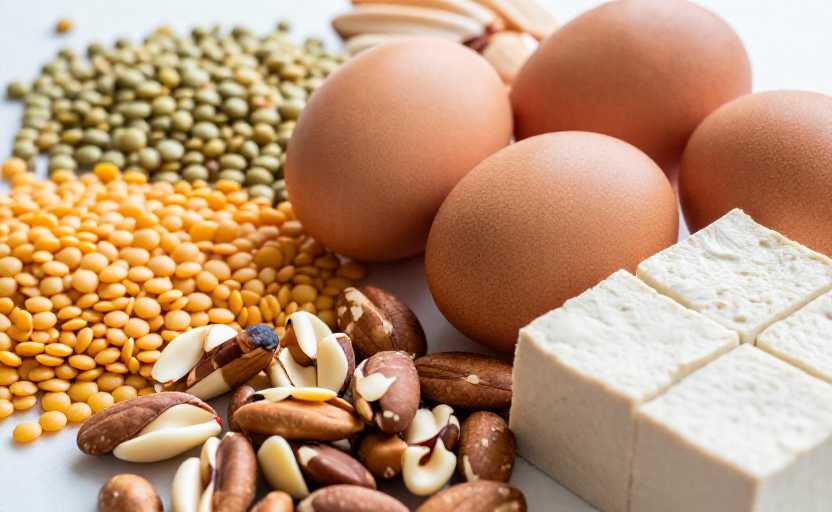
Many of the remaining so-called "taboos" are actually misunderstandings that have been spread through misinformation. I have met several patients. I heard the elderly at home say that they should not eat "hairy foods" if they have bone disease. They stopped eating beef, mutton, seafood, and eggs. There was a little girl in her early 20s. Originally, she had to control her weight in the early stage of necrosis, so she ate less. When she finally came for a review, her albumin was ridiculously low, and she couldn't keep up with the nutrients needed for bone repair. The necrotic area was actually a little bigger than last time. It is also said that soy products cannot be eaten, and that the estrogen in soybeans will affect bone metabolism is even more nonsense. There is currently no evidence-based evidence that daily intake of soy products will aggravate femoral head necrosis. On the contrary, for perimenopausal female patients, soy isoflavones can also help slow down bone loss. A cup of soy milk and a piece of tofu every day are only good for the bones.
Oh, by the way, there is another pitfall that many people easily fall into. They are those Sanwu supplements that claim to "grow bones after eating them." Many of them secretly add glucocorticoids. The pain seems to be lighter when you first take it. In fact, it is the anti-inflammatory effect of the hormones. Long-term consumption will only accelerate bone loss and make femoral head necrosis progress faster. If you really want to supplement calcium and vitamin D, ask your doctor first. Just buy products that are certified as pharmaceuticals. Don't buy those "secret recipes" that cost thousands of dollars a box.
In fact, after all, there are really not so many rigid rules for the diet of femoral head necrosis. The core is not to add burden to the already fragile blood supply, and just ensure that the nutrition is sufficient. There is really no need to look at the food comparison chart every day and be anxious about every meal. On the contrary, a bad mood will also affect the recovery, right?
Disclaimer:
1. This article is sourced from the Internet. All content represents the author's personal views only and does not reflect the stance of this website. The author shall be solely responsible for the content.
2. Part of the content on this website is compiled from the Internet. This website shall not be liable for any civil disputes, administrative penalties, or other losses arising from improper reprinting or citation.
3. If there is any infringing content or inappropriate material, please contact us to remove it immediately. Contact us at: