Foods that babies with eczema are allergic to
There is no food that all babies with eczema must avoid. Whether and what to avoid depends on your child's individual reaction. The generalized "list of foods that babies with eczema must avoid" is all nonsense.
Last week, I accompanied my best friend to take her 10-month-old rice cake to the dermatology department at the Children's Research Institute. The baby's face was covered with bloody scabs from scratching, and there was tissue fluid oozing from the seams in his neck. When my best friend came in, she had red eyes and said, "I haven't even dared to touch milk and eggs for the past two months. I only eat vegetables and white rice every day, but my baby's eczema is getting worse and worse." As a result, the doctor asked the crux of the matter in just three sentences: He had just added steamed eggs with egg white to the baby last week, and the baby tossed and scratched him all night long. The allergen test showed a strong positive for egg white, but the milk that everyone defaulted to avoid only had a weak positive. The doctor asked his best friend to pick up the eggs and milk and return the recipe on the spot: "You are so hungry that you have lost half of your milk supply, and your baby's eczema has not worsened even after drinking ordinary milk powder. This weak positive test is nothing to worry about. What should you avoid?" ”
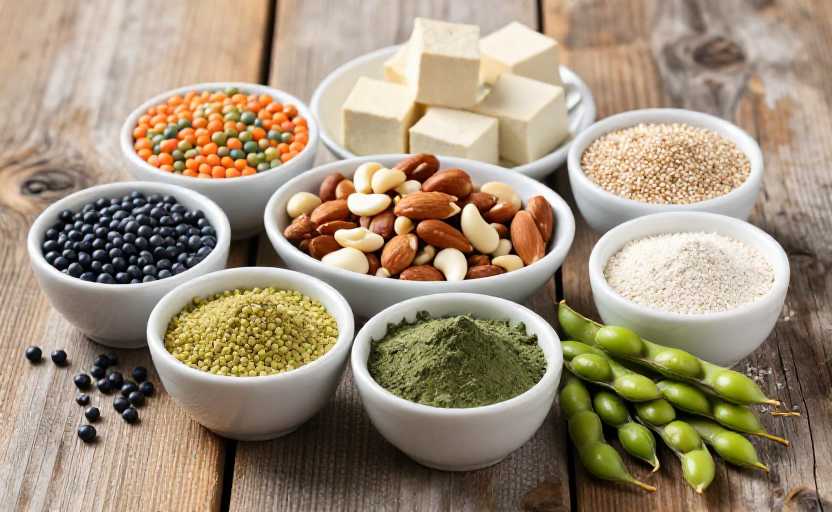
Many parents actually confuse "high-risk foods" with "foods that your child is clearly allergic to." Now when you search for eczema taboos online, the list that comes out will make your whole family eat boiled vegetables. In fact, it is completely unnecessary. Here we have to objectively talk about the two current mainstream views on food taboos for babies with eczema. There is no absolute right or wrong, it only depends on the suitability: In the early years, the more popular one was the "strict avoidance school", which believed that as long as there is eczema, all highly sensitive foods should be stopped, and even breastfeeding mothers should avoid all foods. Slowly introduce it after the child is 3 years old. This method can indeed minimize the probability of aggravation of food-induced eczema, but there are many pitfalls - there are parents around me who have banned egg milk for half a year. The child's height and weight did not meet the standard during the physical examination, and the eczema becomes more recurrent due to poor immunity.
Now more and more clinicians recommend the idea of "precise avoidance + gradual introduction". The core is that only foods that clearly meet the "positive food challenge test" need to be tabooed. Don’t take a weak positive allergen test as an edict. The real gold standard is a small test you can do at home: stop the suspected food for 1-2 weeks, and the eczema will be significantly improved or even subsided. If you eat a small amount once, the eczema will be significantly worse within 24-72 hours. Only if this pattern occurs two or three times in a row can you determine that this food is your child’s allergen. You need to avoid it for 3-6 months before trying to introduce it. Otherwise, there is really no need to push out good nutritious foods.
Speaking of which, I have encountered a very strange thing before. My neighbor's 2-year-old child had red mouth when he ate mangoes. The parents thought it was an allergy and avoided it for more than half a year. Then by chance, they cut the mango meat into very small pieces and stuffed it directly into the child's mouth without touching his lips. After I had no reaction, I went to the doctor and found out that the previous red rash was not a food allergy at all, but a contact dermatitis caused by the fruit acid in mango irritating the delicate skin around the mouth. I just went home, washed my face and applied moisturizer, and it was fine. The baby had been craving mangoes for more than half a year.
Babies of different ages are allergic to different foods. For 6-month-old babies who have just started to receive complementary food, the most likely problems are milk and eggs. After all, these are the first macromolecule proteins that babies come into contact with. After the baby reaches 1 year old, the proportion of allergies to seafood and nuts will gradually increase. If you take your baby out for a dinner party and are given nuts or seafood snacks, feed a small amount for the first time. Just wait until there is no reaction for two or three days and then feel free to eat.
There is another pitfall that is particularly easy to get into: only about 30% of moderate to severe eczema is related to food allergies. Most mild eczema is caused by dry skin and insufficient care. If you don’t apply thick moisturizer to your baby every day and wear too much clothes to make you sweat, your baby’s eczema will not be cured even if the whole family eats boiled vegetables, and you will blame the food for everything else.
To be honest, you don’t need to be too anxious about raising a baby with eczema. I have seen many babies whose eczema recurred like a “red-skinned mouse” when they were young. After they went to kindergarten, they gradually recovered. Don’t listen to others who say they can’t eat anything and just don’t try it with your baby. Just keep two complementary food diaries. It is more reliable than the universal taboo list posted on the Internet.
Disclaimer:
1. This article is sourced from the Internet. All content represents the author's personal views only and does not reflect the stance of this website. The author shall be solely responsible for the content.
2. Part of the content on this website is compiled from the Internet. This website shall not be liable for any civil disputes, administrative penalties, or other losses arising from improper reprinting or citation.
3. If there is any infringing content or inappropriate material, please contact us to remove it immediately. Contact us at: