
Diet taboos for low progesterone
Let me tell you the core conclusion first: There are only three types of dietary minefields that need to be strictly avoided when you have low progesterone - extremely cold/strongly irritating foods that can stimulate abnormal uterine contractions, illegally added exogenous hormones, and high-sugar and high-trans-fat foods that can interfere with endocrine stability. 90% of the taboos posted on the Internet such as "cannot eat soy products, cannot eat strawberries, and cannot touch any cold food" have no evidence-based medical evidence. Blind taboos may actually hinder progesterone due to insufficient nutritional intake.
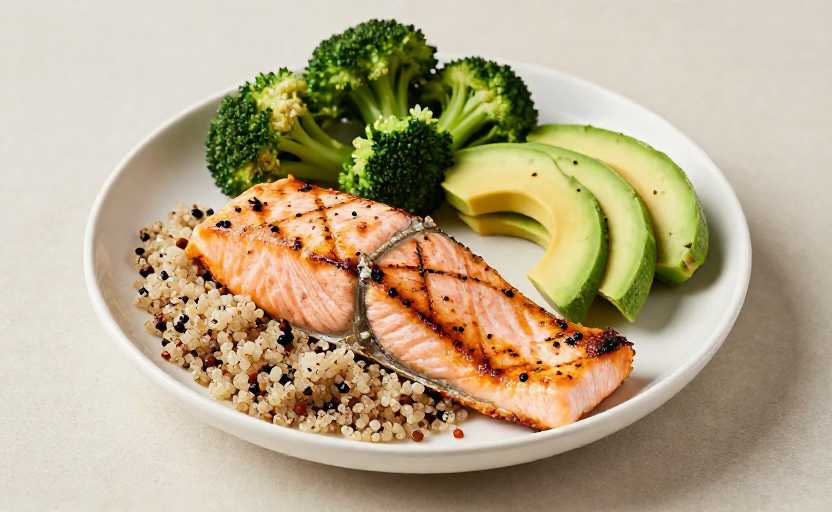
Unfortunately, I just went to the reproductive department with my best friend who was 6 weeks pregnant a while ago. She found out that her progesterone was only 14ng/ml. She went home and read the Little Red Book for three days. She stopped iced milk tea, watermelon, and even the soy milk she drank every day. She didn’t even dare to touch her favorite strawberries. She ate warm boiled vegetables + lean meat. However, the progesterone dropped to 12 when she was retested a week later. She also had ulcers all over her mouth due to lack of vitamins. The doctor laughed when he heard her list of taboos, saying that she was just trying to scare herself, and that many of the taboos spread online were simply untenable.
Let’s first talk about the minefields that will cause problems if we step on them, so that everyone can be aware of them.
The first thing to avoid is the kind of extremely spicy food. Note that it is "extreme", not all cold and spicy foods are off limits. For example, popsicles and cold beer just taken out of the freezer, the kind that makes your teeth chatter when you take one bite, as well as extremely spicy hot pot and super strong spirits. These foods can directly stimulate gastrointestinal spasms and also induce uterine smooth muscle contraction. People with low progesterone have unstable implantation, which can easily aggravate the risk of threatened abortion such as bleeding and abdominal pain. I would like to mention here that there are indeed differences in the views of different medical schools: Traditional Chinese medicine generally recommends that all cold foods such as crabs, barley, and purslane should be touched sparingly, and even if they are at room temperature, try not to eat them. ; However, according to the evidence-based evidence of Western medicine, as long as you do not experience diarrhea or stomachache after eating these things, it is perfectly fine to take one or two bites to satisfy your cravings occasionally, and you do not need to beat them to death with a stick. There are sisters around me who have low progesterone and ate half of a hairy crab. Nothing happened. Instead, because they were in a good mood, their progesterone went up a bit the next time they checked again. I really don’t need to blame myself too much.
The second thing that must not be touched is Sanwu products that contain unknown exogenous hormones. Many people rush to take supplements when their progesterone is low. They buy a bunch of "menstrual candies", "progesterone gummies" and "whitening and anti-aging pills" from Internet celebrities. Many of these three-no products contain illegally added animal-derived estrogen or progesterone. Eating them will disrupt the body's own endocrine regulatory axis and inhibit the secretion of progesterone by the corpus luteum. The more supplements are taken, the lower the level. Oh, by the way, the ripening fruits that many people are worried about are not in this category. Strawberries, kiwis, and mangoes sold in regular markets are all ripened with plant-derived ethephon. Phytohormones do not bind to the human body's hormone receptors at all, and have no effect on progesterone levels. Just wash them clean and eat without worry. Don't be fooled by rumors on the Internet.
Another category that should be avoided as much as possible is foods high in sugar and trans fat. For example, pearl milk tea with non-dairy cream, fried chicken fries fried with shortening, and greasy-sweet cream cakes. Eating too much of these foods will cause blood sugar to rise and fall like a roller coaster, directly affecting the stability of the hypothalamus-pituitary-gonadal axis, and in turn accelerating the metabolism of progesterone. I met a sister with polycystic cysts before. When she was preparing for pregnancy, her progesterone was only about 10ng/ml. She couldn't control herself and drank at least one cup of milk tea every day. Later, she changed the milk tea to sugar-free soy milk according to the doctor's advice. She also walked briskly three times a week. After half a month, the progesterone level increased to 19ng/ml. Although it was not entirely due to quitting milk tea, the stabilization of blood sugar is really helpful for the endocrine system.
After talking about the real minefield, let me clear up some of the most widely circulated rumors. Stop worrying about nutritional deficiencies.
For example, the most common saying is "If you have low progesterone, you should not eat soy products." It is said that soy isoflavones are phytoestrogens, which will compete with progesterone receptors and make progesterone even lower. This is really an old story. It has been clinically proven that soy isoflavones have a two-way regulation. When the estrogen in your body is low, it will help supplement it. When the estrogen is high, it will inhibit absorption, but it can help stabilize your endocrine levels. There is currently no large-scale study proving that eating soy products in moderation will lower progesterone. My best friend later listened to the doctor and drank a cup of 250ml sugar-free soy milk every day. After a week, the progesterone directly increased to 18. I will know if it is good or not. Of course, there are a few opinions that drinking a large amount of soy milk exceeding 1000ml a day may have effects. Ordinary people like us can't drink that much, so there is no need to worry at all.
There is also the saying "low progesterone should not eat cold food". Yogurt at normal temperature, watermelon at normal temperature, and even a small piece of pudding occasionally in summer. As long as you don't feel uncomfortable after eating it, it is completely fine. There is no need to heat everything until it burns your mouth before eating. On the contrary, the vitamins in the food will be scalded, which is not worth the gain.
In fact, to be honest, I have met so many sisters with low progesterone, and none of them lost progesterone because of eating two wrong things. Most of them are either insufficient luteal function itself, or problems with embryonic development. The role of diet is actually to assist, not decisive. You really don’t need to follow the list of taboos every day to eat, and you don’t dare to eat this or touch that. Feeling anxious will affect endocrine, which is much more harmful than eating two bites of iced watermelon. Oh, by the way, if you have low progesterone and are taking progesterone supplements, remember to try not to eat them with grapefruit or grapefruit. The furanocoumarins in grapefruit will affect the liver's metabolism of drugs and may cause abnormal blood drug concentrations. There is clear clinical evidence for this, so be careful.
Disclaimer:
1. This article is sourced from the Internet. All content represents the author's personal views only and does not reflect the stance of this website. The author shall be solely responsible for the content.
2. Part of the content on this website is compiled from the Internet. This website shall not be liable for any civil disputes, administrative penalties, or other losses arising from improper reprinting or citation.
3. If there is any infringing content or inappropriate material, please contact us to remove it immediately. Contact us at: