
High blood sugar dietary taboo foods
The first is high GI refined carbohydrates and added sugar foods with a glycemic index (GI) higher than 70, the second is processed foods and seasoned dishes with hidden high sugar, and the third is high saturated fat foods that can aggravate insulin resistance. The remaining so-called "taboos" are mostly personalized requirements that vary from person to person. There are no foods that must not be eaten, only inappropriate amounts and ways of eating.
You may not believe it. My Aunt Zhang downstairs had a physical examination last year and her fasting blood sugar was 7.2. At that time, the doctor asked her to control her diet. She turned around and threw away all the sweet and sour pork ribs and candied fruits at home. She thought that as long as she didn’t eat anything sweet, she would be fine. As a result, after eating white steamed buns and white porridge for half a month, she went for a follow-up check. Two hours after the meal, her blood sugar soared to 11, which shocked her. This is actually the pitfall that many people with high blood sugar often fall into: they only focus on obvious sugar and forget that refined carbohydrates are the main source of daily blood sugar for most people. Foods made from refined rice noodles, such as white rice, white steamed buns, white porridge, glutinous rice, rice dumplings, and rice cakes, have almost no dietary fiber. They are digested very quickly in the gastrointestinal tract and raise blood sugar faster than many sweet drinks. Of course, there is also a lot of controversy about the requirements for staple foods: some endocrinologists recommend directly replacing all refined staple foods with whole grains such as beans, quinoa, and yams, which have the best effect on sugar control. ; There are also geriatricians who believe that elderly people with bad teeth do not need to go to extremes. They can replace 1/3 of the white rice with brown rice or corn grits at each meal and limit the total amount of staple food to less than one square bowl. They do not need to completely stop eating white rice for a lifetime.
After talking about the staple food pit that is most easily ignored, there is another pit that is even deeper, which is vegetables and processed foods that don’t taste sweet at all. When I accompanied my family to attend a diabetes health education class, the head nurse specifically gave an example: There was a young diabetic who ate boiled vegetables with salad dressing every day. He felt that he was eating very healthily, but his blood sugar did not drop at all for half a month. Later, when he checked the salad dressing he bought, he found that there were 25 grams of added sugar per 100 grams, which is higher than the sugar content of Coke. There are many similar pitfalls: braised vegetables, fish-flavored shredded pork, kung pao chicken and other home-cooked condiments. Many people add 3-4 spoons of sugar to make them fresh. The taste is only salty and fresh, and the sugar is all hidden in the taste. ; Sugar-free biscuits and sugar-free mooncakes sold in supermarkets are made of wheat flour themselves, despite the claims of "0 sucrose", and many of them are added with maltodextrin and fructose syrup, which raise blood sugar faster than ordinary biscuits. There are different opinions on whether such sugar-free foods can be eaten: some nutritionists directly recommend not to eat them at all, thinking that they are all IQ taxes. ; Some doctors also say that if you are hungry when you go out, it is better to eat half a sugar-free biscuit as a snack than to be hungry and suffer from hypoglycemia. The key point is to look at the ingredient list when buying. The first three are wheat flour, white sugar, and maltodextrin. No matter how cheap they are, don't get them.
There are also many people who ignore the impact of high-fat foods on blood sugar. I used to know a man who has had sugar for 10 years. He used to eat fried dough sticks with soy milk every morning, and his fasting blood sugar was stuck at 6.8 and could not be lowered. After listening to the doctor's advice, he replaced the fried dough sticks with boiled eggs. After half a month, his fasting blood sugar dropped to 6.2. Eating too much of foods high in saturated fat, such as fried chicken, fatty meats, animal offal, and butter, will aggravate insulin resistance, which is equivalent to making the "workers" in the body that lower blood sugar less efficient. Even if you don't eat much sugar, it will be difficult to lower your blood sugar. Of course, that doesn’t mean you can’t touch it at all. I’ve seen many old people with diabetes eat two pieces of braised pork during the Chinese New Year, eat two less bites of staple food in the next meal, and walk for 20 minutes more after meals. There is no fluctuation in blood sugar, so there is no need to force yourself to dare not eat anything.
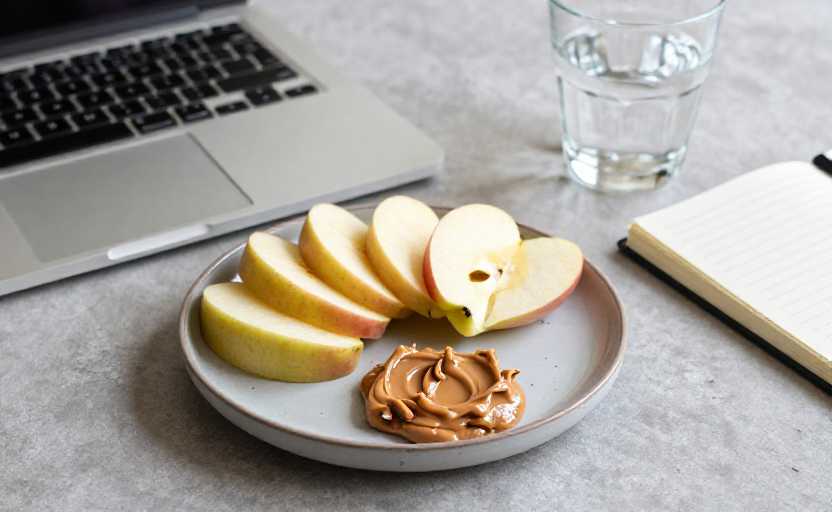
Many people also ask whether fruits are completely inedible, which makes the controversy even greater. Some sugar control bloggers say that people with diabetes should completely give up fruits. They think that even strawberries and grapefruits contain sugar and will cause blood sugar levels after eating them. ; However, most clinicians recommend that people with stable blood sugar control eat fist-sized low-GI fruits, such as strawberries, blueberries, grapefruits, and half an apple, between meals to supplement vitamins without causing large fluctuations in blood sugar. My neighbor Uncle Li did not dare to touch any fruit before and suffered from constipation for several months. Later, the doctor asked him to eat half an apple at three o'clock every afternoon. Not only did his blood sugar not rise, but the constipation problem was also solved.
In fact, after all, the dietary taboos for high blood sugar are never a cold list of forbidden foods. I have seen an old sugar patient who has controlled his blood sugar for 20 years. Occasionally, he will be greedy and eat half a piece of cream cake. The next meal, he will eat less staple food and walk for half an hour more, and his blood sugar will be very stable. Instead of looking at the online list every day and not daring to eat this or that, it is better to test your blood sugar two hours after a meal twice more to find out your body's tolerance, which is more reliable than any general taboo. After all, sugar control is a lifelong matter, and only by relaxing moderately can you persist for a long time.
Disclaimer:
1. This article is sourced from the Internet. All content represents the author's personal views only and does not reflect the stance of this website. The author shall be solely responsible for the content.
2. Part of the content on this website is compiled from the Internet. This website shall not be liable for any civil disputes, administrative penalties, or other losses arising from improper reprinting or citation.
3. If there is any infringing content or inappropriate material, please contact us to remove it immediately. Contact us at:
