
Diet taboos for gallbladder polyps
Avoid long-term intake of large amounts of high-fat and high-cholesterol foods, disordered eating rhythms (either starving to stomach pain or eating until full), long-term alcohol abuse or frequent consumption of high-sugar sweet drinks. Most of the other statements spread online such as "You must not touch eggs, seafood, and soy products" have no clear evidence-based basis. There is no need to overly restrict foods, but they may lead to malnutrition.
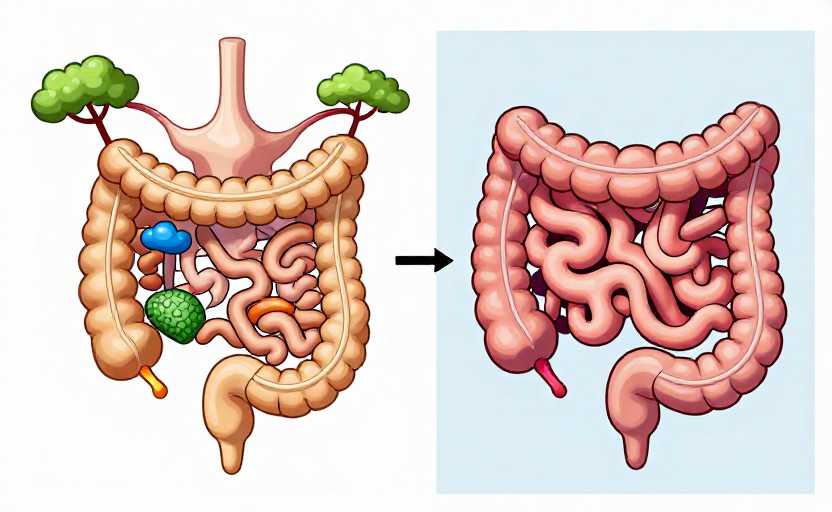
I just met a 32-year-old Internet programmer in the clinic last week. His physical examination revealed a 3mm gallbladder polyp. I searched a lot of contraindications on the Internet. For a whole month, I even picked out the egg yolks and threw them away. I only dared to boil green leafy vegetables. I didn't even touch my favorite shrimp. As a result, I went back for an ultrasound and found that the polyps were not small at all. He also told me that I have been feeling weak recently and I get distracted while staring at the code at work.
Regarding the intake of high-cholesterol foods, in fact, there is currently no completely unified clinical conclusion. One school of thought believes that more than 60% of gallbladder polyps are cholesterol polyps, which is directly related to the high concentration of cholesterol in bile and its precipitation on the gallbladder wall. Therefore, foods high in saturated fat and cholesterol such as fatty meats, animal offal, and fried foods must be strictly controlled. However, for ordinary eggs, shrimps, and salmon, it is perfectly fine to eat one whole egg or three to five shrimps a day. As long as you don't show off five or six eggs at a meal or eat braised pork every meal, there will be no problem. ; The other school of thought is more relaxed and believes that as long as the blood lipid level is normal, normal daily cholesterol intake will not directly lead to polyp enlargement, and there is no need to deliberately exclude such normal foods from the diet. But the consensus between both sides is very unified: the eating habits of eating fried chicken, boiling fat beef, and drinking fat butter soup are clear irritating factors for any type of polyps.
Don’t just focus on “what to eat” but ignore the more important “when to eat and how much to eat”. I had a patient who worked in corporate sales two years ago. After he was diagnosed with a 2mm polyp, he paid special attention to it. He even dared to wash the hot pot with water. However, the polyp increased to 5mm during the six-month review. It took me a long time to find out the reason: he often ran to meet clients in a hurry, often forgetting to eat at noon, and had to eat with clients until they were full at night, and sometimes had to catch a second late-night snack. To put it bluntly, the gallbladder is a "bile storage bag". If you don't eat at meal time, the bile stored in it cannot be discharged, and the concentration will become higher as it accumulates. ; If you eat too much at once, it will have to contract desperately to squeeze out the bile. After repeated tossing, the gallbladder wall will be irritated, and whether it is a cholesterol polyp or an inflammatory polyp, it will easily be "fed" to a larger size. This is a core taboo recognized by all clinicians, and it is a hundred times more important than whether you should eat egg yolks or not.
Oh, by the way, there are two "invisible sources of irritation" that many people tend to miss: alcohol and high-sugar sweet drinks. It’s hot in summer, and many people think I’ll be fine if I don’t eat fat. I drink tons of ice milk tea and ice beer on my way to get off work. In fact, high sugar will accelerate the body’s synthesis of endogenous cholesterol, and alcohol will directly disrupt the contraction rhythm of the gallbladder. These two factors are no less irritating to polyps than fat. Of course, that doesn’t mean you can’t take a bite. It’s perfectly fine to occasionally drink a cup of milk tea or half a glass of beer when friends are having dinner together. Just don’t drink it as water every day.
As for the statements posted online about not eating soy products, spinach, and chicken, they are really nonsense. I met an aunt in her 50s last year. After she was diagnosed with a 4mm polyp, she was so scared that she dared not eat anything. For half a year, she only dared to eat vegetables and white porridge. In the end, the polyps did not appear to be smaller. She was first diagnosed with iron deficiency anemia. She was so dizzy that she could not stand still. She really couldn't do it.
Finally, I will tell you the truth as I have been a general surgeon for more than ten years: the vast majority of gallbladder polyps are benign. There are no foods that "can turn malignant after just one bite", and there is no need to live with a food comparison chart every day. Eat a combination of meat and vegetables, make sure you are seven to eight cents full, and try to have three meals on time. Just do an ultrasound review once every six months to a year. If the polyps exceed 1 cm, consider surgical intervention. Don’t scare yourself. You won’t even be able to eat as much as you want, and the gains outweigh the losses.
Disclaimer:
1. This article is sourced from the Internet. All content represents the author's personal views only and does not reflect the stance of this website. The author shall be solely responsible for the content.
2. Part of the content on this website is compiled from the Internet. This website shall not be liable for any civil disputes, administrative penalties, or other losses arising from improper reprinting or citation.
3. If there is any infringing content or inappropriate material, please contact us to remove it immediately. Contact us at: