
Diet taboos for patients with liver disease
The only two categories that must be avoided 100% are alcohol and moldy food.; High-fat, high-sugar, high-salt processed foods and undercooked aquatic products/meats need to be strictly controlled. ; The remaining so-called "taboos" must be individually adjusted based on the stage of your illness. There is no one-size-fits-all general list.
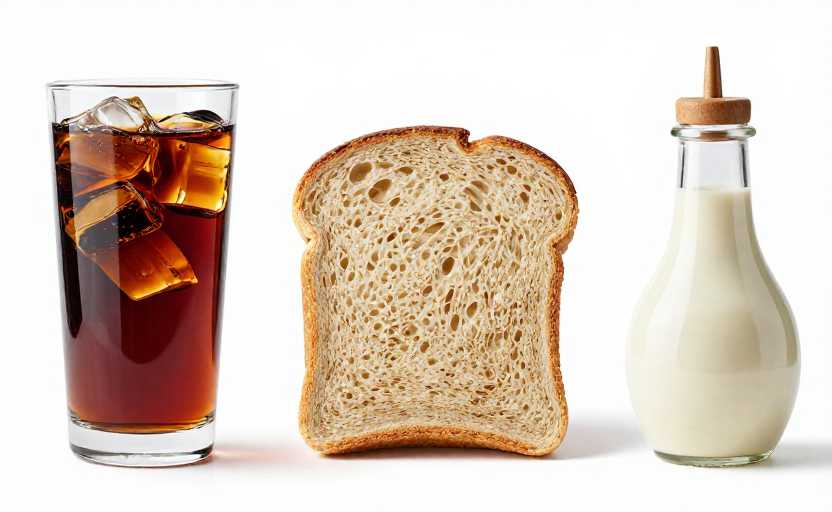
I know that some people will definitely use the statement that "cardiovascular departments say that a small amount of red wine softens blood vessels". I do not deny the difference in recommendations from different departments. However, for people whose liver cells have been damaged, whether it is red wine, beer, fruit beer or even alcoholic sparkling water, mash, or liqueur chocolate, as long as it contains ethanol, it must be metabolized by the liver when it enters the body. The acetaldehyde produced by metabolism will directly destroy the structure of liver cells. Even if you take just one sip, it will put a burden on the liver that is already working with disease. The year before last, I had a young man who had controlled hepatitis B for 8 years without any problems. After drinking three taels of white wine at a class reunion during the Chinese New Year, he immediately developed fulminant hepatitis and was admitted to the ICU. He almost needed a liver transplant. Do you think it is a good deal?
A more common scene than drinking is the habit of elders in the family who are reluctant to throw away things: if the peanuts grow a little moldy, rub them and then cook porridge; if an apple rots, dig out the rest and eat it; even if the rice has a musty smell after being left for a long time, it will be dried in the sun and then cooked. The aflatoxin in these foods is a clear first-class liver carcinogen, and the damage to liver cells is irreversible. Even 1 mg of intake has a risk of cancer. Don't believe in any folk remedies that "high temperature can kill aflatoxin". Ordinary cooking temperatures cannot destroy its structure at all. If you find moldy food, just throw it away in the bag. Don't worry about the money. If you really eat something wrong, it will cost hundreds or thousands of times to go to the hospital.
After talking about things that must not be touched, let’s talk about things that should be touched less. After many people get sick, their families always think about supplements. They stew bone soup, old hen soup, and fatty braised pork every day, saying that they want to supplement the patient's nutrition. In fact, the metabolic burden of these high-fat and high-cholesterol foods lies entirely on the liver. I met a patient with mild fatty liver disease last year. It was just diagnosed that the patient's family gave him stewed chicken soup every day. After drinking it for a week, he went for a review. The transaminase increased directly from 40 to 130, which actually worsened the condition. There are also pickles, candied fruits, prepared dishes, and Internet celebrity braised foods. The nitrites, preservatives, and food additives in these things need to be metabolized by the liver. It is okay to satisfy your cravings occasionally. If you eat them all the time, it will undoubtedly increase the workload of the liver. Oh, by the way, there are also drunken shrimps and drunken crabs, medium-rare steaks, and raw vegetables in salads that many people like to eat. Ordinary people may be fine eating them, but the immunity of patients with liver disease is generally lower than that of healthy people. Parasites and listeria contained in raw foods can easily cause infection and even induce acute liver damage. If you are really greedy and want to eat, you must go to a regular restaurant to ensure that the ingredients have been strictly quarantined and cooked as much as possible. Don’t take risks just for a bite.
As for the "You can't eat eggs with liver disease", "You can't eat soy products with liver disease" and "You can't eat bananas with liver disease" posts on the Internet, these statements really depend on the situation, and there is no unified answer at all. For example, high-quality protein is actually the core nutrient for liver cell repair. Ordinary hepatitis B carriers, mild fatty liver disease, and patients recovering from hepatitis should eat more high-quality proteins such as eggs, milk, fish, and shrimp to help liver cells recover. ; However, if it has progressed to the stage of hepatic encephalopathy, protein intake must be strictly controlled to prevent elevated blood ammonia from aggravating the condition. Another example is high-potassium foods such as bananas and oranges, which are perfectly fine for ordinary patients to eat. However, if they are patients with liver cirrhosis, ascites, and abnormal kidney function, their ability to excrete potassium is reduced. Eating too much may induce hyperkalemia and lead to arrhythmia. To be honest, what bothers me the most is that the patient did some popular science online and came back with random dietary restrictions. Last month, I had an aunt with cirrhosis of the liver. She read on the Internet that people with liver disease cannot eat protein. She only drank white porridge for three months in a row. In the end, the malnourished albumin dropped to 25, and the ascites could not be eliminated. Instead, she stayed in the hospital for more than half a month.
There is another misunderstanding that many people tend to fall into, which is to eat "liver-protecting supplements" randomly, such as Internet celebrity liver-protecting tea, ancestral liver-nourishing secret recipes, and imported liver-protecting tablets, all stuffed into the mouth, thinking that they are nourishing the liver. In fact, many Chinese herbal medicines and health products with unknown ingredients can induce drug-induced liver damage. Of course, I’m not saying that all Chinese medicines are bad. The liver-nourishing prescriptions prescribed by doctors in regular traditional Chinese medicine hospitals according to your condition are of course useful, but don’t blindly buy folk prescriptions to eat. I have met no less than 5 patients who suffered from acute liver failure after taking so-called “liver-protecting folk prescriptions.” It’s really a pity.
In fact, when it comes down to it, there are really not as many dietary taboos for liver disease as mentioned on the Internet. The core principle is not to add trouble to the already uncomfortable liver: don’t touch the toxic ones (alcohol, aflatoxin) at all, eat less of the burdensome ones (high-oil, high-sugar, high-salt processed products). The rest should be discussed with your attending doctor based on your own condition and review indicators. Don’t blindly limit food, and don’t overeat and drink. Eating well, drinking well, and having enough nutrition is the best foundation for recovery.
Disclaimer:
1. This article is sourced from the Internet. All content represents the author's personal views only and does not reflect the stance of this website. The author shall be solely responsible for the content.
2. Part of the content on this website is compiled from the Internet. This website shall not be liable for any civil disputes, administrative penalties, or other losses arising from improper reprinting or citation.
3. If there is any infringing content or inappropriate material, please contact us to remove it immediately. Contact us at: