
Nephrotic syndrome dietary taboos
Don’t eat too much salt to aggravate edema, don’t over-consume high-protein and high-fat foods that put a burden on the kidneys, people with impaired kidney function shouldn’t eat high-potassium and high-phosphorus foods, and don’t eat unknown health products and kidney-damaging drugs that claim to “tonify the kidneys.” All remaining requirements must be adjusted based on your own pathological type, kidney function, and current symptoms. If you completely copy the unified list of taboos on the Internet, you will most likely get into trouble.
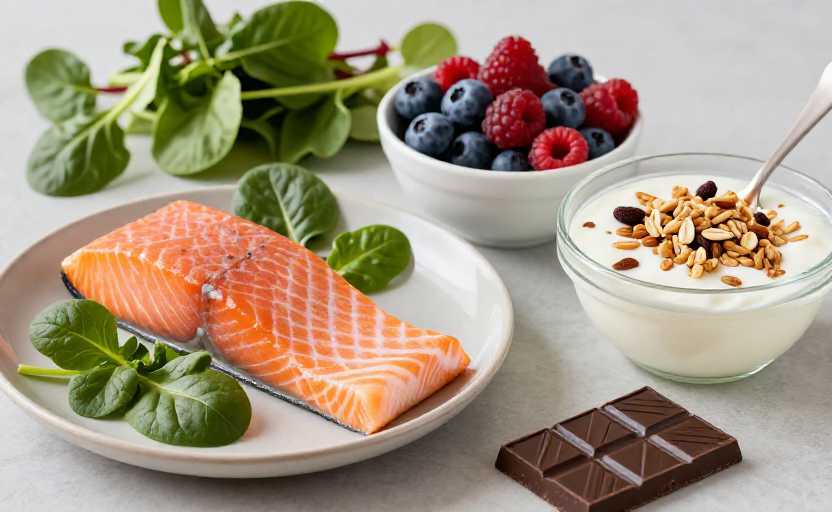
I met many patients who went to extremes during follow-up visits in the Department of Nephrology. Lao Zhou, a 38-year-old patient with membranous nephropathy, heard that he should eat a light diet when he was first diagnosed, so he stopped eating all meat, eggs, and milk. He only had white porridge and stir-fried cabbage. He lost 22 pounds in three months. During the reexamination, his 24-hour urine protein did not drop, and his plasma albumin was 2g lower than when he was diagnosed. He was so swollen that he couldn't even wear shoes. There was also a little girl who just went to college. She felt that she had to make up for the protein leakage. She took two spoons of protein powder + a sea cucumber every day and ate beef with soy sauce. In less than a month, her urine protein increased from 3g to 7g, and her blood lipids also soared to three times the normal value.
When it comes to edema, many people's first reaction is to strictly limit salt, and some people even eat salt-free rice. This is actually a misunderstanding. At present, academic circles generally recommend that patients with significant edema and high blood pressure should limit their daily salt intake to less than 3g (about the amount of a beer bottle cap). However, if your edema is very mild, your blood pressure is normal, and your 24-hour urine protein is stable below 1g, many clinicians will also relax the normal intake of 5g per day, as long as you do not touch invisible salt. OK - the sliced bread you grabbed in the morning in a hurry may seem sweet, but in fact it contains more than 1g of salt per 100 kilograms. If you eat two slices with a small pickle, the amount of salt for the day will exceed half the standard. There is also invisible salt in noodles, potato chips, and processed meat products, which is much deeper than the salt you put in cooking. If you really want to control salt, it is better to give up these processed foods first.
There is another controversial point: can soy products be eaten? The old view in the past always said that soybeans are plant proteins and have a lot of metabolic waste, which will increase the burden on the kidneys and make patients avoid all soy products. However, clinical research in the past few years has already updated the conclusion: soy protein is a high-quality protein, and the amino acid ratio is very consistent with the needs of the human body. As long as it is not eaten in excess (such as a cup of soy milk or about 100g of tofu per day), it is beneficial to blood lipid control and reducing urinary protein. Only patients with particularly high uric acid or allergies to soy need to avoid it. Many old patients around me who had been tabooing soy products for five or six years gradually added tofu under the guidance of doctors, and their indexes did not rebound. On the contrary, their complexion improved a lot.
You also need to be clear about the degree of protein intake: the glomerulus is like a small sieve with holes. If you stuff too much protein in, it is equivalent to putting extra pressure on the sieve, and the holes will only get bigger and bigger.; But if you don't eat any protein, your plasma albumin will never go up, your edema won't go away, your immunity will collapse, and you'll easily relapse when you catch a cold. The current mainstream guideline recommendation is to eat 0.8-1.0g of high-quality protein per kilogram of body weight every day. That is, a 60kg person should eat one egg, a 250ml bag of milk, and two taels of lean pork or fish a day. For severe hypoalbuminemia, the limit can be temporarily relaxed to 1.2g. Just don't take supplements blindly.
Don’t just focus on protein. Most patients with nephrotic syndrome have hyperlipidemia. They should eat less fatty meat, animal offal, crab roe, and fried foods. However, you don’t have to completely avoid oil. It’s okay to eat some unsaturated fatty acid oils such as olive oil and tea seed oil in moderation. If you completely cut out oil, lack fat-soluble vitamins, and catch a cold every three days, the gain will outweigh the loss.
As for the taboo of high potassium and high phosphorus that everyone often talks about, not everyone needs to abide by it. If your kidney function is completely normal, and your creatinine and glomerular filtration rate are within the reference range, you can eat fresh fruits and vegetables as you should without deliberately avoiding high-potassium foods such as bananas and oranges. Your kidneys can completely metabolize them. Only patients who have developed renal insufficiency and whose glomerular filtration rate has dropped below 60 need to pay attention to controlling the intake of high-potassium and high-phosphorus foods. I have met a patient who has reached stage 3 of kidney disease before. I heard others say that he should eat more oranges to supplement vitamins. He ate 3 oranges a day. In the end, his blood potassium reached 6.2, and he was sent to the hospital in the emergency department, which almost caused a serious accident.
Finally, let me mention a pitfall that many people tend to overlook: Don’t blindly take so-called “kidney-tonifying health products”. Cordyceps sinensis, Ganoderma lucidum spore powder, and various kidney-tonifying folk remedies have many unknown ingredients, which can easily cause drug-induced kidney damage. Also, don’t take antipyretics such as ibuprofen and aminopyrine when you have a cold or fever. When you go to the doctor, tell the doctor in advance that you have kidney disease and avoid prescribing kidney-damaging drugs. This is more effective than if you avoid a hundred foods.
Having said that, the diet for nephrotic syndrome is never one-size-fits-all. Don’t blindly compare it with the online list, and don’t just stop when the patient says you can’t eat it. It’s best to take your recent review report and find a doctor in charge or a nutritionist to tailor a plan. If you eat the right food, it will be more effective than taking two more pills.
Disclaimer:
1. This article is sourced from the Internet. All content represents the author's personal views only and does not reflect the stance of this website. The author shall be solely responsible for the content.
2. Part of the content on this website is compiled from the Internet. This website shall not be liable for any civil disputes, administrative penalties, or other losses arising from improper reprinting or citation.
3. If there is any infringing content or inappropriate material, please contact us to remove it immediately. Contact us at: