
Dietary taboos for proteinuria
Don’t blindly supplement protein to increase the burden on kidney filtration, don’t eat too salty foods that increase urinary protein leakage, and don’t use folk remedies and supplements with unknown ingredients that increase the risk of kidney damage. Apart from that, there are no things you absolutely cannot eat. All taboos must be adjusted flexibly based on your own kidney function and urinary protein quantification level. There is no need to follow the uniform recipes online.
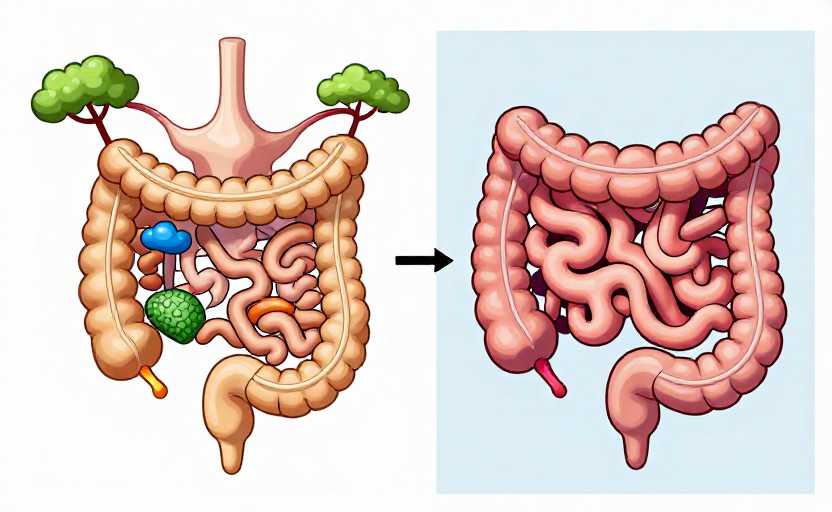
I have been in the nephrology clinic for almost 10 years, and the most common misunderstanding I have seen is that when many patients are found to have extra protein in their urine, their first reaction is "the protein leakage needs to be replaced quickly." They want to eat eggs and milk, or even buy extra protein powder to eat. In the end, the more they make up for the leakage, the more leakage they have. There was a 28-year-old young man with chronic nephritis. The initial test showed that the urine protein level was 1.2g/day, and his kidney function was completely normal. The elderly at home told him to make up for anything he missed, so he ate 5 eggs a day and a spoonful of animal protein powder. After half a month, he came back for a review. The urine protein increased to 2.1g, and the creatinine temporarily increased by more than ten units. In fact, the kidney is like a sieve with a hole in it. Your filtration function is already damaged, but if you continue to stuff too much protein into it, it is equivalent to constantly pressurizing the sieve. The hole will only get bigger and bigger, and naturally more leakage will occur. There are currently different references for protein intake standards: the mainstream KDIGO guidelines recommend that for proteinuria patients with completely normal kidney function, the daily protein intake should be controlled at 0.8-1.0g per kilogram of body weight. That is, a 120-pound person should eat 48-60g of protein a day, which is about 1 egg, 1 cup of 250ml pure milk, and a piece of lean pork as big as a palm. ; If renal insufficiency has occurred and the glomerular filtration rate is lower than 60ml/min/1.73m², the intake needs to be reduced to 0.6-0.8g per kilogram of body weight, and supplemented with ketoacid when necessary. Another controversial point is the "fat food" taboos often mentioned by traditional Chinese medicine, such as seafood, roosters, and carp. There is no concept of fat food in the Western medicine system, and there is no clear evidence-based evidence that such foods will directly increase urinary protein. However, there are indeed many clinical patients. Feedback, after eating this kind of food, the urine protein does fluctuate in the review, so there is no need to insist that you must eat it or not eat it at all. You can record your diet and review results yourself. If there is no abnormality after eating, eat normally. If there is a fluctuation, just avoid it temporarily.
What is more easily overlooked than protein control is the issue of salt. Many people only know to eat less pickles and cured meats, but fail to notice the pitfalls of invisible salt. There used to be a retired old man who only put a little salt in every meal he cooked at home. His blood pressure could not be controlled well, and his urine protein fluctuated. After asking for a long time, he said that he had to eat two pieces of fermented bean curd with porridge for every meal. The amount of salt in just two pieces of fermented bean curd is almost the recommended daily intake for adults. There are also takeaway braised chicken and spicy hotpot, a bag of ready-to-eat pickled mustard, and even the light soy sauce, chicken essence, and oyster sauce you add to your stir-fries contain more salt than you think. Normal people should not consume more than 5g of salt a day. For patients with proteinuria, it is best to limit the salt intake to less than 3g, which is about half a beer bottle cap. You can check the ingredient list before eating processed foods. If the sodium content exceeds 30% NRV, try to eat as little as possible. Eating too much will not only increase blood pressure, but also increase the filtration pressure of the kidneys and leak more protein in the urine.
Many people ask whether soy products should never be eaten. This is an old misunderstanding more than ten years ago. It has long been proven that soy protein is also a high-quality protein. As long as the total intake is controlled, it is perfectly fine for patients with normal kidney function to drink a cup of soy milk and eat a small piece of tofu. There is no need to avoid soy products when they see them. Instead, we must be extra vigilant about those unknown supplements that claim to "tonify the kidneys and reduce urinary protein." I once met a patient who took an "ancestral remedy for kidney disease" given by a relative in his hometown for half a year. His urinary protein did not decrease. Instead, he suffered drug-induced kidney damage, and his creatinine rose to over 300. There are also many people who are superstitious about eating whatever they want to replenish their health. They stew pork kidneys every day. Pork kidneys themselves are high in purine and cholesterol, and may also contain heavy metal residues. Eating too much will only put a burden on the kidneys and have no replenishing effect at all.
In fact, in the final analysis, there is never an absolute "blacklist" for proteinuria diets. You may be fine if you eat what others cannot eat, and you may have reactions to what others can eat. Follow your own body's reaction, which is much more reliable than relying on recipes online. Of course, if you are really not sure, it is better to ask a nephrologist or nutritionist to help you adjust the results with your recent urine protein quantification and renal function review results, rather than trying to figure it out on your own.
Disclaimer:
1. This article is sourced from the Internet. All content represents the author's personal views only and does not reflect the stance of this website. The author shall be solely responsible for the content.
2. Part of the content on this website is compiled from the Internet. This website shall not be liable for any civil disputes, administrative penalties, or other losses arising from improper reprinting or citation.
3. If there is any infringing content or inappropriate material, please contact us to remove it immediately. Contact us at: