
Diet taboos for bad stomach
The first priority is to avoid foods that will cause stomach pain, acid reflux, flatulence and other discomforts after eating them. The second priority is to avoid foods that have been clinically proven to generally damage the gastric mucosa and increase the burden of digestion. The "absolutely not to eat spicy/cold/sweet foods" spread on the Internet are all misunderstandings that are one-size-fits-all and do not need to be followed blindly.
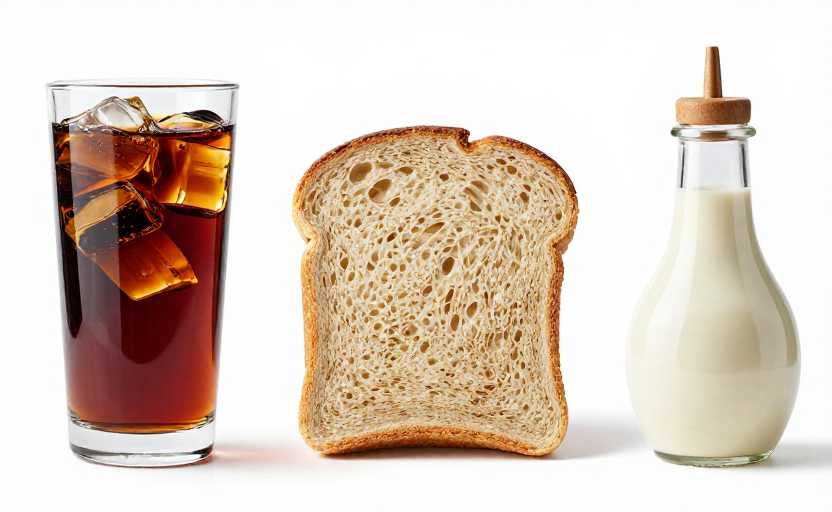
A while ago, I went to the gastroenterology department with a friend who had a gastric ulcer review. She had heard from the elderly at home that if you have stomach problems, you must avoid ice. Even watermelons must be warmed before eating in the summer. As a result, the old director who attended the clinic laughed after reading her gastroscopy report and said that the mucosa has completely grown. As long as she doesn't feel uncomfortable after drinking iced milk tea, it is perfectly fine to drink it once or twice a week, and there is no need to put so many shackles on herself. I still remember the way her eyes widened at that time, saying that she had spent half a year in vain without daring to drink ice.
Let’s start with the foods that are not controversial and should be avoided by all people with weak stomachs. The first is high alcohol. This is really out of the question. Alcohol will directly destroy the protective layer of the gastric mucosa. People with erosion and ulcers drink high alcohol. In severe cases, it may directly cause gastric bleeding. A friend of mine who has chronic gastritis was persuaded to drink two ounces of white wine at a dinner party, and he vomited blood and went to the emergency room that night. There are also high-salt pickled foods such as pickles, smoked fish, and bacon that have been cured for less than 20 days. The high osmotic pressure will directly damage the gastric mucosa, and the nitrite metabolites contained in them will also increase the risk of gastric lesions. Especially for people who have been diagnosed with atrophic gastritis, try not to touch these foods. Oh, by the way, there are also foods that are particularly hard and have sharp edges, such as freshly baked hard-shell sesame seed cakes, deep-fried crispy rice noodles, and uncooked dried noodles. A friend of mine who had superficial gastritis chewed half a bag of cold crispy rice noodles out of hunger, and the sharp hard residue directly tore through the gastric mucosa, causing bleeding and hospitalization.
Speaking of this, someone must ask, is the "can't eat spicy food or touch ice" that has been widely circulated on the Internet all rumors? Not entirely. This part is inherently controversial. Different medical systems and different types of gastric diseases have completely different requirements. Traditional Chinese medicine theory usually recommends that people with cold spleen and stomach should eat less raw, cold, and spicy foods to avoid depleting Yang Qi and aggravating discomfort. This is indeed applicable to many people with cold constitutions who have diarrhea after eating cold foods. ; However, the clinical guidelines of modern gastroenterology do not uniformly require all gastric disease patients to completely avoid cold and spicy foods. The core criterion is the individual reaction after consumption. For example, if it is the same iced Coke, some people will drink it without any problems, while others will get cramps and break out in cold sweats after drinking half a cup. The latter must be avoided, but there is no need to quit the former. There is also spicy food. Current research has confirmed that a small amount of capsaicin can actually promote the blood flow supply of the gastric mucosa. As long as it is not spicy enough to cause stomach pain and acid reflux immediately after eating, and is not in the stage of ulcer or erosion, there is no need to completely avoid spicy food. On the contrary, many people eat bland food every day in order to "nourish the stomach", and even lose their appetite. The nutrition cannot keep up with the stomach and it will not nourish the stomach well.
Oh, by the way, there is another pitfall that many people have stepped on: drinking white porridge every day to "nourish the stomach." This also depends on the situation. If you have just had stomach surgery, or are in pain during an acute attack of gastritis and are unable to eat, it is okay to drink warm porridge for a few days. However, if you only drink porridge and noodles every day for several months, the digestive function of the stomach will gradually deteriorate, and it is easy to suffer from gastric motility deficiency. My distant cousin had a stomachache and drank porridge for half a year. Later, she couldn't even digest a bowl of rice normally. During the reexamination, the doctor scolded her for a long time and asked her to slowly add whole grains and lean meat to the porridge to train her stomach's digestion ability.
Another point that is easily overlooked is that the taboos for different stomach problems are actually completely different. For example, people with reflux esophagitis should try to avoid sweet, sour, strong coffee and tea, otherwise it will aggravate acid reflux and heartburn.; But if it is just ordinary superficial gastritis without reflux symptoms, it is perfectly fine to eat a small cake and drink a cup of weak coffee occasionally. You really don’t need to follow the unified list on the Internet to eat. You can’t touch this and dare not eat that. In the end, you won’t get any nutrients and your stomach won’t feel better.
I myself have been suffering from superficial gastritis for three or four years. I heard people say that I shouldn’t drink coffee, so I stopped drinking it for more than half a year. Then I tried drinking decaffeinated coffee with milk, and I didn’t feel any discomfort after drinking it a few times. Now I can drink one cup a day. On the contrary, I forced myself to drink warm water every day, and even my appetite for food has been greatly reduced.
In fact, the stomach is a particularly "honest" organ. You know better than any doctor or any popular science list whether you feel comfortable eating something or not. You don’t have to listen to what others say you can’t eat and don’t dare to touch anything. Don’t insist on trying to “exercise your stomach” even though you know that eating spicy food will hurt you or drinking ice will make you bloated. Grasping these two points is much more useful than memorizing a dozen taboos.
Disclaimer:
1. This article is sourced from the Internet. All content represents the author's personal views only and does not reflect the stance of this website. The author shall be solely responsible for the content.
2. Part of the content on this website is compiled from the Internet. This website shall not be liable for any civil disputes, administrative penalties, or other losses arising from improper reprinting or citation.
3. If there is any infringing content or inappropriate material, please contact us to remove it immediately. Contact us at: