
Diet taboos for gallbladder adenomyosis
When many people are diagnosed with gallbladder adenomyosis, their first reaction is to search for "what they must not eat." In fact, according to the current clinical consensus, there are no 100% absolute dietary taboos for gallbladder adenomyosis. The three types of high-risk behaviors that require the most vigilance are long-term high-oil and high-fat diets, overeating, and long-term fasting. Most of the other taboos are individualized, and there is no need to apply one-size-fits-all.
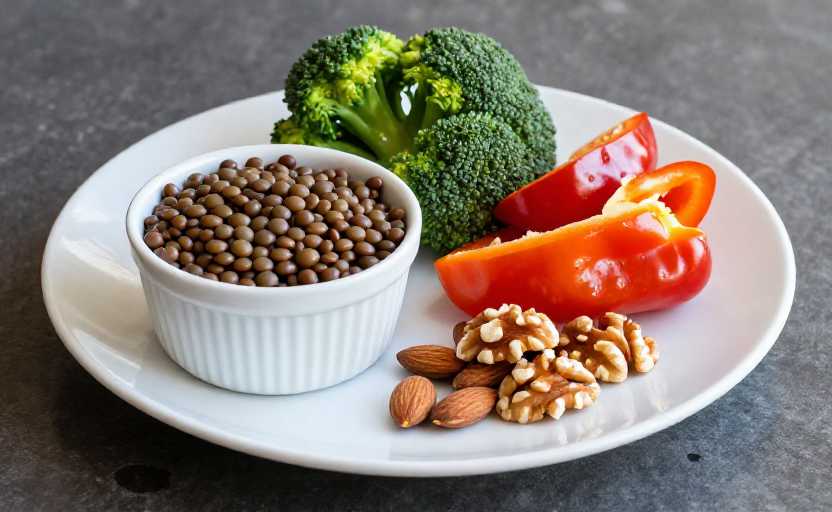
Speaking of which, I was particularly impressed by the two patients I met last week. A 38-year-old man was diagnosed with localized adenomyosis only half a year ago. After reading popular science online, he stopped eating eggs, seafood, and soy products. He lost 14 pounds in half a year. During the reexamination, not only did the adenomyosis not shrink, but his immunity was greatly reduced due to insufficient intake of high-quality protein, and he caught colds frequently.; Another 52-year-old aunt has been living with adenomyosis for almost 10 years. In addition to rarely eating fatty meat, she eats hot pot when she should, and drinks milk when she should. Her annual physical examination shows that her gallbladder condition is very stable and she has no symptoms.
Speaking of which, I have to mention two different treatment tendencies in clinical practice. Surgeons will often advise you to be more cautious. After all, they mostly treat patients with adenomyosis combined with stones and frequent cholecystitis who require gallbladder removal. They have seen many cases of people who eat and drink so much that they are rolling in pain. Not only will they try to avoid oil as much as possible, but if your adenomyosis is broad-based and there is a risk of malignant transformation if the thickness exceeds 1cm, they will even directly recommend that you have the surgery done and nothing else to do after that.; The Department of Gastroenterology and Nutrition prefers to "coexist with the disease". After all, more than 90% of gallbladder adenomyosis is benign hyperplasia. Many people live with the disease without ever having an attack. There is no need to make oneself like an ascetic because of a small problem, which will actually affect the quality of life.
Why are those three types of behaviors to be avoided as much as possible? In fact, the reason is very simple. The essence of gallbladder adenomyosis is that the gallbladder wall has a layer of thickened proliferative tissue, which is a bit like "folds" on the originally smooth inner wall of the gallbladder, which will affect the efficiency of gallbladder contraction and bile discharge. If you eat braised pork, fried skewers, and cream cake every day, your body will need a lot of bile to digest fats, and your gallbladder will not be able to discharge enough bile even if it contracts hard, which will naturally cause pain and even induce cholecystitis. ; If you sleep until noon on weekends and skip breakfast, bile will be held in the gallbladder for more than ten hours, and the concentration will become higher and higher. It will also repeatedly stimulate the hyperplasia, which may aggravate the condition.
There are also many people who ask me whether eggs can be eaten. I always ask back: Does it hurt if you eat it? There is really no need to treat eggs as a scourge. The lecithin in the yolk of boiled eggs is actually beneficial to bile metabolism. As long as you don’t feel bloated or painful in the upper right abdomen after eating it, it is perfectly fine to eat one egg a day. If you are really worried, eat less fried eggs and scrambled eggs. The oil on them has a much greater impact than the egg yolk itself. In the same way, milk, seafood, and soy products are considered "taboo" foods on the Internet. As long as you don't feel uncomfortable after eating them, you can eat them normally. I once met a patient who gave up eggs for three years, but his blood lipids soared because he ate too many carbohydrates, and he even developed a small gallbladder polyp. It was purely a loss outweighing the gain.
I usually give some advice to patients who come for follow-up consultations: Don’t memorize taboo lists. Make a small memo for yourself. If you feel uncomfortable in the upper right abdomen after eating something, just write down the food and eat less in the future. If you don’t have any reaction after eating, even if you are craving for hot pot or fried chicken occasionally, you don’t have to feel guilty. It is a benign disease that progresses very slowly. I dare not eat or touch anything every day. If I am not in a good mood, it will easily lead to other problems.
Of course, I don’t let you completely let yourself go. If you already have frequent symptoms of right upper quadrant pain and nausea, or if your adenomyosis is diffuse and has been combined with gallstones, you should still keep your mouth shut as much as possible. If you have frequent attacks, ask a surgeon to evaluate whether you need surgery. Don’t insist on eating and drinking and end up causing more troublesome problems. After all, everyone’s physique and condition are different. A diet that is suitable for others may not be suitable for you. There is no need to scare yourself, and there is no need to just ignore it.
Disclaimer:
1. This article is sourced from the Internet. All content represents the author's personal views only and does not reflect the stance of this website. The author shall be solely responsible for the content.
2. Part of the content on this website is compiled from the Internet. This website shall not be liable for any civil disputes, administrative penalties, or other losses arising from improper reprinting or citation.
3. If there is any infringing content or inappropriate material, please contact us to remove it immediately. Contact us at: