
Dietary taboos when taking Chinese medicine
There is no nationally unified "universal list of taboos" for taking traditional Chinese medicine. There are only three core logics for all dietary taboos: matching the current disease syndrome, not counteracting the medicinal properties of the medicine, and in line with personal tolerance. The "cannot eat spicy food, cannot eat spicy food, and cannot eat cold food" spread online are one-sided conclusions and cannot be generalized.
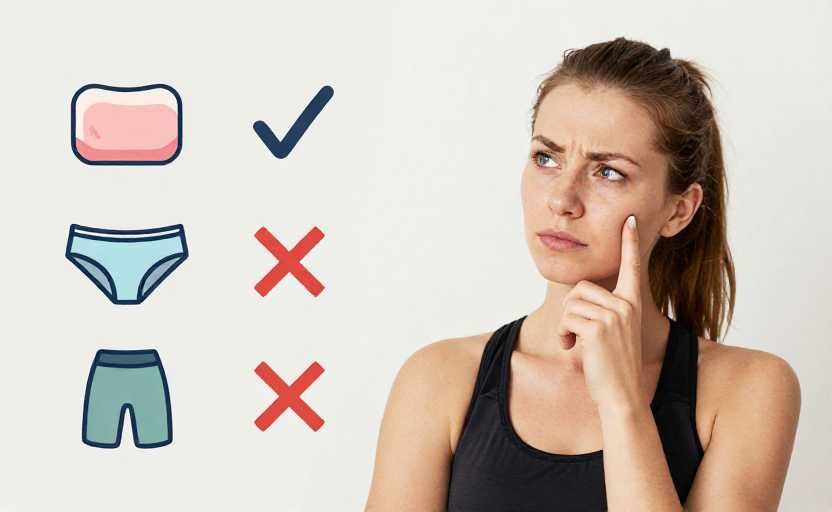
A while ago, I went with a friend to the Provincial Traditional Chinese Medicine Clinic to see an experienced gynecologist for treating dysmenorrhea. After prescribing prescriptions, my friend took out the list of "20 things to avoid when drinking traditional Chinese medicine" that had been saved for almost half a year and asked, saying that it said that even mangoes and eggs were not allowed to be eaten, and whether he could only drink white porridge with vegetables in the future. The old expert laughed for a long time while ordering the medicine and said that you have dysmenorrhea due to cold coagulation and blood stasis. All the medicines I prescribe for you are medicines to warm the yang and dispel the cold. The most important thing to avoid are iced milk tea and iced American style. If you are not allergic to mangoes and eggs, it is perfectly fine to eat them in moderation. There is no need to treat yourself harshly.
Don't think this is an exception. Interestingly, different schools of traditional Chinese medicine have different requirements for taboos for the same disease: For example, when treating a cold caused by exogenous wind and cold, most doctors from the traditional Chinese medicine school will tell you to finish drinking cinnamon twig soup and a bowl of hot porridge, and avoid cold and sticky foods. ; When doctors of the febrile disease school encounter patients with exogenous wind-heat, they will recommend eating more cool pears and lotus roots, as long as they are not too cold. Even heavy-fat meat soups can be reduced by drinking two sips of body fluid. As for the "foods" that everyone is most afraid of, they are not scourges. They are essentially foods that can easily induce old diseases and aggravate current symptoms. If you are treating allergic rhinitis or acute eczema, you should stay away from foods with high histamines such as shrimps, crabs, and mangoes to avoid aggravating itching and redness. ; But if you just deal with a weak spleen and stomach, you are never allergic to eating shrimp, and eating two boiled shrimps occasionally has no effect at all, so you can't impose a ban on yourself.
In addition to following the disease syndrome, taboos also follow the nature of the medicine you take. For example, if the doctor prescribes qi-tonifying medicines such as ginseng, dangshen, and astragalus, you should not chew raw radishes. After all, radishes weaken your qi. If you eat too much, all the qi you have replenished will be released, and your money will be wasted. But there are exceptions to this. I met a patient before. After drinking medicine to replenish qi and blood for half a month, her stomach became clogged and her stomach was so bloated that she couldn't sleep. The doctor specially asked her to take two mouthfuls of salted radish with each meal to smoothen her qi, which actually made her recover faster. There are more common ones: when drinking heat-clearing medicines such as Coptis chinensis, honeysuckle, and dandelion, don’t join in the excitement of butter hot pot and spicy crayfish. Hot foods will directly offset most of the medicinal properties. ; If you take yang-warming medicines such as aconite and dried ginger, don’t crave ice watermelon or drink ice sparkling water. Not only will the medicine be in vain, but it will also easily stimulate the stomach and cause diarrhea. I once had a colleague who just didn't believe in evil. He secretly drank half a cup of iced milk tea while taking Fuzi Lizhong Decoction to treat yang deficiency. He ran to the toilet three times that day and thought there was something wrong with the medicine. When he went back for a follow-up visit, he was scolded by the doctor before he became honest.
Oh, by the way, many people now say that "hair growth is a pseudo-concept of traditional Chinese medicine." In fact, there is no need to be black and white. It is true that modern medicine does not have the category of "promoting food", but there are indeed many patients in clinical observations who ate mutton and seafood when treating sores, swelling and acute inflammation, and the symptoms of redness, swelling and pain were significantly aggravated. This is not metaphysics. The essence is that the high protein and high purine of this type of food may aggravate the inflammatory reaction, which is just in line with the description of "producing food to activate fire and blood" in traditional Chinese medicine. I don’t believe that it’s not advisable to eat indiscriminately. I treat myself harshly with the list on the Internet. I don’t even dare to touch fruit at room temperature. There is no need. I have made this stupid mistake before when I was adjusting my spleen and stomach. I strictly abstained from all raw, cold, sour and sweet foods for a month, and I didn’t even dare to touch my favorite strawberry. When I mentioned it to the doctor during the follow-up visit, the doctor directly said that your spleen and stomach are much better. Eating two or three room temperature strawberries at a time is completely fine. Eating white porridge every day will not keep up with the nutrition, but will slow down the recovery.
To put it bluntly, there are really not that many taboos when drinking traditional Chinese medicine. If you are really unsure about what you can and cannot eat, it is better to ask the doctor more than anything else when prescribing medicine. Do not rely on a list that comes from nowhere on the Internet. In the end, your illness will not be much better. You will starve yourself to the point of becoming sallow and thin, which will be more than worth the gain.
Disclaimer:
1. This article is sourced from the Internet. All content represents the author's personal views only and does not reflect the stance of this website. The author shall be solely responsible for the content.
2. Part of the content on this website is compiled from the Internet. This website shall not be liable for any civil disputes, administrative penalties, or other losses arising from improper reprinting or citation.
3. If there is any infringing content or inappropriate material, please contact us to remove it immediately. Contact us at:
