
High blood sugar and high blood fat dietary taboos
Avoid hidden added sugars, excessive trans fats, excessive refined carbohydrates, and high-sodium diets. At the same time, do not believe in the extreme statement that "certain foods can lower blood sugar and fat." There are no foods that must not be eaten, only inappropriate amounts and ways of eating.
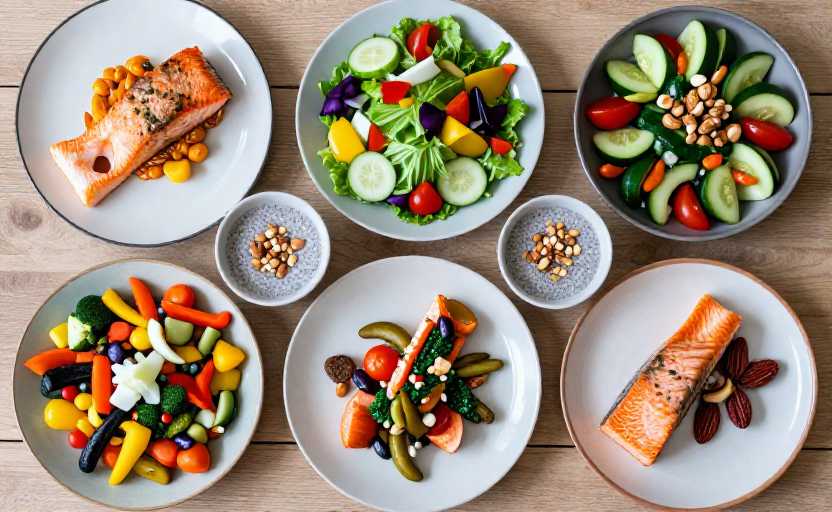
I met Uncle Zhang in the community a while ago. His fasting blood sugar during the physical examination last year was 7.2, and his triglycerides were twice the normal value. When he came back, he gave away all the rice and flour bags at home, and ate boiled vegetables and instant oats. He gritted his teeth and persisted for three months. When he went for a follow-up check, he found that his blood sugar dropped to 6.5, but his triglycerides increased by 0.3. He was confused. He said that I didn't even touch the sweet oil, so how could it still be high? Later, I looked through the ingredient list of the oats he bought, and the top three ingredients besides oats were maltodextrin and non-dairy creamer. They tasted awful when you took a sip, but in fact they were all invisible sugar- and fat-raising bombs.
Don’t think that only this kind of processed food has pitfalls. The sugar hidden in the home-cooked dishes we often eat is even more scary. There used to be an aunt who never ate sweets or drank milk tea, and her blood sugar was inexplicably high. After looking through her food diary, I discovered that every time she made braised pork, she would add three tablespoons of rock sugar to enhance the color. She ate it at least three times a week. There were more than ten grams of invisible sugar in a plate of meat. How could her blood sugar not be high? There are also fish-flavored shredded pork and braised pork ribs ordered for takeout, which may seem salty, but in fact, a lot of sugar is added to enhance the freshness. You don’t feel it when you eat them. The calories and sugar content have already exceeded the limit.
When it comes to dietary plans to control sugar and fat, there is actually no unified standard answer in the industry. Two endocrinologists I know, one advocates giving priority to refined carbohydrates and prescribing no more than 40% carbohydrates to the daily diet for patients with abdominal obesity. The other focuses on blood lipid metabolism and will recommend patients with excessive low-density lipoprotein to first reduce the amount of red meat such as pork, beef and sheep, and control the intake of saturated fat within 10% of total calories. There are many successful cases of both plans. The core is actually to fit the individual's physical condition. There is no need to argue about right or wrong.
Many people know that white rice and white noodles raise blood sugar quickly, but they don’t know that eating too much of even miscellaneous grains can cause problems. I once had an aunt who listened to a lecture and said that it is good to eat whole grains. She ate two big bowls of multigrain rice at a time. As a result, her blood sugar soared to 12 after the meal. In fact, whether it is polished rice or grains, the birth weight of an adult should be controlled at about 2 taels per meal. Beans and grains should account for one-third to half. You don’t need to eat all grains, and your stomach will not be able to bear it. There are also nuts that are popular among everyone. They are said to be healthy snacks, but the fat content is generally more than 50%. A small handful of about 15 grams a day is enough. I met a young man before who ate half a catty of almonds as a snack every day, thinking that he was not eating sugar anyway. As a result, his cholesterol level rose by 2 points after a month. I regretted it so much.
There are also high-sodium diets that many people tend to ignore, such as pickles, pickles, and heavy-tasting dishes in takeout. Too much sodium intake will not only increase blood pressure, but also affect insulin sensitivity, indirectly increase blood sugar, and slow down blood lipid metabolism. When controlling sugar and fat, many people only focus on sugar and oil and forget to eat less salty food, which is actually a big problem. Especially old oil that has been used for frying things over and over again that the elderly at home are reluctant to throw away. Oil used for frying meatballs and fish during the Chinese New Year has been used three or four times over and over again. The trans fat content has increased steadily. Using it for cooking has a greater impact on blood lipids than eating a meal of braised pork.
The most controversial issue is whether you can eat fruit. Some people say you should never touch fruit because it is sweet, and some people say you must eat more fruit because it contains vitamins. I usually give people who consult you two reference points: If your fasting blood sugar has been above 7 and after a meal has been above 11 recently, then just endure it first and eat yellow sugar. Melons and small tomatoes are used as substitutes. If your blood sugar has stabilized, is below 6 on an empty stomach, and does not exceed 8 after a meal, then eating low-GI fruits as big as your fist, such as strawberries, blueberries, and kiwis, between meals is absolutely fine.
I have helped dozens of friends with glycolipid abnormalities adjust their diets, and found that the two extremes that are most likely to go to are: one is not daring to eat anything, and eventually becomes starved, skinny, and has lost immunity; the other is not caring about anything, thinking that taking medicine will be enough, and continuing to eat and drink haphazardly. In fact, the best way is to "replace" rather than "forbid". For example, replace the full-sugar milk tea you usually drink with unsweetened pure tea with a small amount of milk, replace the shortbread you eat in the morning with whole-wheat toast without additives, and replace the braised vegetables with steamed or stir-fried. Change slowly, but you can stick to it for a long time, and the effect is much better than cutting off all "delicious foods" all at once.
To be honest, dietary taboos are never meant to make you a long "fasting list" to make you hesitant when eating. After all, you have to eat for a lifetime. Instead of memorizing what you can and cannot eat, it is better to pay more attention to your body's reaction. After eating something, your blood sugar will rise quickly, so eat less next time. After eating something, your blood lipids will be stable, you can make more arrangements, and cooperate with regular physical examinations. It is more reliable than copying any Internet celebrity recipe.
Disclaimer:
1. This article is sourced from the Internet. All content represents the author's personal views only and does not reflect the stance of this website. The author shall be solely responsible for the content.
2. Part of the content on this website is compiled from the Internet. This website shall not be liable for any civil disputes, administrative penalties, or other losses arising from improper reprinting or citation.
3. If there is any infringing content or inappropriate material, please contact us to remove it immediately. Contact us at: