
Diet taboos for liver cancer patients
The core dietary taboos for patients with liver cancer are "three must-avoids, and two must-eat with caution based on the situation." The must-avoids are alcohol, moldy foods, and foods high in nitrites. The ones that must be avoided are hard, prickly foods, and excessive high-protein foods. In addition, there is no one-size-fits-all absolute taboo list. Most taboos must be adjusted according to the stage of the disease and the body's response. Don't blindly believe in the "blacklist of dozens of anti-cancer foods that must not be eaten" uploaded online.
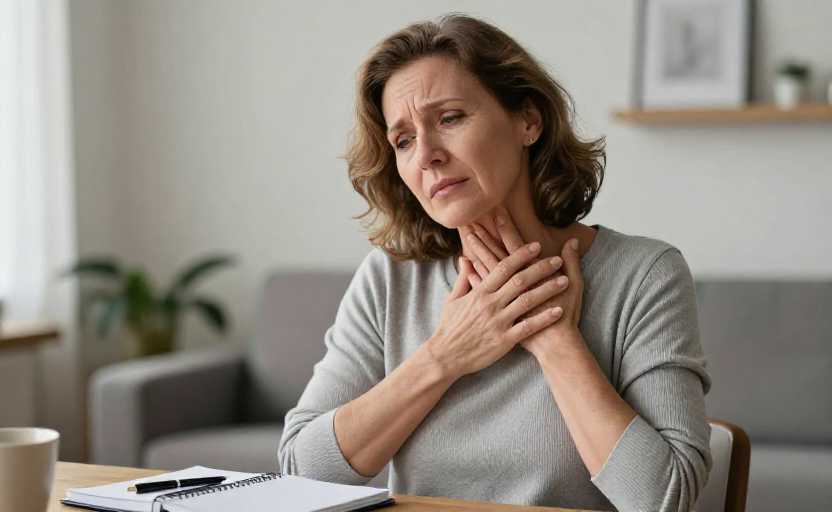
Don’t believe it, alcohol is really not allowed to touch even half a mouthful. Whether it is liquor, beer, medicinal wine or fruit wine claimed to be healthy, as long as it contains ethanol, it must be metabolized by the liver. The already damaged liver cells cannot bear the additional metabolic burden. I used to take care of a 62-year-old post-surgery patient, Lao Chen, who recovered very well. His indicators were all normal for half a year after he was discharged. In the summer, he secretly drank two cold beers, only half a cup each time. As a result, his transaminase jumped to 320 and his alpha-fetoprotein also jumped a lot. He stayed in the hospital for another ten days before it finally settled down. When he was discharged from the hospital, he slapped his thigh and said that he would never dare to be greedy again.
In addition to alcohol, moldy food is also a red line that cannot be touched. Needless to say, the carcinogenicity of aflatoxin is a first-level carcinogen that specifically targets and damages liver cells. The liver, which has its own basis for canceration, simply cannot withstand this stimulation. Many elderly people spend their whole lives saving money. When peanuts grow spots, nuts become bitter, and rice noodles grow green hairs, they cut off the bad parts and then eat them. I really have to advise them not to eat. The fungus hyphae have long penetrated into the entire food, and ordinary cooking cannot kill them at all. Last month during a follow-up visit, I met an aunt who couldn't bear to throw away the moldy corn grits that had been at home for half a year and cooked porridge for half a month. The alpha-fetoprotein had been stable below 5 during the previous follow-up visit, but that time it rose directly to 27, which scared the whole family. Fortunately, timely intervention did not cause any serious problems.
As for high-nitrite foods, such as leftover green leafy vegetables that have been stored for more than 24 hours, unpickled kimchi, and homemade sauerkraut that have been soaked for several years, these foods have high nitrite content. When they enter the body, they will increase the metabolic burden on the liver, and long-term consumption may also cause cancer risks. However, there is no need to be completely one-size-fits-all here. I have met many patients during the chemotherapy period. Their mouths were bitter and astringent, and everything they ate tasted tasteless. They just wanted to take a bite of home-pickled pickled radish to whet their appetite. In this case, it is perfectly fine to have one or two bites occasionally. Don’t blame yourself for not being able to have even a little appetite, as long as you don’t eat all the time or eat a lot.
Speaking of this, someone must ask, is it true that people with liver cancer cannot eat whole grains or fish? In fact, this falls into the category of "eat with caution depending on the situation" and it completely varies from person to person. If you have early postoperative surgery and do not have liver cirrhosis or esophageal and gastric varices, it is perfectly fine to eat some celery, cereals, crisp apples, etc. normally. It can also supplement dietary fiber and prevent constipation. But if you already have portal hypertension or esophageal and gastric varices, you must keep your mouth shut and avoid touching small fish with many fish bones, hard-shelled nuts, uncooked whole grains, and crispy hard rice balls. Once a varicose vein is scratched, it will cause massive bleeding in the upper gastrointestinal tract, which may lead to death. There was a family member who was very filial and thought that the patient needed nutritional supplements after surgery, so he specially stewed wild crucian carp. As a result, the fishbone scratched a blood vessel, and he vomited blood that night and was admitted to the ICU. It cost hundreds of thousands to save him. It was really a good intention but a bad thing.
Another controversial point is whether patients with liver cancer can eat high-protein foods? Some people say that eggs and seafood are "hair-producing substances" and eating them will accelerate the growth of cancer cells. Some people say that you need to supplement more protein to grow longer. Who do you listen to? It's actually very simple, it depends on your own liver function. If you have early postoperative surgery and your liver function is completely normal, then eating more high-quality proteins such as eggs, milk, fish and shrimp can promote the repair of liver cells, which is very good for recovery, and there is no need to avoid it at all. But if you have reached the advanced stage, your liver function is severely decompensated, and you have even developed signs of hepatic encephalopathy such as slow reaction and confusion, then you must strictly control your protein intake. Do not eat eggs or drink protein powder every day, otherwise it will increase the increase in blood ammonia and worsen the condition. As for what everyone often calls "fat food", Western medicine does not have this concept. As long as you are not allergic to it and don't feel uncomfortable such as bloating or nausea, you can eat it. If you believe more in traditional Chinese medicine, then just follow the doctor's advice from a regular tertiary Chinese medicine hospital and avoid eating it. There is no need to compete with both sides.
Many family members of patients also ask, can they take supplements such as ginseng and Ganoderma spore powder? And am I not allowed to eat sweet things at all? In fact, as long as you don’t have diabetes, it’s perfectly fine to eat some watermelon, strawberries, or even a small piece of cake occasionally to satisfy your cravings. There’s really no need to act like an ascetic. A good mood plays a much greater role in your recovery than you think. As for supplements, especially those health products and ancestral home remedies that claim to be “100% anti-cancer”, be sure not to buy them indiscriminately. Many of them are added with unknown ingredients, which will increase the burden on the liver. If you really want to supplement some nutrition and regulate your body, first ask your doctor in charge, taking into account your current physical condition, and don’t eat blindly.
In fact, after all, there are really not so many mysterious taboos on the diet of liver cancer patients as posted on the Internet. The core is to control the three red lines that must not be touched. The rest is to observe your body's reaction. If you feel bloated or uncomfortable after eating, don't eat it next time. It will be fine, so there is no need to make special taboos. After all, eating well and eating happily are the most basic foundation for fighting against diseases.
Disclaimer:
1. This article is sourced from the Internet. All content represents the author's personal views only and does not reflect the stance of this website. The author shall be solely responsible for the content.
2. Part of the content on this website is compiled from the Internet. This website shall not be liable for any civil disputes, administrative penalties, or other losses arising from improper reprinting or citation.
3. If there is any infringing content or inappropriate material, please contact us to remove it immediately. Contact us at: