
Chronic thyroiditis dietary taboos
Control your iodine intake in stages, avoid foods that will continue to induce autoimmune reactions, and do not consume large amounts of substances that interfere with thyroxine synthesis for a long time. The rest of the "no seafood" and "no cruciferous" statements spread online are all exaggerated claims.
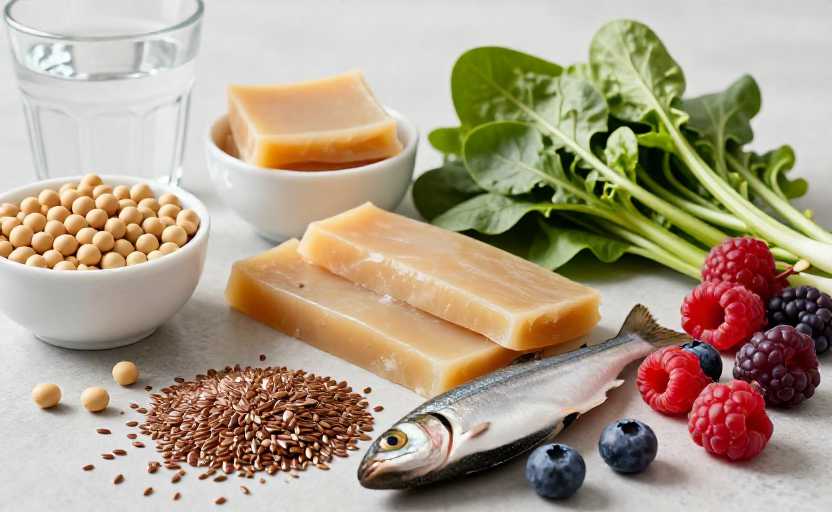
A while ago, I saw a 32-year-old Internet operator who was diagnosed with Hashimoto's 3 years ago. She heard online that she should give up iodized salt for two years. She ate iodized salt for two years and ate cold kelp every day to supplement her dietary fiber. Last month, her thyroid peroxidase antibody level increased from over 200 to over 1,000. Her neck was swollen more than before. When I asked her, I found out that she had fallen into the most common misunderstanding - she regarded "controlling iodine" as either total abstinence or eating indiscriminately.
Regarding the intake of iodine, there are indeed differences in the recommendations of different disciplines. The mainstream guideline of Western endocrinology is that Hashimoto patients with normal thyroid function can eat iodized salt normally and occasionally eat seafood 1-2 times a week. It is perfectly fine, as long as they do not eat high-iodine foods such as kelp and seaweed every day.; If you are in the hyperthyroidism stage and have obvious symptoms of palpitation, trembling hands, and heat intolerance, you should strictly limit iodine, eat non-iodized salt, and avoid all seafood. ; In the hypothyroidism stage, there is no need to blindly supplement iodine. Check urine iodine first. If the urine iodine level is low, then supplement appropriately. If the iodine level is already excessive, supplementing will increase the burden on the thyroid gland. Traditional Chinese medicine generally believes that high iodine is the cause of "gall disease", and it is usually recommended to reduce the intake of high-iodine foods. The two views are actually based on different intervention logics. You can choose according to your own stage and body reaction.
In addition to iodine, what many people tend to overlook are foods that stimulate immunity. This is also a controversial point in current research. Many studies now say that the proportion of gluten intolerance among Hashimoto patients is 3-4 times that of ordinary people. Long-term consumption of gluten may induce intestinal leakage, aggravate autoimmune reactions, and increase antibodies. However, some studies say that there is no clear cause and effect relationship and routine withdrawal is not required. My own experience after following up with patients is that if you feel bloated, dizzy, and feel weak every time you eat wheat products such as noodles and bread, or if you are found to be gluten intolerant, you can completely avoid trying it. Many people’s antibodies have really dropped a lot after quitting for 3 months, but if you don’t have any reaction after eating pasta, you won’t even dare to eat dumplings, and you will lose a lot of fun.
However, there is one type of food that is really recommended to be avoided, which is food high in sugar and trans fat, such as full-sugar milk tea, fried skewers, and shortbread bread. I have seen too many patients work overtime for a week in a row and rely on fried chicken and cola every day to survive. During the reexamination, the thyroid function went directly out of control, and the inflammation index also increased a lot. These things will directly aggravate the chronic inflammation level of the whole body. The thyroid gland is already inflamed, which is equivalent to adding insult to injury.
There is also a very widely circulated saying that "you can't eat cruciferous vegetables." You should avoid broccoli, cabbage, and bok choy. To be honest, this is really overkill. Only if you eat more than 2 pounds of raw cruciferous vegetables every day will you take in enough glucosinolates to interfere with the synthesis of thyroxine. A normal person will stir-fry half a plate of broccoli or make cabbage soup at one meal. After heating, most of the influencing substances have been destroyed, so there will be no problem at all. I have a Hashimoto friend who eats boiled broccoli every day to lose fat, and his thyroid function has been very stable after eating it for a year.
Finally, let me talk about a small detail that many people have not noticed, that is, do not drink large amounts of functional drinks containing high concentrations of caffeine and excessive alcohol for a long time. I have a patient whose thyroid function has always been very stable. Last time, he stayed up late for 3 days to watch football and drank 2 cans of functional drinks and half a dozen beers a day. After that, he developed obvious symptoms of hypothyroidism. When he checked for thyroid stimulating hormone, it rose to 12. It took him almost two months to adjust it back.
In fact, after all, there is no unified "standard answer" to the diet for chronic thyroiditis. There is no need to go through the list of taboos on the Internet. What is more important is to pay more attention to your body's reaction. If you feel your neck is tight, sleepy, or uncomfortable after eating something, just remember to avoid it next time. After all, what suits you is the most right.
Disclaimer:
1. This article is sourced from the Internet. All content represents the author's personal views only and does not reflect the stance of this website. The author shall be solely responsible for the content.
2. Part of the content on this website is compiled from the Internet. This website shall not be liable for any civil disputes, administrative penalties, or other losses arising from improper reprinting or citation.
3. If there is any infringing content or inappropriate material, please contact us to remove it immediately. Contact us at: