
food allergy cough
Cough caused by food allergy is essentially an irritating symptom caused by ingested allergens triggering a type I hypersensitivity reaction in the respiratory mucosa. It is neither a bacterial or viral infection nor chronic pharyngitis. As long as you avoid allergenic foods in time and cooperate with necessary anti-allergic intervention, it can usually be completely relieved in 3-7 days without leaving long-term respiratory damage.
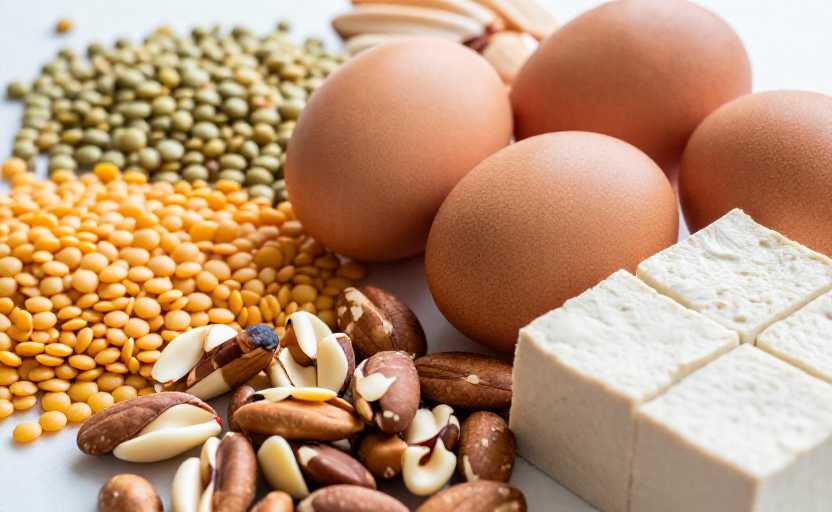
A while ago, a 4-year-old girl was picked up at the pediatric clinic. She had been coughing for almost 10 days without fever or sputum. She had tried antitussives, cephalosporins, and nebulizers for a round, but she had no improvement. Her mother was so worried that she would get pneumonia if she continued to cough. I asked about her diet before the onset of the illness for a long time, and then I remembered that my grandma had given her half a bowl of jackfruit on the day of the onset of the illness. She had never eaten it before. I asked her to stop all tropical fruits and prescribed some second-generation antihistamines. On the third day, my mother sent a message saying that the child basically stopped coughing.
Many people's understanding of food allergies is still limited to rashes, diarrhea, and swollen lips. They have no idea that what they eat will cause lung discomfort. In fact, our digestive tract and respiratory tract mucosa itself is a connected "defense front". If the allergens you eat are not completely decomposed in the digestive tract, sensitive immune cells will recognize the "foreign invader" and will quickly release inflammatory mediators such as histamine and leukotrienes, which will circulate along the respiratory tract. When the tracheal mucosa becomes edema and the smooth muscles contract, won't you start coughing? This kind of cough is mostly paroxysmal dry cough, which either gets worse half an hour to two hours after eating suspicious food, or coughs violently when lying down at night. There is rarely thick sputum, and there are no infection symptoms such as fever and fatigue.
Currently, there are actually two different ideas in the industry regarding the diagnosis of this type of cough. The standard of the traditional allergy department is that a serum specific IgE test must be done, combined with a food avoidance challenge test to draw a conclusion. After all, the challenge test is the gold standard, and there will be no misjudgments or missed diagnoses. It is suitable for patients who have been coughing repeatedly for two or three months and have no clue about the cause after searching all over. However, many clinicians feel that there is no need to go to war like this - if you are very clear that you cough every time you eat a certain type of food, such as coughing after eating fresh walnuts, just stop for two or three days, you can completely avoid it, and you don't have to take an injection and draw blood for testing. After all, testing also has limitations. The IgE index of many delayed-type food allergy will not increase at all, and the test will be in vain.
The worst thing is to take medicine randomly when you have a cough. I have seen many people who had a cough for a month or two. They changed three or four antibiotics and drank two or three bottles of cough syrup. In the end, they found out that they were allergic to wheat and stopped eating pasta for a week. It was pure suffering. Some people are particularly sure that "I have never been allergic to this before." Don't be so absolute. Allergy itself is a dynamic thing. If you stay up late recently, have just gotten sick, or have a big immune system fluctuation, the food you have eaten for decades may suddenly cause allergies. I have a colleague in the respiratory department who used to drink iced milk every morning. After drinking milk last year, he couldn't stop coughing. After taking it for more than three months, nothing happened again.
As for whether to use medication, there is no unified standard. If you only cough a few times occasionally and it does not affect your eating and sleeping, you can just avoid allergenic foods and wait for the inflammation to disappear on its own. This medicine is only three parts poisonous, so there is no need to take extra. But if the cough is particularly severe, you are wheezing when you lie down at night, and you are even unable to sleep, you still need to take antihistamines. For a few serious cases, you may need to use some inhaled corticosteroids for a short period of time to quickly suppress the inflammation, so as not to cause airway hyperresponsiveness, which will cause trouble.
By the way, don’t believe the “food intolerance IgG test” promoted by many institutions outside. If dozens of positive results are found, you will be told to avoid all foods. This is pure deception. It is now clear in the academic circles that there is no correlation between elevated IgG and coughs caused by food allergies. If you really want to check, go to a regular hospital to check for specific IgE. Don’t waste money.
In fact, food allergy cough is really not a big problem. The most difficult thing is to find the "culprit". Pay more attention to it and keep a food diary, which is better than any test.
Disclaimer:
1. This article is sourced from the Internet. All content represents the author's personal views only and does not reflect the stance of this website. The author shall be solely responsible for the content.
2. Part of the content on this website is compiled from the Internet. This website shall not be liable for any civil disputes, administrative penalties, or other losses arising from improper reprinting or citation.
3. If there is any infringing content or inappropriate material, please contact us to remove it immediately. Contact us at:
