
Food Allergy Benefits
From the mainstream definition of clinical medicine, food allergy is a type I hypersensitivity reaction caused by abnormal immune system function. It does not have any active and definite health benefits. Severe allergies may even cause laryngeal edema, anaphylactic shock and death. However, in recent cutting-edge immunology research and real-life feedback from a large number of allergic people, there are indeed many positive side effects caused by allergies. These effects are not the "default functions" of allergies, but more like special by-products accidentally brought out when the immune system recognizes the wrong target.
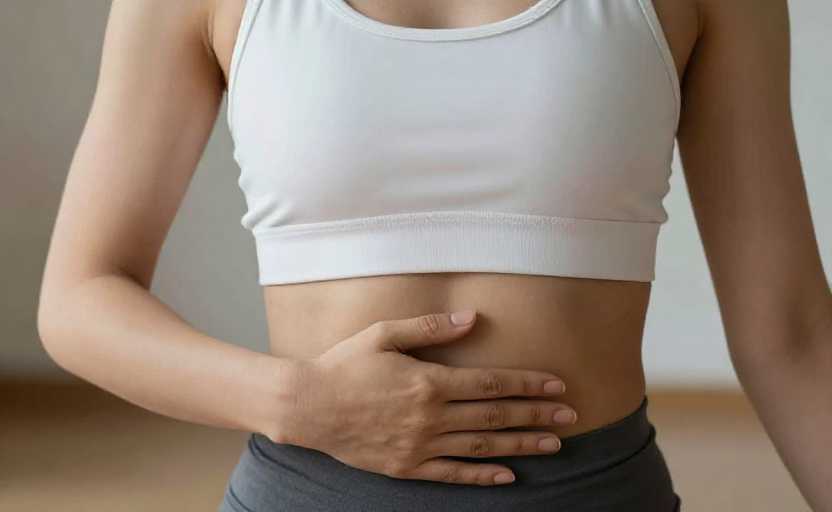
Pediatric allergy clinic doctors I know often say that every time after explaining allergy precautions to parents, there is always a parent who half-jokingly complains, "It's not all useless. My child is allergic to nuts. Since he was a child, no one dared to stuff him with snacks. In fact, he has fewer gastroenteritis episodes than other children." Don't tell me, there is really a lot of positive feedback from this kind of daily life. Fa Xiaozhou is allergic to mangoes. Growing up, no one would advise him to eat mango products during team building and friends gatherings. Two years ago, he ordered a batch of mango mousse for the company's anniversary. Most of his colleagues had diarrhea for two days after eating it because the mangoes were underripe and the cream went bad. Because he asked the customer service in advance about the cake ingredients, he directly changed it to other snacks, and nothing happened. There is also a former colleague who is allergic to milk protein and automatically avoids all milk tea with non-dairy creamer, milk caps made with hydrogenated vegetable oil, and high-sugar flavored yogurt. At thirty years old, her skin still looks like that of a college student, and she rarely suffers from closed-mouth acne. A nutritionist said that her free sugar intake is more than 60% lower than that of her peers. This kind of eating habit is an effect that many people cannot achieve if they deliberately control sugar.
The most interesting thing is the invisible benefits on the social level. A friend who is allergic to seafood told me that when he attended a wine party, no one ever persuaded him to eat raw pickled food or drink cold beer with seafood. "Last time I ate half a drunken shrimp and had to be rescued in the ICU for half an hour." It was better than any excuse. Even the person who persuaded him to drink had to go around him, which saved him countless social troubles. There are also many people with allergies who need to be constantly vigilant about allergens in food. The first reaction when buying prepackaged food is to look through the ingredient list. Over time, the additives such as sodium benzoate, potassium sorbate, and shortening are no longer known. The probability of buying low-quality processed food is much lower than that of ordinary people. Many people are also forced to become half-family nutritionists and cook their own meals without additives. On the contrary, their gastrointestinal condition is much better than that of their peers who order takeout every day.
These small benefits that ordinary people can perceive have also been noticed by the immunology community in the past two years. A 2022 study in the sub-journal of "Nature Immunology" showed that some people carrying food allergy-related IgE antibodies have lower immune response thresholds and are more sensitive to monitoring abnormal cells produced in the body than the general population. The incidence of some types of skin cancer in this group of people is about 14% lower than that in the control group. Of course, this research is still in the small sample trial stage, and the academic community has not yet reached a unified conclusion, but it at least shows that the immune characteristics caused by allergies are not all negative.
Of course, there are huge differences among different groups regarding the statement "food allergies are good". Most clinicians belong to the "risk-first group" and believe that these so-called benefits can be achieved by actively avoiding unhealthy foods, learning health knowledge, and learning to refuse social solicitation. There is no need to risk shock by relying on allergies. Every year, there are patients in the outpatient department who go to the emergency department because they do not take allergies seriously and eat allergen foods casually. This risk is far greater than the dispensable side benefits. Many people with mild allergies are "optimists" and feel that since allergies cannot be cured, it is better to look at the small convenience it brings, which is worse than being emo every day because they cannot eat certain things.
Last time I chatted with the director of the allergy department, he said that after so many years of medical practice, the most common "allergy benefit" I have seen is that people care more about their body boundaries than ordinary people: they know what they can't touch, and they know not to carry it when they feel uncomfortable. On the contrary, they know how to take care of themselves better than people who dare to eat anything and hold on to any social activities. Oh, by the way, he specifically added: If given a choice, no one would want to have this problem. These so-called benefits are essentially the same as if you fell and just avoided a flower pot falling from the sky - don't take the initiative to throw it to the ground to avoid the flower pot. If you really have a severe food allergy, you should keep your epinephrine pen in your pocket. Don’t risk your life.
Disclaimer:
1. This article is sourced from the Internet. All content represents the author's personal views only and does not reflect the stance of this website. The author shall be solely responsible for the content.
2. Part of the content on this website is compiled from the Internet. This website shall not be liable for any civil disputes, administrative penalties, or other losses arising from improper reprinting or citation.
3. If there is any infringing content or inappropriate material, please contact us to remove it immediately. Contact us at: