Foods you should not eat if you are allergic to seasonal changes
During the seasonal allergy attack period, the first thing to avoid are high histamine foods, photosensitive foods, and allergen foods that you have a clear record of intolerance to. Don’t believe the “uniform taboo list” posted on the Internet. The things that everyone needs to avoid are actually quite different.
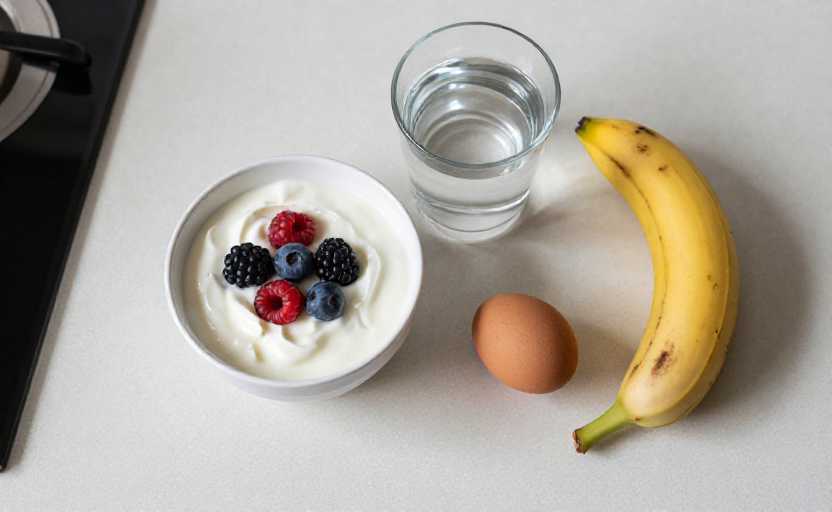
Last week, my best friend Chun Min had a serious problem. Her cheeks were as red as if she had been slapped twice, and she also had a small rash. I read a blogger who said that allergies should avoid "hair products" at all. She didn't even dare to touch the steamed seabass she usually eats, which was perfectly fine. She ate white porridge and vegetables for three days, but the itching made her unable to sleep all night. It didn't get better at all. Later, when I went to the hospital for a checkup, I found out that she was allergic to ragweed pollen. Instead, she had to avoid cantaloupes and bananas that have cross-allergic reactions with ragweed. They have nothing to do with seafood. After stopping tropical fruits, most of them were gone in three days.
Let’s start with the high-histamine foods that many people have never heard of. When an allergy occurs, the histamine level in the body is higher than usual. Symptoms such as dilated blood vessels, red and itchy skin, runny nose and sneezing are mostly caused by histamine. If you eat a bunch of foods that are rich in histamine at this time, it will basically add fuel to the inflammation. For example, leftovers that have been stored for two or three days, blue cheese and bean curd that have been fermented for more than half a year, as well as mackerel and tuna from the deep sea, and even red wine that has been opened but not finished and has been stored in the refrigerator for two or three days, all fall into this category. However, in recent years, some opinions from the nutritional field have suggested that if your allergy symptoms are only mild nasal itching and sneezing, you will not feel uncomfortable eating these foods. ; But if you have already developed hives and your face is so swollen that you can hardly open your eyes, it is better to endure it for two weeks first.
Then there are the photosensitive foods that everyone is most likely to fall into. Ultraviolet rays are much stronger in spring than in winter, and the skin barrier during the allergic period is as thin as window paper. If you eat too much amaranth, shepherd's purse, or celery at this time, or drink lemon and honey water every day to whiten your skin, or go out in the sun for more than ten minutes, you will easily develop solar dermatitis, and the number of red rashes will be doubled than usual. I met a patient two years ago in the spring. He was only slightly red due to spring sensitivity. I heard others say that he drank lemon water to whiten his skin. He soaked in two fresh lemons every day. He went to the countryside for a walk on the weekend and his face was swollen into a doughy bun when he came back. It took him less than half a month to heal. However, some dermatologists have mentioned that if you don’t go out at all during the allergy period and stay indoors with the curtains drawn and work every day, it’s okay to eat some light-sensitive vegetables. You don’t have to cut them all off the table. After all, shepherd’s purse dumplings and cold celery are quite delicious.
Another thing that is most easily overlooked is foods that cross-react with your inhaled allergens. Many people think that an allergy is only called a food allergy if you get a rash immediately after eating something. In fact, this is not the case. For example, for people who are allergic to wormwood, eating peaches, celery, and coriander may aggravate rhinitis symptoms. ; For people who are allergic to ragweed, touching cantaloupe and bananas can easily aggravate skin itching. ; People who are allergic to dust mites may also develop urticaria if they occasionally eat conches and crabs. I used to have an old patient who had allergic rhinitis and had to get infusions every autumn. He avoided seafood every year for five or six years to no avail. Later, he accidentally discovered that his rhinitis worsened every time he ate crispy peaches. After checking the cross-allergens, he found out that it was the homologous protein of mugwort. After stopping peaches, his rhinitis symptoms were reduced by half, and he even skipped several boxes of anti-allergy medicine.
Don't blindly believe in the saying that "you must avoid milk and eggs if you are allergic". Unless you have done an allergen test and clearly know that you are intolerant to these two types of food, blindly avoiding these foods for a long time will make your immunity decline faster and your allergies will heal more slowly. I met a parent a while ago who took his 5-year-old child to see his allergic cough. He said that the child had been on a diet of milk and eggs for half a year, but the cough was not cured and the child was half a head shorter than his peers. It was completely unnecessary.
To put it bluntly, there is no universal list of things to avoid during the seasonal changes. You may not be able to touch things that others say you can’t eat, and things that others say are fine may make them worse if you eat them. The most reliable thing is to keep a food diary. If your allergies suddenly worsen after eating something on a certain day, just write down those items and avoid them next time. ; If you are really unsure, going to the hospital to check allergens and cross-reactions is much more effective than blindly following the list on the Internet.
Disclaimer:
1. This article is sourced from the Internet. All content represents the author's personal views only and does not reflect the stance of this website. The author shall be solely responsible for the content.
2. Part of the content on this website is compiled from the Internet. This website shall not be liable for any civil disputes, administrative penalties, or other losses arising from improper reprinting or citation.
3. If there is any infringing content or inappropriate material, please contact us to remove it immediately. Contact us at: