
Kindergarten food allergy theme
The core of preventing and controlling food allergies in kindergartens has never been to ban all allergenic foods "one size fits all", but to establish a three-dimensional protection system of "home-school collaboration + grading plan + accurate identification", while taking into account the dietary diversity needs of children without allergies.
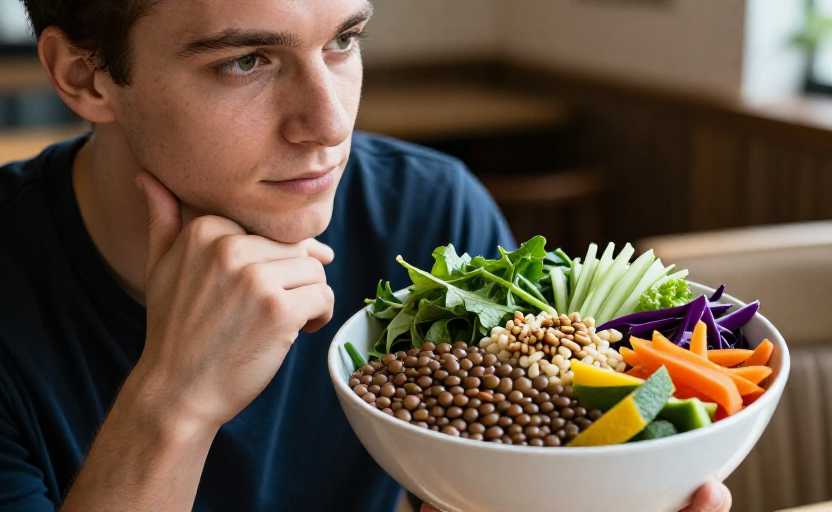
Last week, I went to the district-affiliated public park where my best friend works to help sort out the health files of new students. As soon as I entered the health room, I heard a commotion in the corridor outside - two parents from the small class were arguing with the director of child care. One said that their child was severely allergic to mangoes and would be sent to the ICU if he took one bite. He asked the whole park not to purchase mangoes in the future.; Another one immediately exploded, saying that his children have been eating mangoes every week since childhood, and the effect of vitamin A supplementation is much better than carrots. Why should dozens of children be deprived of the right to eat fruit for one child?
This is a dilemma that almost all kindergarten teachers in charge of meals will encounter. The demands of both sides are valid, and the difficulty lies in finding a balance. Nowadays, many kindergartens go to extremes to save trouble, either by removing all high-risk foods such as milk, eggs, nuts, seafood, and mangoes from their purchase lists, euphemistically calling them "zero-risk prevention and control." I once went to a private kindergarten that specializes in high-end childcare to do food education research. Their kindergarten had not bought eggs for three years. Several children had no problem eating egg yolks before entering the kindergarten. However, they broke out in hives when they touched a whole egg for the first time when they were 3 years old. The 2023 survey data from the Chinese Center for Disease Control and Prevention is here: the prevalence of food allergies in children aged 3-6 is about 5.8%, of which less than 1% are severe allergies that can actually cause shock and laryngeal edema. This kind of all-category ban is essentially using the dietary diversity needs of 99% of children to cover less than 1% of the risk. On the contrary, it is not in line with the natural laws of children's immune development.
There is another extreme that is even more outrageous, which directly puts all the responsibility on the parents. All children with a history of allergies must bring their own meals, and no special treatment will be done in the kindergarten. There was a news story in Jiangsu and Zhejiang two years ago. A child with a milk allergy in the middle class took the wrong milk-flavored steamed buns from the child next to him. After taking half a bite, he started to gasp. The kindergarten did not even prepare the most basic allergy first-aid medicine. It had been more than 20 minutes by the time he was sent to the hospital. Fortunately, he was rescued in time and nothing serious happened.
When it comes to this, it must be said that there is no unified standard answer in the industry. The two mainstream ideas have their own applicable scenarios: One school focuses on "zero allergen admission", most of which are promoted by high-end private kindergartens. They have a small student population and a teacher-to-child ratio of 1:3. They sign informed consent forms with all parents in advance, and eight categories of allergy-prone foods are banned for all members. Parents who choose this kind of kindergarten go for ultimate safety, so naturally no one has any objections.; The other school is "moderate exposure + plan to protect the environment", which is the direction recommended by most public parks and pediatric immunologists. Normally supplying various foods, but doing allergy screening and emergency preparation in advance can help most children with mild to moderate allergies gradually build tolerance, and will not affect the richness of the diet of ordinary children.
Don't tell me, the method my best friend came up with is quite practical. The first thing a new student needs to do when entering kindergarten is to fill out an allergy file. It’s not just “allergic to milk.” It needs to be detailed to include lactose intolerance or milk protein allergy, whether the allergic reaction is a rash or breathlessness, whether there is an epinephrine auto-injector at home, and who the second emergency contact person is besides the parents. When sharing meals, the meals for children with allergies are served on bright orange special plates, which are sent to the class after being checked one by one by health doctors. A notice will be sent to parents three days before eating high-risk foods such as mango and shrimp. Parents of children with allergies can choose to bring their own replacement meals, or the kindergarten can prepare replacement meals of equal value in advance. For example, on the day of eating shrimps, stew chicken drumsticks for the allergic children, no one will feel wronged. The kindergarten also conducts allergy first aid training for all teachers twice every semester. The health room always has two epinephrine pens. Teachers will also keep an eye on the children to prevent them from feeding each other during snacks. The kindergarten has not had a single allergic safety accident in almost five years since its opening.
When I accompanied my sister to take my nephew to kindergarten, I met a very professional teacher. At that time, my sister said that the baby had a milk allergy. The other person's first reaction was not to ask, "Then should we not buy anything containing milk in the future?", but to ask, "Is it a milk protein allergy?" Do you usually drink deeply hydrolyzed milk powder or amino acid milk powder? Will there be any reaction if I eat biscuits containing milk? ”, my sister decided to apply for this kindergarten on the spot, saying that she only wanted this major, which was much more reliable than those who came up and said, "Don't worry, our kindergarten prohibits milk."
To be honest, there is no one-size-fits-all template for this matter. Some kindergartens only have 20 or 30 children, and the teachers can tell each child's taboos. It would not have any impact if they banned allergenic foods.; Some kindergartens have hundreds of babies, and there are twenty or thirty registered babies with allergies. You can't just ban most common foods and let all the babies eat cabbage and radishes every day, right? As long as we can stick to the bottom line of "not gambling with the safety of the child, nor kidnapping the majority with the needs of the few" and consider it from the perspective of both parents, we can always find a suitable solution. After all, everyone's original intention is to hope that the child will eat happily and safely in the garden.
Disclaimer:
1. This article is sourced from the Internet. All content represents the author's personal views only and does not reflect the stance of this website. The author shall be solely responsible for the content.
2. Part of the content on this website is compiled from the Internet. This website shall not be liable for any civil disputes, administrative penalties, or other losses arising from improper reprinting or citation.
3. If there is any infringing content or inappropriate material, please contact us to remove it immediately. Contact us at:
