Food protein allergy supplements
There is no need to deliberately delay the introduction of complementary foods, clearly avoid confirmed allergens, gradually introduce various foods according to normal development rhythm, and prioritize the intake of core nutrients such as iron and high-quality protein. This will not affect growth and development, but can help babies gradually establish food tolerance.
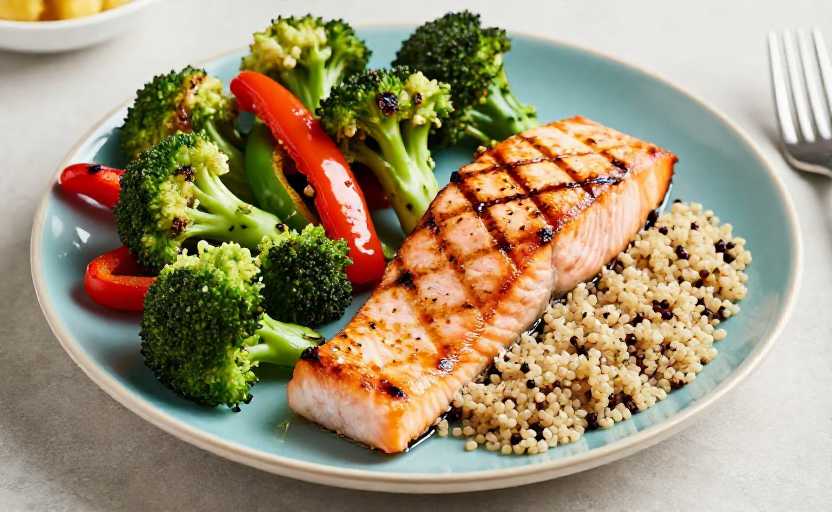
When my best friend's baby was first diagnosed with cow's milk protein allergy, the elderly at home insisted on delaying the introduction of complementary foods until eight months, saying that he was afraid that adding it too early would aggravate the allergy. As a result, during the six-month physical examination, the baby's hemoglobin was only 102, which was already a mild iron deficiency anemia. Later, according to the allergist's guidance, he added dairy-free iron-fortified rice flour on the day he turned six months old, and slowly added pork puree, green vegetable puree, and pumpkin puree. The value was restored in two months without inducing allergic reactions.
Regarding the timing of adding sensitive foods, there are actually different voices in the academic community: the older generation of pediatricians may recommend that highly sensitive foods such as eggs, seafood, and peanuts be added until the age of 1 or even 3 years old to avoid stimulating the immune system and inducing new allergies.; However, the latest evidence-based medical research, as well as guidelines from the WHO and the Chinese Pediatric Allergy Group, believe that as long as there is no clear allergy to such foods, you can gradually try them in small amounts after 6 months of age. Introducing them before 1 year old can stimulate the immune system to build tolerance and reduce the risk of long-term allergies. I once met a mother whose baby was found to have a mild to moderate allergy to eggs when she was a child. She strictly avoided the baby for two years, but she still broke out in hives all over her body when she touched eggs for the first time when she was 3 years old. Later, she went to a specialist for oral tolerance induction. She started with millet porridge dipped in egg liquid and slowly increased the amount. After half a year, she was able to eat whole eggs normally.
Oh, by the way, when it comes to allergen testing, I have to mention here that many parents do a full set of allergen testing for their children right away. In fact, it is not necessary. Especially for children under 1 year old, the immune system is not fully developed. There are particularly many false positives in the IgE test, and it is found that they are allergic to a certain food. "Allergy" may actually cause no reaction at all after eating it, but may easily mislead you to avoid the food too much. Of course, if your child's allergic reaction is particularly severe and he or she wheezes or has a swollen face as soon as he eats something, you should still get it checked. Just ask your doctor for details. After all, each child's situation is different.
There is no need to be overwhelmed when adding complementary foods. Only add one new food at a time and eat it for 3-5 consecutive days. If there is no rash, frequent vomiting, diarrhea, or incessant crying, you can add the next food. If you only have a little redness at the corners of your mouth and one or two small eczema after eating it, but you don’t have difficulty breathing or swelling all over your body, you don’t have to put this food on the blacklist directly. Now many allergists will suggest that you can reduce the amount and continue feeding it, observe and observe, and you will gradually tolerate it in many cases. Of course, if the reaction is serious, you must stop immediately and go to the hospital.
The pitfall that many parents fall into is over-avoidance. Last time I met a grandma at child care who brought her 10-month-old baby for a physical examination. Her face was sallow and her growth curve had dropped below the 3 percentile. After asking, I found out that the baby was only mildly allergic to milk protein. As a result, the grandma did not even dare to touch soybeans, wheat, and nuts, and only gave her plain porridge every day, saying that she was afraid of eating the wrong food. In fact, it is completely unnecessary. As long as she has not eaten any food that is clearly allergic, you can try it normally. There are also "allergy-free food supplement packs" sold online specifically for babies with allergies. I have seen many ingredient lists. They are pure rice and pure pumpkin without any added nutrients. They are several times more expensive than ordinary food supplements. It is really an IQ tax. It is good to make fresh ones at home. If you are afraid of stepping on the wrong side, just read the ingredient list twice when buying commercially available food supplements. Don't buy ingredients that your child is clearly allergic to, such as milk or eggs.
Another point that everyone easily overlooks is that babies with allergies, especially those with milk protein allergies, are prone to lack of high-quality protein and calcium. If they cannot drink ordinary formula milk, they must drink deeply hydrolyzed or amino acid formula milk under the guidance of a doctor. They should also add more red meat, pork liver and other high-iron and high-protein foods to their complementary foods. Don’t just give them vegetables, leaves and porridge. Otherwise, the nutrition will not keep up, and the baby will not grow well and have poor immunity, which will make the baby more likely to fall into a vicious cycle of allergies.
In fact, you don’t need to be too anxious about raising a baby with allergies. Many allergic babies I have come into contact with can tolerate most common foods by about two years old and can keep up with their growth and development as long as they add reasonable complementary foods. When you are really unsure, don’t blindly search for fragmented posts on the Internet. Directly call a pediatric allergy clinic and find a professional doctor to tailor a plan for your baby. This is better than anything else.
Disclaimer:
1. This article is sourced from the Internet. All content represents the author's personal views only and does not reflect the stance of this website. The author shall be solely responsible for the content.
2. Part of the content on this website is compiled from the Internet. This website shall not be liable for any civil disputes, administrative penalties, or other losses arising from improper reprinting or citation.
3. If there is any infringing content or inappropriate material, please contact us to remove it immediately. Contact us at: