
High blood sugar dietary taboos
High-sugar and high-starch foods with a glycemic index (GI) of more than 70 and a single-eating glycemic load (GL) of more than 20, processed foods with a large amount of added free sugar, and high-fat and high-trans-fat foods that will additionally reduce insulin sensitivity. Apart from this, there is no absolute dietary blacklist, and more taboos are actually cognitive misunderstandings that are easily overlooked by everyone on a daily basis.
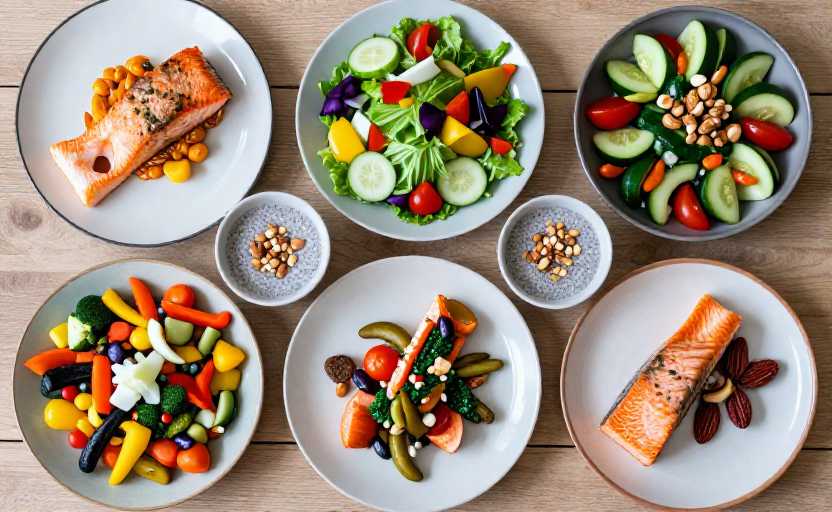
Two years ago, my cousin's physical examination showed that his fasting blood sugar was 7.2, which was in the early stage of diabetes. On the day he got the result, he threw away all the honey and cakes at home, and only ate half a bowl of rice at each meal. He had to carry it even though his eyes were so hungry. But half a month later, when he went to check his blood sugar two hours after a meal, it soared to 11.2, which made people stupid. Later, when I asked a nutritionist I knew well, I found out that he would eat three "sugar-free soda crackers" every day when he was so hungry. They were made of wheat flour and butter. They didn't add sucrose, but the carbohydrates were as fast as half a bowl of rice. The rate of raising blood sugar was more stable than that of white sugar. I later took a test with my neighbor's aunt. She pricked her finger half an hour after eating three sugar-free soda crackers, and her blood sugar directly rose by 3.2mmol/L. Don't underestimate these pitfalls in the name of "sugar-free".
Have you ever heard that high blood sugar means you have to completely stop eating staple foods? There are two factions arguing fiercely on the Internet. One faction is the mainstream view of endocrinology departments in public hospitals. It is believed that there is no need to completely cut off carbohydrates. Eat 3-4g of complex carbohydrates per kilogram of body weight every day, such as mixed beans, oats, and brown rice. Slowly raising blood sugar can also ensure basal metabolism and avoid excessive ketone body damage to the kidneys. ; The other group is a low-carb diet advocate who believes that daily carbohydrates should be reduced to less than 100g or even 50g, allowing the body to switch to fat energy supply mode, without relying on insulin to lower blood sugar, and the sugar control effect will be more obvious. There are successful examples of both methods around me. A friend in his early 30s who had no underlying disease and was in the pre-diabetic stage tried low-carb diet for 3 months, and his fasting blood sugar dropped from 7 to 5.8. However, my old man with gout found that his uric acid spiked after trying it for half a month, and he was in so much pain that he couldn't get out of bed. It really is not suitable for everyone, so don't follow the trend blindly.
Oh, by the way, there is another taboo that many people ignore, which is not to eat overcooked food or thickened vegetables. My dad was diagnosed with high blood sugar during his physical examination last year. The night before he was tested for glucose tolerance, he was greedy and ate a plate of meatloaf, which was thickened with thick starch. The next day, his fasting blood sugar was 0.8 higher than what was measured half a month ago, so the doctor scolded him. There is also the kind of white porridge that has been simmered for an hour or two, and the starch has gelatinized. After drinking it, the blood sugar will rise faster than drinking cola. Don't believe the saying "drinking porridge to nourish the stomach". For people with high blood sugar, it is just a bowl of sugar water.
Don’t make your diet look like you’re in jail. I was chatting with a nutritionist before, and he said that in his group of diabetes friends, many people have been controlling their sugar for three to five years. They will also eat a small milk bar in the summer and a quarter of a moon cake during the Mid-Autumn Festival. You just need to find out your tolerance level. For example, if you want to eat something sweet, choose the smallest portion. Don’t eat it with high-carbohydrate foods like rice or milk tea. Chew slowly and walk for 20 minutes after eating. Your blood sugar will basically not fluctuate much. It is much better than if you can’t help but secretly eat an entire cake for half a month.
By the way, there is also wine. Don’t think that you can drink wine casually without sugar. Whether it is liquor or beer, it will disrupt the output of liver glycogen. Either you will have low blood sugar after drinking it and then rebound even higher, or you can eat it with barbecue or peanuts, which will directly exceed the standard of calories and make insulin resistance more serious. If you can, try not to drink it. If you really want to drink it, choose dry wine. It’s fun to have one or two sips.
Many people I have met who have successfully controlled sugar do not keep their dietary schedules tight. After all, controlling sugar is a lifelong matter. Instead of suffering with the mentality that you can’t eat this or touch that, it is better to buy a blood glucose meter and test what you have eaten if you are not sure. It will help you understand your body’s temperament, which is more effective than a hundred taboos on the Internet. After all, if you are in a good mood, your blood sugar will also stabilize.
Disclaimer:
1. This article is sourced from the Internet. All content represents the author's personal views only and does not reflect the stance of this website. The author shall be solely responsible for the content.
2. Part of the content on this website is compiled from the Internet. This website shall not be liable for any civil disputes, administrative penalties, or other losses arising from improper reprinting or citation.
3. If there is any infringing content or inappropriate material, please contact us to remove it immediately. Contact us at: