
Diet taboos for skin diseases
Give priority to avoiding foods that are clearly known to trigger allergies. During an attack, reduce the intake of high-histamine, high-sugar, and highly irritating foods as appropriate. Do not blindly copy the "list of foods" on the Internet.
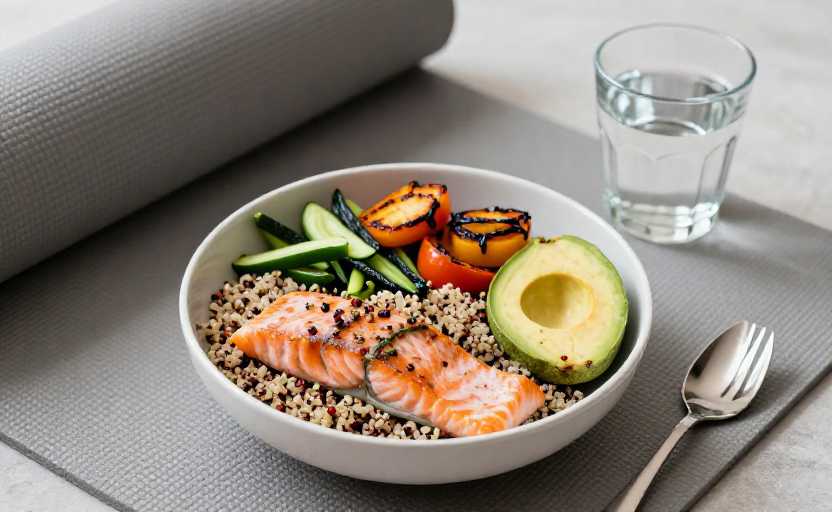
Speaking of which, I just encountered a typical example in the outpatient clinic last week. A girl in her early twenties had suffered from chronic eczema for more than half a year. I heard from netizens that she should avoid milk, eggs, and seafood. She even dared to eat lean pork, and she only dared to eat cabbage and winter melon as vegetables. When she came for a follow-up visit, Her face was as yellow as a vegetable leaf that had not been exposed to the sun. After a test of her allergens, it was found that she was not allergic to eggs, milk, or seafood. Instead, she was allergic to dust mites and pollen. She had been completely allergic to it for the past six months, and her immunity had been weakened. Her eczema kept coming back and forth.
At this point, I have to mention the most frequently asked question about the "hair product" controversy. This is also a point of disagreement in the field of dermatology all the year round. Traditional Chinese medicine often talks about hair-raising foods. In fact, they are never fixed types of food, but are strongly bound to your disease syndrome and constitution: if you are suffering from acute dermatitis and your face is red, swollen and draining, it is a heat syndrome. If you eat warm and dry foods such as mutton, lychee, and soju, it will definitely aggravate it. ; But if you have a cold constitution that is always afraid of the cold and gets hives when the cold wind blows, occasionally eating mutton stew can help warm the yang, and there will be no problem at all. The view of modern evidence-based dermatology is more "evidence-based": Unless you have done an allergen test and it is clear that you are allergic to a certain type of food, or your rash has become significantly worse and the itching has become more severe after eating a certain food two or three times in a row, there is no need to deliberately avoid food. Both statements are actually reasonable, but the logic of judgment is different. They can be combined for reference. There is no need to argue about right or wrong.
Of course, this does not mean that there are no points that require general attention. Especially during acute attacks of skin diseases, the blood vessel permeability of the skin is high and inflammatory factors are active. Try to avoid foods with high histamine content, such as unripe mangoes, pineapples, fresh bamboo shoots, pickles that have not been marinated for enough time, and stale seafood. The histamine in these foods will aggravate the dilation of blood vessels. What is originally just a small red rash may become swollen into a whole piece after eating. I once had a patient with rosacea, which had been stable for almost two months. He ate three large rosacea in one meal. The next day, his face was swollen like a steamed bun, and he could hardly open his eyes. When he came for a follow-up visit, he couldn't laugh or cry. There are also high-sugar and high-fat foods, such as full-sugar milk tea, cream cakes, and fried skewers, which will increase the body's inflammation level. Whether it is acne, seborrheic dermatitis, or eczema, eating too much will slow down the recovery. This is supported by clear clinical research. No matter what your physique is, it is always right to eat as little as possible during an attack.
Another pitfall that everyone easily falls into is taking "other people's taboos" as their own rules. I have seen too many people. I heard others say that eating seafood will aggravate eczema, and I dare not even touch shrimp. In fact, the Omega3 in sea fish has anti-inflammatory effects. If you don’t have any reaction after eating it, eating it once or twice a week is absolutely fine. It can actually help your recovery. There are also ingredients such as coriander, leeks, and mushrooms that are often included in the blacklist of hair products. They are really more unfair than Dou E. Unless you really get itchy and rash after eating them, there will be no problem at all with coriander and mushroom noodles. I had allergic urticaria when I was a child, and my mother wouldn’t even let me put cilantro in the soup. Later, when I grew up, I checked my allergens and found that I am not allergic to this kind of food at all. Now I enjoy eating cold cilantro in the summer without seeing a recurrence of the rash.
The advice I usually give to patients in the outpatient clinic is never to make a long list of taboos, but to ask them to go back and keep a food diary. If they ate something that they did not often eat before on that day, write it down if the rash worsens significantly on that day or the next day. If it happens two or three times in a row, try to avoid it in the future. Otherwise, eat whatever you want. After all, malnutrition caused by long-term taboos will weaken immunity and make skin diseases heal more slowly, which is totally not worth the gain.
To put it bluntly, dietary taboos for skin diseases are never rigid rules engraved on stone tablets. Your own body's reaction is the most accurate criterion. Don’t just check off the list on the Internet. Pay more attention to what you feel comfortable eating and what you feel uncomfortable eating. This is more reliable than listening to the experiences of strangers.
Disclaimer:
1. This article is sourced from the Internet. All content represents the author's personal views only and does not reflect the stance of this website. The author shall be solely responsible for the content.
2. Part of the content on this website is compiled from the Internet. This website shall not be liable for any civil disputes, administrative penalties, or other losses arising from improper reprinting or citation.
3. If there is any infringing content or inappropriate material, please contact us to remove it immediately. Contact us at: