
Diet taboos for acute enteritis
Don’t touch foods that will increase intestinal burden, irritate damaged intestinal mucosa, increase intestinal osmotic pressure and induce diarrhea. All the taboos you have heard essentially revolve around this core.
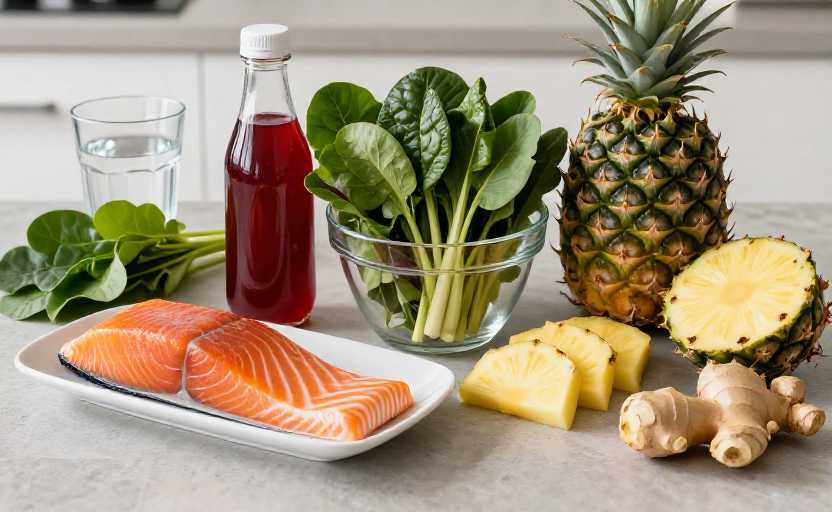
Last week, I picked up a 19-year-old boy on the night shift. He had just received an infusion at the outpatient clinic in the afternoon to stop diarrhea. In the evening, I went to drink cold beer with my friends. At two o'clock in the morning, I squatted at the entrance of the emergency room holding my stomach and couldn't stand up. When I came in, my pants were half wet. When I asked, I thought "I have an empty stomach and I need to replenish it." I have been in the Department of Gastroenterology for 5 years and have seen as many as 800 cases of this kind of "just do it at the first moment".
The first pitfall that many people fall into is overfilling. The elders always feel that they have to stew an old hen or make a large bone soup to replenish their body when they have diarrhea and diarrhea. It is really unnecessary. If you think about it, the intestinal mucosa during an attack is like an inner wall that has been rubbed with sandpaper. It is red and swollen. The layer of oil floating in the thick broth and the large amount of dissolved purine and protein are overloaded hard bones for the current intestinal tract. It cannot be digested at all. Instead, it will ferment and produce gas in the intestine, making you frown. Oh, by the way, there is another controversial point here. There is indeed a folk custom in some places that "drink chicken soup to replenish qi and blood for diarrhea." We cannot say that it is completely wrong. If you have entered the recovery period for more than 3 days, and your stool is fully formed and you are not bloated, it is okay to drink some clear chicken soup with the oil removed. You really should not touch it in the first 3 days of the attack.
Half of the people who suffer from enteritis in summer are "greedy for coolness". As soon as the diarrhea stops, iced watermelon, iced milk tea, and iced Coke are served in turn. It is called "cooling down and relieving stomach pain." However, cold things will directly stimulate intestinal spasms. When the diarrhea that has just been stopped is iced, the intestinal peristalsis will directly double, and the intestinal mucosa that has just grown a little will be pulled painfully, and the diarrhea will become more violent. The most exaggerated little girl I have ever seen. She ate half an ice durian for just one day and was hospitalized for electrolyte imbalance.
There are also many taboos that people tend to overlook, such as high-fiber and high-sugar foods. Don’t think that a vegetarian diet is safe. Celery, leeks, dragon fruit, and kiwi fruit, which are good at relieving constipation, act as “laxatives” during the attack. The rough and hard dietary fiber will repeatedly rub the damaged intestinal wall, causing bleeding in the areas that should be repaired. There are also honey, milk tea, and sports drinks that add a lot of sugar. Too high a sugar concentration will cause the osmotic pressure in the intestinal cavity to soar. It is like putting a bunch of water-absorbing balls into the intestines. All the water will flow into the intestinal cavity, and the stool that was originally drying will turn into watery water. This is what is clinically called osmotic diarrhea. Many people have diarrhea for several days and it is not good. When asked, they secretly drink sweet drinks. Oh, by the way, there is also milk. This is also a controversial point. Not everyone cannot drink it. If you are lactose intolerant when you usually drink milk, you must not drink it during the attack. If you drink it normally, try to choose lactose-free Shuhua milk or room temperature yogurt. It is best not to touch iced pure milk. Many people tolerate it normally. During the attack, they will have a short-term lactase deficiency and cause diarrhea after drinking it.
There are also many people who believe that "eating garlic to kill diarrhea" has evidence for both sides. Those who support it say that allicin in garlic can inhibit the reproduction of harmful bacteria. However, from clinical practice, raw garlic is too irritating. The intestinal mucosa that is already congested and edematous is irritated by allicin, and it hurts so much that it causes cold sweats.
I usually prescribe dietary precautions to discharged patients. I never make a long list, but give a rough timeline: eat plain porridge and vegetarian noodles in the first 24 hours, sprinkle less salt to replenish sodium, and don’t add any other pickles, pickles, or meat floss, just eat light food.; If there is no diarrhea or pain after 24 hours, you can add a soft boiled steamed egg or boiled green vegetables. ; Wait for the stool to be completely formed for more than 2 days, then slowly add proteins such as lean meat and chicken. Do not touch spicy, iced or oily foods within a week, and there will basically be no recurrence.
In fact, there are really not so many black-and-white taboos. Everyone’s intestinal temperament is different. Some people can eat a boiled egg as soon as they stop diarrhea, and some people can have diarrhea even if they drink warm milk. The core thing is to feel the reaction of your stomach when you eat. If you don’t feel pain, bloating, or diarrhea after eating, then try eating less. If you feel gurgling or dull pain after eating, stop immediately. Don’t fight with your stomach. It’s better than anything else.
Disclaimer:
1. This article is sourced from the Internet. All content represents the author's personal views only and does not reflect the stance of this website. The author shall be solely responsible for the content.
2. Part of the content on this website is compiled from the Internet. This website shall not be liable for any civil disputes, administrative penalties, or other losses arising from improper reprinting or citation.
3. If there is any infringing content or inappropriate material, please contact us to remove it immediately. Contact us at:
