
Heart disease prevention knowledge
More than 90% of common ischemic heart diseases such as coronary heart disease and myocardial infarction are preventable. As long as you do three things - control the three core indicators of blood pressure, blood sugar, and blood lipids within a reasonable range for a long time, avoid acute trigger minefields such as staying up late, overeating, and violent mood swings, and conduct targeted regular screening based on your age and family history, you can reduce the risk of the disease by at least 80%.
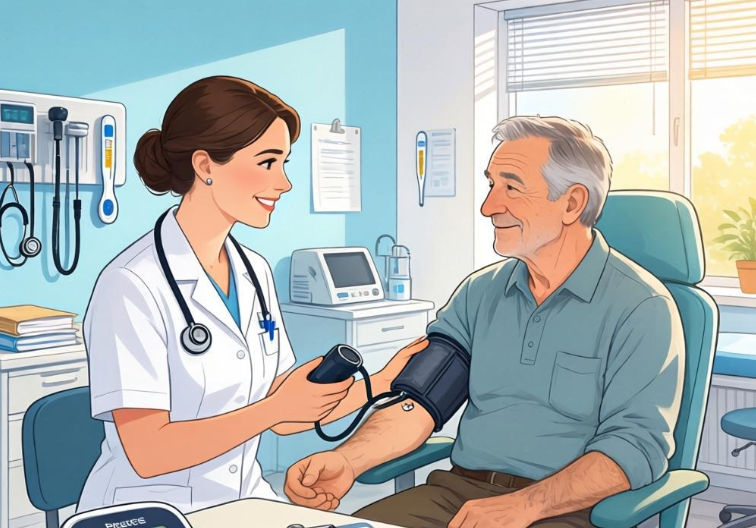
When I was doing a charity clinic in Nanshan Science and Technology Park last month, I met a 36-year-old back-end developer with coffee stains on his cuffs. His blood pressure was measured at 148/96. After asking him, I found out that his blood pressure had been drifting for almost two years. I thought I was young and could handle it, so I never took it seriously. It was normal to stay up until two or three o'clock every day, and he had at least two cups of milk tea a day. I advised him to take time to do a blood lipid and carotid artery ultrasound. He waved his hand and said that he was busy with the project launch and would talk about it later when he had time. As a result, last week I heard from their company's human resources officer that he suddenly suffered chest pains and fell to the ground while staying up late to catch up on the version. He was taken to the emergency room and had a stent inserted, and he is still hospitalized.
Don’t think that this kind of thing only happens to young people who stay up late and work overtime. Two years ago, I met a 62-year-old aunt who danced square dances every day and ate light food. She was diagnosed with high blood pressure for five or six years and refused to take medicine. She always felt that "the medicine is three parts poisonous" and she could suppress it with diet therapy. As a result, I went out to buy groceries early in the winter and was hit by a cold wind. I fainted on the spot at the vegetable market. I was sent here to be diagnosed as acute myocardial infarction combined with cerebral infarction. After I was rescued, half of my body was in bad condition. Now I can't even dance in the square.
The first question many people ask when they come to the clinic is: Should I take aspirin daily to prevent heart disease? There is really no standard answer to this. A few years ago, European and American guidelines recommended that middle-aged and elderly people with a 10-year cardiovascular risk exceeding 10% take it regularly at low doses. The updated version in the past two years has added restrictions, requiring that the risk of gastrointestinal bleeding and cerebral hemorrhage must be assessed first, and the benefits must be confirmed to outweigh the risks before eating. Domestic consensus is more cautious. If you have not been diagnosed with atherosclerotic diseases such as coronary heart disease and cerebral infarction, you really should not buy and eat it by yourself. I have seen several patients who ate aspirin and suffered gastric bleeding. The gain was not worth the loss.
Let’s talk about some trivia that most people haven’t noticed: Poor oral hygiene can also increase the risk of heart disease. Last year, I admitted a 28-year-old young man with no underlying disease. He just had periodontitis for five or six years. Half of his teeth were rotten and he never wanted to go to the dentist. Later, he had a fever for a week and was accompanied by chest pain. He was diagnosed with infective endocarditis and had vegetation on his heart valves. He almost had to have an operation to replace the valves. To put it bluntly, periodontal pathogenic bacteria travel along the blood circulation to the heart, and a good dental disease can turn into a heart disease. Do you think it is unfair or not?
Many people think that since I usually eat lightly and exercise, there will definitely be no problem? Not really sure. An old patient came to me for a follow-up consultation before and said that he ate boiled vegetables every day and did not dare to add too much salt. Why could his blood lipids still not be lowered? After asking about the details of his diet for a long time, I discovered that he puts four or five red dates and longans in the porridge every morning, and the side dish that goes with the porridge is two pieces of fermented bean curd. Don’t underestimate these invisible sugars and salts. The salt content of two pieces of fermented bean curd accounts for almost one-third of the recommended daily intake. The blood sugar-raising effect of a few red dates is no worse than that of a small bowl of rice. There are also those "sugar-free" eight-treasure porridge and oatmeal sold on the market that secretly add syrup that exceeds the limit. These are all things you didn't notice.
Oh, by the way, there is also the saying that "a glass of red wine a day softens blood vessels" that has been passed down for many years is still debated in academic circles. Those who support it say that resveratrol in red wine can fight oxidation and lower blood lipids, but to reach the effective dose, you have to drink more than a dozen bottles of red wine every day. On the contrary, the risks of liver damage and increased blood pressure caused by alcohol intake have long outweighed the minimal benefits. The advice of our clinicians has always been: if you can, try not to drink it. If you really want to fight oxidation, eating two more bites of fresh grapes is better than anything else.
What impressed me the most was an emergency patient admitted during the Chinese New Year last year. The 58-year-old uncle usually had good control of his indicators. It was because his child did not come home during the Spring Festival that he had a fight with his wife. He was so excited that his chest hurt like a tear. He was sent over to be checked for aortic dissection. The mortality rate of this disease is higher than that of myocardial infarction. The sudden surge in blood pressure tore the lining of the blood vessel and almost failed to save him. In fact, it’s not just rage, long-term anxiety, stress, and the kind of quick temper that strives to be first in everything, which is what we call “Type A personality.” The probability of heart problems is more than twice as high as that of people with a peaceful personality.
I have been a cardiologist for almost 15 years, and I have seen too many tragedies that could have been avoided. To be honest, the heart is a particularly "honest" organ. Every time you stay up late, every time you get sulky, every time you are too lazy to take antihypertensive drugs, it will be remembered by you. There is no need to buy heart-protecting health care products that cost thousands of dollars, and there is no need to engage in any special health regimen. Pay more attention to the signals given by the body and do nothing else.
Disclaimer:
1. This article is sourced from the Internet. All content represents the author's personal views only and does not reflect the stance of this website. The author shall be solely responsible for the content.
2. Part of the content on this website is compiled from the Internet. This website shall not be liable for any civil disputes, administrative penalties, or other losses arising from improper reprinting or citation.
3. If there is any infringing content or inappropriate material, please contact us to remove it immediately. Contact us at: