
Diet taboos during pregnancy
There are only three categories of foods that need to be 100% strictly avoided throughout pregnancy - undercooked raw/semi-raw animal foods, unpasteurized dairy products, and any alcoholic beverages. In addition, most of the "can't eat" things posted on the Internet are either based on personal differences or pure rumors. There is no need to seal your mouth tightly as soon as you get parallel bars on the test, and you don't even dare to touch your favorite milk tea.
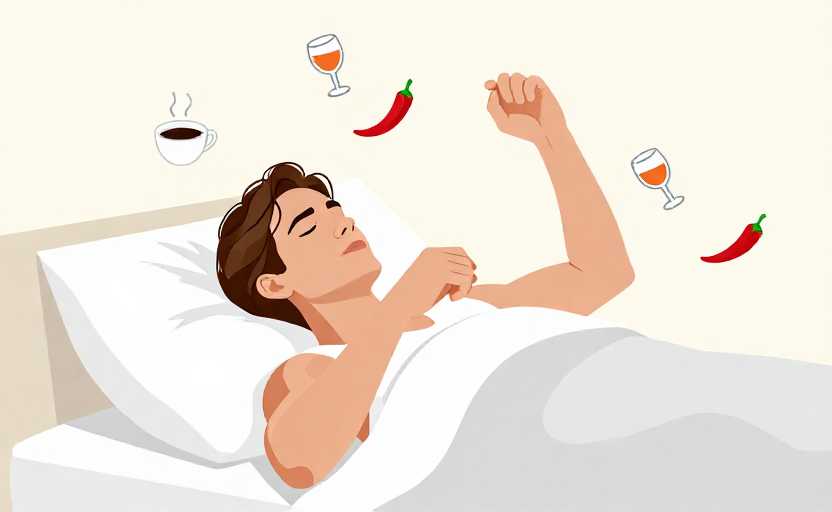
Let me first talk about the three red lines that cannot be touched. This is really not an alarmist statement. Last time I went to eat Japanese food with my best friend who was 3 months pregnant. She stared at the raw egg dipping sauce in the sukiyaki and swallowed her saliva, so I moved it away for her. I'm not being harsh, but these undercooked eggs are likely to carry salmonella. Ordinary people may have diarrhea for two days after eating them. Pregnant women have low immunity. If they are infected, it may cause vomiting and diarrhea in mild cases, causing uterine contractions, or affect fetal development in severe cases. The same goes for raw pickled shrimps and crabs, medium-rare steaks, sashimi, and even tender beef that has just been blanched twice in a hot pot. Don't be too tender. It must be cooked until it is fully cooked to be safe. There are also fresh milk squeezed in rural areas and unlabeled handmade yogurt sold in small workshops, which are said to be "all natural and without additives". In fact, they have not been pasteurized, and the risk of pathogenic bacteria is ridiculously high. If you really want to drink fresh milk, go to the supermarket and choose regular brands of pasteurized milk, which is more reliable than anything else. As for alcohol, let alone alcohol. Whether it is white wine beer, fermented dumplings, stews with cooking wine, or even so-called "alcohol-free beer", as long as it contains alcohol, there is a potential risk of teratogenesis. Don't believe the saying "it will evaporate after cooking". A trace amount of alcohol will remain after stewing for a long time, so there is no need to take this risk.
After talking about the absolute taboos, let’s talk about the “semi-taboo” foods that everyone is most confused about, such as coffee and milk tea. In the past, older generations and even some old doctors would say you should never touch it. Now, in fact, both the American College of Obstetrics and Gynecology (ACOG) and my country’s Maternal and Child Nutrition Guidelines have clearly stated that it is safe to consume no more than 200mg of caffeine per day, which translates to about one medium cup of standard American coffee, or two small bags of instant coffee. It’s perfectly fine to drink a cup if you’re craving. But a reminder, I read a third-party review a while ago and found that a cup of ordinary milk tea from a certain Internet celebrity brand has more than 300 mg of caffeine, which is higher than two cups of American milk tea. If your heart beats fast and you can't sleep after drinking it, don't drink it even if it doesn't exceed the limit. After all, everyone's tolerance is different, so there is no need to force it.
There are also those "cold" and "hot" foods that the elderly often talk about, such as crabs, watermelons, lychees, and mangoes. In fact, the views of traditional Chinese medicine and Western medicine are different here, and there is no absolute right or wrong. There is no such thing as "cold and cold causing teratogenesis" in Western medicine. As long as you are not allergic to eating crabs, wash them and steam them thoroughly, and eat one or two, it will be fine. My colleague ate iced watermelon every day during the summer when she was pregnant last year, and the baby was born healthy, with no jaundice at all. But what Chinese medicine says is not entirely unreasonable. If you have a weak spleen and stomach, and you usually have diarrhea when you eat something cold, you should really eat less of these foods during pregnancy. After all, frequent diarrhea and uterine contractions are troublesome. There are also high-sugar foods like lychees and mangoes. If your blood sugar is normal, you can eat three to five at a time. If you are diagnosed with gestational diabetes, you must keep your mouth shut. This is not a "taboo", it is just an adjustment based on your own physical condition.
As for those outrageous rumors that have been circulating for decades, I just can’t help but make a few comments about them. Children who eat rabbit meat develop cleft lips, children who eat mutton get epilepsy, and children who eat soy sauce have dark skin. To be honest, I find it funny every time I hear it. When my sister-in-law was pregnant, she loved to eat noodles mixed with soy sauce. Her baby is now as white as a small glutinous rice dumpling. When she goes out, people ask if she has powdered her face. Harelips are caused by factors such as genes and early pregnancy viral infection, and have nothing to do with the half cent of rabbit meat. If you grow what you eat, wouldn't it mean that if you eat pork every day, you will grow a pig's nose?
I have met many pregnant mothers who were forced by their families to take supplements such as bird's nest, donkey-hide gelatin, and ginseng when they were pregnant. In fact, as long as you eat a balanced diet and are not picky about food, the daily meat, eggs, milk, vegetables, and grains are completely nutritious. On the contrary, some supplements, such as donkey-hide gelatin, can activate blood circulation. If you eat too much in early pregnancy, you may risk bleeding. If you really want to supplement, it is better to eat two more bites of lean meat and drink a cup of pure milk, which is cost-effective and safe.
In fact, pregnancy is really not an illness, and you don’t have to feel like you’re in jail, not daring to eat this or touch that. The core thing is to remember the three red lines that must not be touched. As long as you eat normally, there is nothing wrong with it. It is okay to eat in moderation. If you are really worried, it is better to eat one or two mouthfuls to satisfy your craving than to hold back your mood. After all, the baby in the belly can grow well if the pregnant mother is happy.
Disclaimer:
1. This article is sourced from the Internet. All content represents the author's personal views only and does not reflect the stance of this website. The author shall be solely responsible for the content.
2. Part of the content on this website is compiled from the Internet. This website shall not be liable for any civil disputes, administrative penalties, or other losses arising from improper reprinting or citation.
3. If there is any infringing content or inappropriate material, please contact us to remove it immediately. Contact us at: