
Diet taboos after fracture
There are not so many sensational dietary prohibitions after a fracture. The only three categories that really need to be strictly avoided are alcoholism, an average daily intake of more than 300mg of caffeine (about more than 3 cups of American food), and long-term consumption of large quantities of unboiled high-oxalate foods. The rest of the so-called "cannot eat fat, cannot drink bone soup, and cannot touch soy sauce" are all misunderstandings without scientific basis.
I fractured my distal radius while skiing last winter. During the first few days after I put the plaster on, I was bombarded with WeChat messages. Some said I couldn’t eat beef, and some said I couldn’t touch seafood. My mother didn’t even cook braised dishes for me, saying that soy sauce would leave scars on the wound. Later, when I asked the senior sisters from the Department of Orthopedics and Nutrition, I found out that most of the rumors were just lies.
Let’s talk about the most important thing to control about alcohol first. Don’t listen to the nonsense about “drinking two sips to activate blood circulation”. Alcohol will directly inhibit the activity of osteoblasts. The callus that originally took 28 days to grow may take 40 days to disappear. The 62-year-old uncle who was in the same ward with me at the time suffered a fractured calf. My son Xiaoshun secretly brought him Erguotou and took two sips of it for dinner every day. As a result, the patient who was injured in the same batch was able to remove his plaster during the four-week review. He still had sparse bone callus during the X-ray, and he couldn't even lift his head after being trained by the doctor in charge. There is also a different research conclusion here: some nutrition journals mentioned that an occasional sip of low-alcohol wine (such as half a glass of red wine) will not have a significant impact on bone healing, but to be on the safe side, it is better not to touch the bone until the callus has completely grown, and you cannot take this risk.
As for coffee and strong tea that many people cannot live without every day, there is actually no need to give up completely. The current academic consensus is that caffeine intake should not exceed 300mg per day, which is about 2 medium cups of American style, or 2 cups of relatively lightly brewed black tea. It will not affect calcium absorption and bone healing. I am afraid that if you drink three or four cups of concentrated tea a day, or the tea is so bitter that it is astringent, excess theophylline and caffeine will indeed accelerate calcium loss and slow down recovery. At that time, I still drank a cup of hot latte every morning. Anyway, I didn't exceed the amount, and there were no problems when I checked again.
There are also high-oxalate foods that are listed on the fasting list by many people, such as spinach, amaranth, water spinach, etc. In fact, there is no need to completely avoid eating them, as long as you don’t eat a large plate in one meal and eat them raw. Oxalic acid will combine with calcium in the intestines to form calcium oxalate that cannot be absorbed. Eating too much will not only affect calcium absorption, but may also cause stones. I met an elder sister in the rehabilitation department before. After the fracture, she was afraid of calcium deficiency. She took calcium tablets every day, and also ate raw spinach mixed with salad. However, the blood calcium did not increase much after two months of reexamination. She also found kidney stones. The doctor said it was caused by excessive intake of oxalic acid. In fact, if these vegetables are blanched in boiling water for 1 minute in advance, more than 80% of the oxalic acid can be removed. Eat them when you need to, without delaying anything.
After talking about what you really need to pay attention to, let’s talk about the false taboos that have been passed down for decades. The first one is “you can’t eat fat.” Beef, mutton, seafood, and leeks are all classified as fat. It is said that eating them will cause inflammation of wounds and poor bone growth. In fact, this statement should be viewed separately. Foods in traditional Chinese medicine originally refer to foods that are easy to induce allergies and aggravate inflammatory reactions. If you are allergic to seafood, beef and mutton, or the wound is still swollen three days before the operation, you should eat less spicy food to avoid aggravating the swelling. However, if you are not allergic and the wound has almost recovered, these high-protein foods are a treasure for growing bones. I ate roasted leg of lamb as the first meal after the cast was removed. During the reexamination, my bone density was higher than before the fracture. The doctor praised me for doing the correct job.
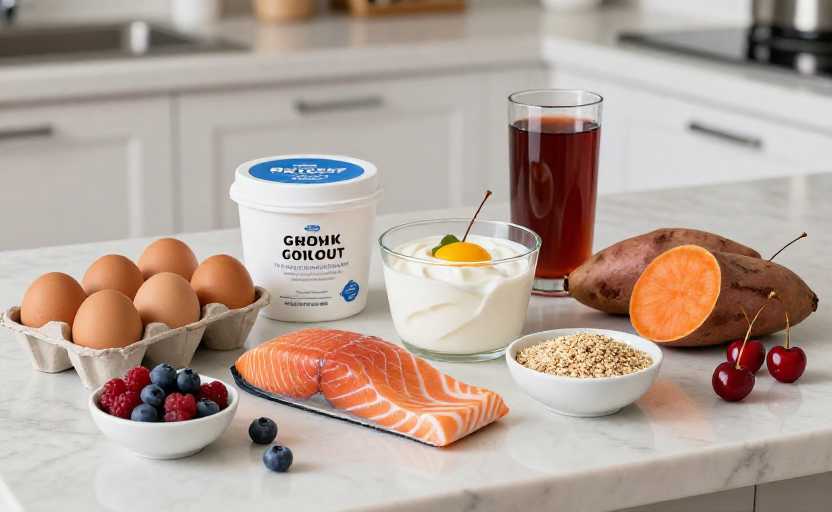
And that big bone soup that every household loves to stew, really don’t drink it every day. My mother stewed bone soup for me for half a month, and it was so milky white that it looked like a supplement. In fact, 90% of it was fat, and the calcium content was pitiful. Drinking 10 bowls of bone soup could not supplement the calcium as much as a cup of 200ml pure milk. I gained 6 pounds in half a month. During the reexamination, the doctor said that my blood lipids would be high if I continued to drink. Later, I changed to two boxes of pure milk, one egg, and a handful of nuts every day, but my recovery was much faster.
In fact, after all is said and done, there really aren’t that many restrictions on diet after a fracture. The core is nutritional balance, with enough protein, calcium, and vitamin D. There is no need to eat this or touch that. If you are really unsure, just ask your bedside doctor directly. Don’t listen to the square-dancing aunt downstairs giving you blind advice. I secretly ate spicy hot pot several times at that time, and didn’t I recover well? To put it bluntly, a good mood is also the key to recovery.
Disclaimer:
1. This article is sourced from the Internet. All content represents the author's personal views only and does not reflect the stance of this website. The author shall be solely responsible for the content.
2. Part of the content on this website is compiled from the Internet. This website shall not be liable for any civil disputes, administrative penalties, or other losses arising from improper reprinting or citation.
3. If there is any infringing content or inappropriate material, please contact us to remove it immediately. Contact us at: