
Diet taboos after cardiac stent surgery
A long-term unhealthy diet high in salt, oil, and sugar, a large amount of high-fat, irritating foods in a short period of time, and excessive consumption of foods that clearly conflict with the cardiovascular drugs you are taking. "You can't eat red meat," "you can't eat eggs," and "you can't touch green leafy vegetables" that are widely circulated on the Internet are all misunderstandings, and there is no need to follow them one-size-fits-all.
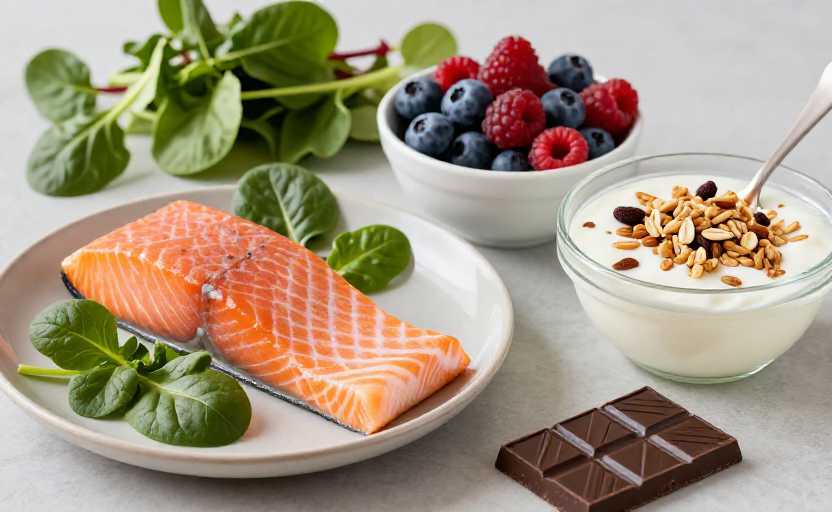
Let me first talk about the question that everyone is most concerned about: "Can I eat meat?" I am asked at least ten times every time I go to the clinic. The academic community has not come to a completely unified conclusion on this matter: Traditional cardiovascular guidelines have always recommended strict control of saturated fat intake, cooking oil should not exceed 25g per day, and red meat such as pork, beef, and mutton should be eaten no more than three times a week, each time only a piece of palm-sized and finger-thick. ; However, in recent years, many new studies have pointed out that the relationship between unprocessed natural red meat and animal butter and the recurrence of cardiovascular events is much lower than that of processed meat products such as bacon, sausage, and luncheon meat. The two sides have been arguing for several years, but there is a consensus that everyone agrees on: processed meat products, fat meat, and old soups made with animal oil should be used as little as possible. These will really increase blood lipids. I have an old patient who has had a stent for almost five years. He is a meat-eater. Now he eats two ounces of lean beef at home every week. His blood lipids are more stable than those patients who only dare to eat vegetables every day. The secret is that except for this beef meal, he basically does not eat red meat the rest of the day, and he never touches the braised meat or sausage sold outside.
Oh, by the way, don’t think that everything will be fine if you don’t eat meat. Many people tend to fall into the trap of invisible salt. Last time, an aunt came for a review and said that she didn’t add any salt in her cooking. Why was her blood pressure still so high? After questioning her for a long time, she found out that she needed two spoons of soybean paste for every meal. Calculated, her daily salt intake was almost 10g, which was double the recommended amount. We often say that salt should not exceed 5g per day, which is about the amount of a beer bottle cap. This also includes the invisible salt in soy sauce, oyster sauce, pickles, takeaways, and processed snacks. It is more difficult to calculate than you think. Of course, not everyone needs to be stuck on the 5g line. For some elderly patients who have low sodium levels all year round, doctors will specifically advise them to eat more salt. Don’t impose rigid standards. The advice of your own attending doctor is the most accurate.
What many people don’t know is that what’s more dangerous than being in trouble with your diet is the “fight” between what you eat and medications. Patients who are taking statin lipid-lowering drugs should not eat a lot of grapefruit (that is, grapefruit) or drink grapefruit juice. This is true - the furanocoumarins in grapefruit will affect the liver's enzymes that metabolize statins, which is equivalent to a flat increase in blood drug concentration and easily increases the risk of side effects. But there’s no need to overdo it. An aunt heard this reminder last time and didn’t even dare to touch oranges, oranges or grapefruits. It’s completely unnecessary. The furanocoumarins content in these citrus fruits is very low, so eating one or two a day is no problem at all. There are also a small number of patients who need to take warfarin for anticoagulation. Don’t listen to the rumors that they should not touch dark green vegetables such as spinach and broccoli. Just keep the intake of these vitamin K-rich foods stable. Don’t eat a pound of spinach today and not eat one bite for the next three days. Excessive fluctuations in intake will affect the efficacy of the medicine. It is perfectly fine to eat normally.
There are also some rumors that have been widely circulated that I need to clarify: those who say you can’t eat soy products are pure nonsense. Nowadays, guidelines recommend eating more soybeans to supplement plant protein, which is much better for blood vessels than red meat. As long as you don’t have gout, feel free to eat it.; Don't mess around with people who say they need a lot of supplements after surgery. I have seen too many patients who have just had stents put in for a week. Their families give them old hen soup and hoof soup every day, which are full of oil. The stomach and intestines are weak right after the operation, and blood lipids suddenly rise. Some people drink and have diarrhea and cause chest tightness.
As for the issue of drinking, it is now quite controversial. Some people are also saying that "drinking a small amount of red wine softens blood vessels," but the consensus among mainstream academic circles is that as long as alcohol is consumed, it will damage blood vessels, and there is no "beneficial" amount. Of course, there is no need to make it absolute. If you have never drank alcohol before, then don’t touch it. If you have been drinking for decades and you really can’t quit, the maximum amount of liquor per day should not exceed 1 tael, the beer should not exceed 300ml, and the red wine should not exceed 100ml. It is definitely the best if you can quit. The same goes for eggs. It used to be said that you should not eat more than one egg yolk a day. Now new research shows that patients with normal blood lipids can eat two a day. If your low-density lipoprotein is particularly high, then it is enough to control it within four egg yolks a week.
To put it bluntly, inserting a stent does not put a golden bell on your blood vessels, nor does it make you an ascetic. I have seen people who eat plain water and boiled vegetables every day and become malnourished and weak. I have also seen people who can't control their mouths and eat barbecue every day for half a year and get choked up. The key point is not to go to extremes. Don't eat too much and drink blood vessels, and don't dare to eat anything to make your body suffer. If you have diabetes, you should control more sugar, and if you have gout, you should avoid high-purine foods. Everyone's situation is different. If you are really unsure, take a photo of the things you often eat and ask the doctor during your next check-up. It is much more reliable than searching for those messy taboo lists on the Internet.
Disclaimer:
1. This article is sourced from the Internet. All content represents the author's personal views only and does not reflect the stance of this website. The author shall be solely responsible for the content.
2. Part of the content on this website is compiled from the Internet. This website shall not be liable for any civil disputes, administrative penalties, or other losses arising from improper reprinting or citation.
3. If there is any infringing content or inappropriate material, please contact us to remove it immediately. Contact us at: